

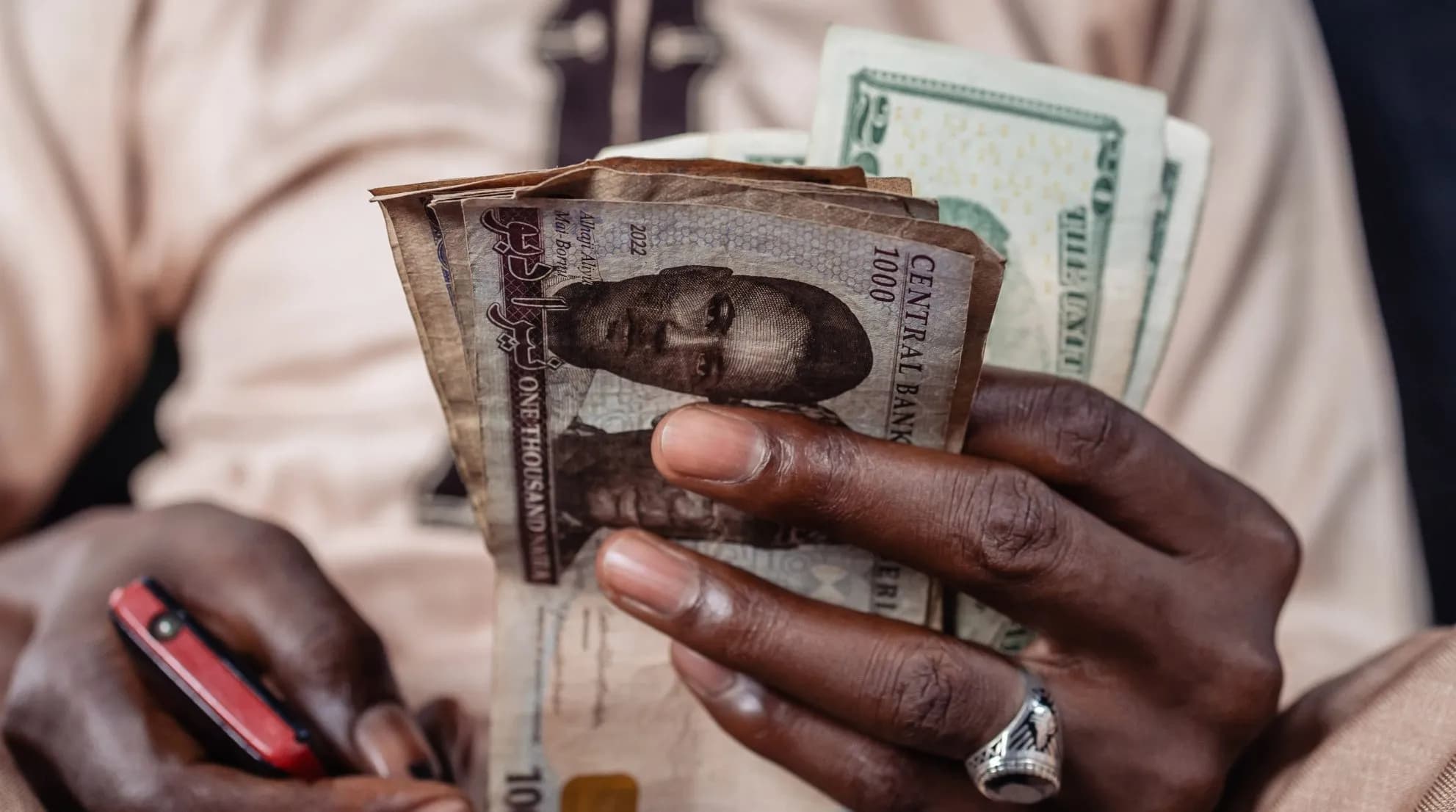
As of today Friday 18th April 2025, the Nigerian naira faces ongoing volatility against major currencies, driven by disparities between official and parallel market exchange rates and Nigeria’s oil-dependent economy. Here’s a concise, accurate breakdown of current rates and their ties to the nation’s oil and gas realities.
Official Exchange Rates (CBN)
The Central Bank of Nigeria (CBN) reports via the Nigerian Foreign Exchange Market (NAFEM):
- USD/NGN: ₦1,602.68
- GBP/NGN: ₦2,007.80
- EUR/NGN: ₦1,737.41
These rates, sourced from the CBN guide official transactions but are inaccessible to many Nigerians.
Parallel Market Rates
The parallel (black) market, driven by supply and demand, shows higher rates.
- USD/NGN: Buy ₦1,615, Sell ₦1,620
- GBP/NGN: Buy ₦2,075, Sell ₦2,115
- EUR/NGN: Buy ₦1,795, Sell ₦1,815
These rates, up to 5.3% above official ones, reflect restricted access to CBN channels, forcing reliance on unregulated traders.
Oil and Gas Impact
Nigeria’s oil sector, which funds over 80% of foreign exchange, shapes the naira’s value:
- Falling Production: Oil output dropped to 1.4 million bpd (OPEC, March 2025), reducing dollar inflows.
- Global Prices: Declining oil price forecasts (IEA, Goldman Sachs) threaten reserves
- Fuel Imports: Post-subsidy removal, costly fuel imports drain forex, widening the official-parallel rate gap.
Economic Context
With inflation at 24.23% (March 2025) and global tariff risks, the naira faces pressure. CBN interventions ($197.71 million, 4 April) have limited impact on the parallel market, where volatility persists.
Implications
- Living Costs: Parallel rates drive up prices of imported goods.
- Businesses: Importers face higher costs, squeezing margins.
- Investment: Currency risks deter foreign capital.
Expert View
“The naira’s woes are tied to oil reliance. Diversifying exports and easing forex access are critical,” says Dr. Chinedu Okonkwo, Lagos-based economist.