

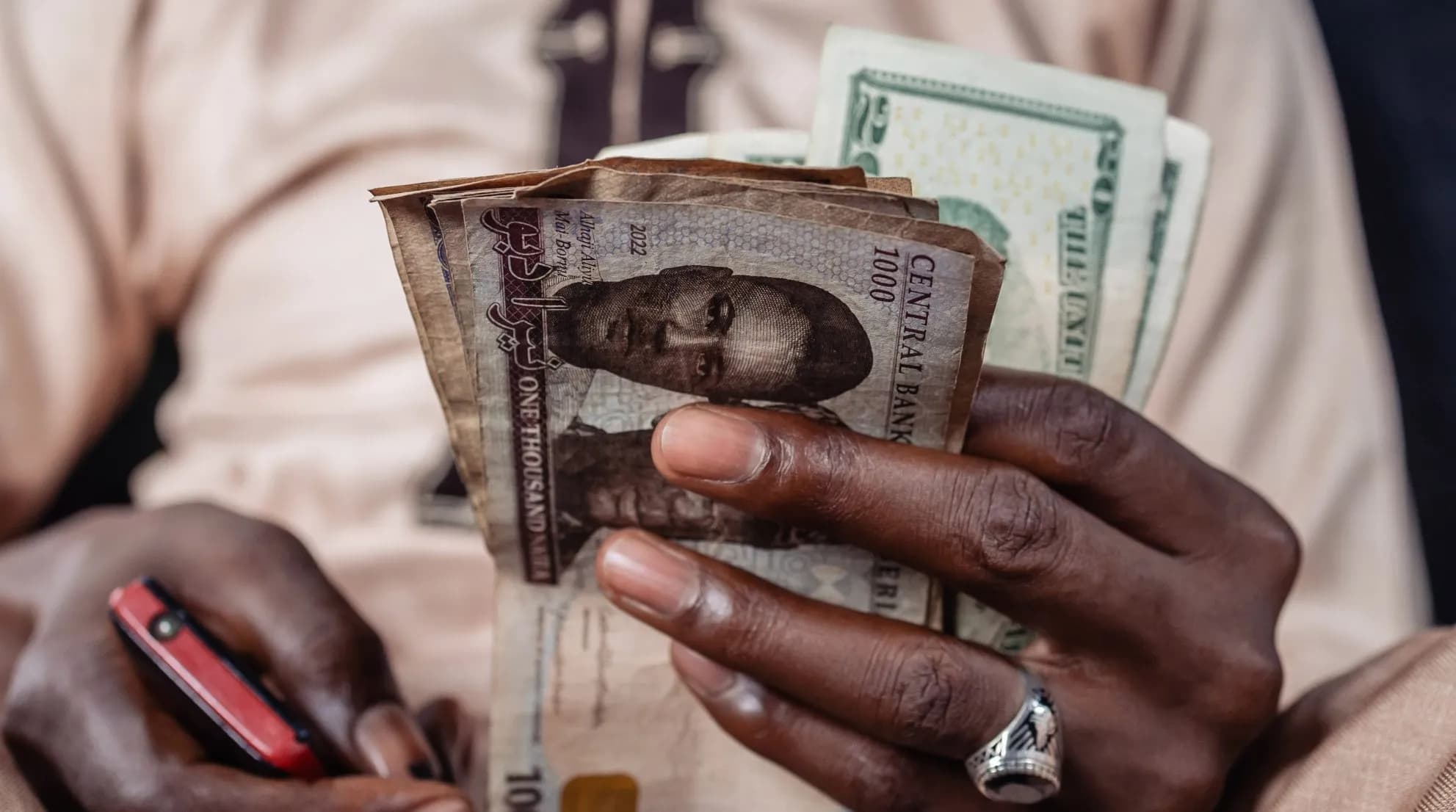
As at today Thursday 6th May 2025, It is accurate that parallel market exchange rates are typically higher than official rates in Nigeria. This disparity stems from unregulated trading, persistent demand for foreign currencies, and restricted access to formal forex channels. A previous error misrepresented this dynamic by reporting parallel market rates below official benchmarks—an uncommon and inconsistent occurrence in Nigeria’s forex system.
Official and Parallel Exchange Rates as of 6 May 2025
According to the Central Bank of Nigeria (CBN), the official exchange rates on 29 April 2025 were:
- USD/NGN: Buy – ₦1,598.71 | Sell – ₦1,599.71
- GBP/NGN: Buy – ₦2,144.50 | Sell – ₦2,145.85
- EUR/NGN: Buy – ₦1,822.64 | Sell – ₦1,823.82
These figures follow volatility earlier in April when the naira weakened to ₦1,600 per dollar, prompting a $197.71 million injection by the CBN. The naira traded within a band of ₦1,625 and ₦1,519 during that period.
In contrast, the parallel market exchange rates as of early May 2025 are:
- USD/NGN: Buy – ₦1,650 | Sell – ₦1,670
- GBP/NGN: Buy – ₦2,200 | Sell – ₦2,250
- EUR/NGN: Buy – ₦1,870 | Sell – ₦1,900
However, These figures reflect a consistent premium over official rates, aligning with historical norms in Nigeria’s parallel market exchange rates. Although the gap has narrowed slightly due to improved forex liquidity and oil sector reforms, the margin remains significant.
Oil and Gas Sector Update: Key Drivers Behind Forex Trends
Also, Nigeria’s oil and gas sector remains a cornerstone of its foreign exchange inflows. Developments influencing the parallel market exchange rates include:
1. Oil Production and Reserve Status
Nigeria’s foreign reserves rose to $23.11 billion by end-2024, bolstered by stronger oil output. Although Q1 2025 saw slight depletion due to debt repayments, Q2 projections suggest reserve growth amid rising exports.
2. Downstream Sector Deregulation
Full deregulation and the operational boost from Dangote Refinery have reduced petroleum product imports, easing forex demand and contributing marginal stability to the naira.
3. Impact of U.S. Tariffs
New tariffs under the Trump administration disrupted global oil flows, impacting Nigeria’s earnings. Aliko Dangote expressed confidence in the resilience of urea exports, but broader disruptions required additional dollar sales by the CBN to manage volatility.
4. Policy and Market Reforms
The introduction of the Electronic Foreign Exchange Matching System (EFEMS) in December 2024 has enhanced transparency. Efforts by the CBN, in collaboration with the Financial Market Dealers Association, are gradually closing the gap between official and parallel market exchange rates.
Economic Outlook and Implications
Furthermore, The naira’s value continues to reflect a fragile balance between monetary interventions and macroeconomic pressures. While CBN actions have stabilised the official market, the parallel market exchange rates highlight ongoing structural challenges in access and liquidity.
Analysts emphasise that despite the World Bank’s recognition of the naira as one of the most competitive in 20 years, hardship from previous devaluations lingers. Structural reforms, increased oil production, and forex transparency remain critical to aligning rates and restoring broader economic confidence.
As of 6 May 2025, the disparity between Nigeria’s official and parallel market exchange rates persists, underscoring the need for continued reforms. The oil and gas sector remains pivotal in influencing these dynamics, with deregulation and policy updates offering cautious optimism for exchange rate stability.
For verified exchange rate data, visit the Central Bank of Nigeria or consult authorised dealers.