

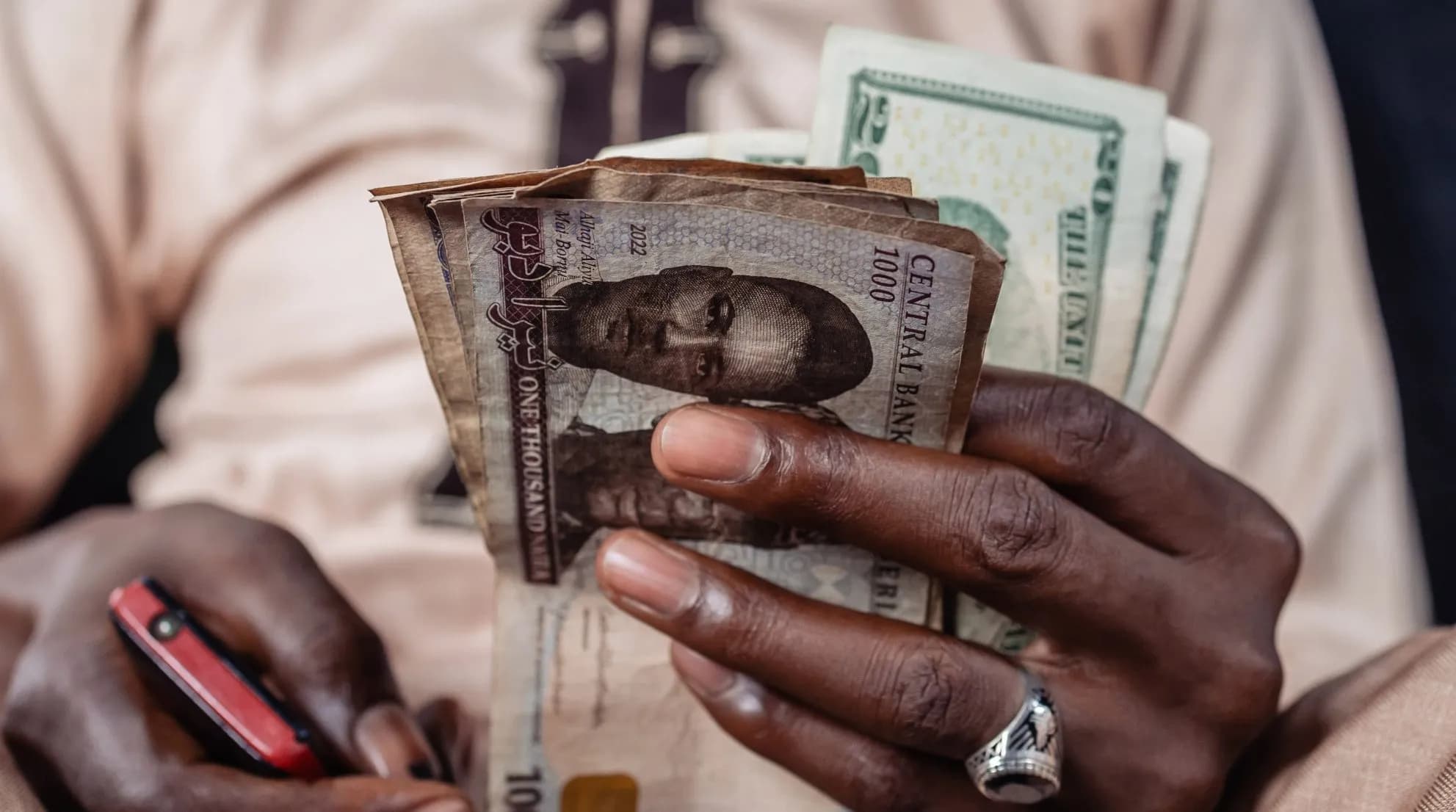
As at today Tuesday May 13, 2025, the Naira continues to navigate volatile waters as exchange rates today reflect disparities between the Central Bank of Nigeria (CBN) rates and the ever-active parallel market. The persistent dual exchange system underlines the ongoing pressures in Nigeria’s foreign exchange market, with oil and gas dynamics at the centre of this monetary tightrope.
Official CBN Exchange Rates Signal Fragile Stability
At 02:04 AM EDT on May 13, 2025, exchange rates today remained unchanged from the latest CBN update.
- USD/NGN: ₦1607.49
- GBP/NGN: ₦2136.18
- EUR/NGN: ₦1806.26
These figures, derived from the Nigerian Foreign Exchange Market (NFEM) framework, serve as volume-weighted averages. The absence of updated rates suggests either a maintained policy stance or an imminent shift.
Parallel Market Rates Reveal Underlying Currency Demand
- USD/NGN: Buy – ₦1630 | Sell – ₦1635
- GBP/NGN: Buy – ₦2150 | Sell – ₦2170
- EUR/NGN: Buy – ₦1820 | Sell – ₦1840
These figures place the black-market dollar rate at ₦27.51 higher than the official sell price, highlighting enduring scarcity in Nigeria’s formal FX channels. For many Nigerians, this discrepancy defines daily financial transactions, reinforcing reliance on informal sources.
Oil and Gas: The Lifeline with Limits
Nigeria’s oil and gas sector remains the primary driver of foreign exchange inflows. While Brent crude prices hit USD 84.05 per barrel in July 2024, as reported by FocusEconomics, geopolitical strains have since impacted market performance.
Global trade disruptions exacerbated by tariff tensions under the Trump administration have rattled investor confidence. On April 4, 2025, the CBN injected $197.71 million into the market to stabilise the Naira, following a sharp depreciation to ₦1600/$1.
The Naira had failed to appreciate against the dollar for the fifth time in a row. Oil linked strategies such as the “Naira for Crude” policy have yielded modest outcomes, unable to reverse the Naira’s vulnerability to external shocks.
Economic Pressures Persist Despite Reforms
Despite efforts at monetary tightening and fiscal reforms, inflation remains elevated. FocusEconomics pegged inflation at 33.4% in July 2024, largely driven by currency devaluation. While GDP grew at 3.2% year-on year in Q2 2024, foreign reserves have yet to rebound convincingly.
The CBN’s decision to pause interest rate hikes in February 2025 aimed to balance inflation with growth. However, Fitch Solutions notes that FX backlogs and weak reserves continue to strain investor sentiment.
Historical FX data from Wise underscores the Naira’s instability: peaking at ₦1738.74 per dollar in November 2024 and rebounding to ₦1490 in February 2025 before sliding again.
Dual Exchange Rates Define Daily Reality
The enduring gap between official and parallel rates reflects more than mere supply shortages. It signifies a systemic challenge, rooted in limited FX liquidity, market distrust, and speculative behaviour.
As of this morning, exchange rates today place the Naira at:
- Officially: ₦1607.49 (USD), ₦2136.18 (GBP), ₦1806.26 (EUR)
- Parallel Market: ₦1635 (USD), ₦2170 (GBP), ₦1840 (EUR)
While large-scale projects like the $25 billion Nigeria-Morocco Gas Pipeline offer long-term optimism, immediate relief remains distant
Volatility Defines Exchange Rates Today
The Naira’s fate remains intricately tied to global oil prices, monetary policies, and Nigeria’s structural economic challenges. As exchange rates today reveal, the Nigerian currency continues to tread a delicate path between central policy and market demand. For citizens and businesses alike, the dual-rate environment will persist until sustainable FX liquidity and investor trust are restored.