

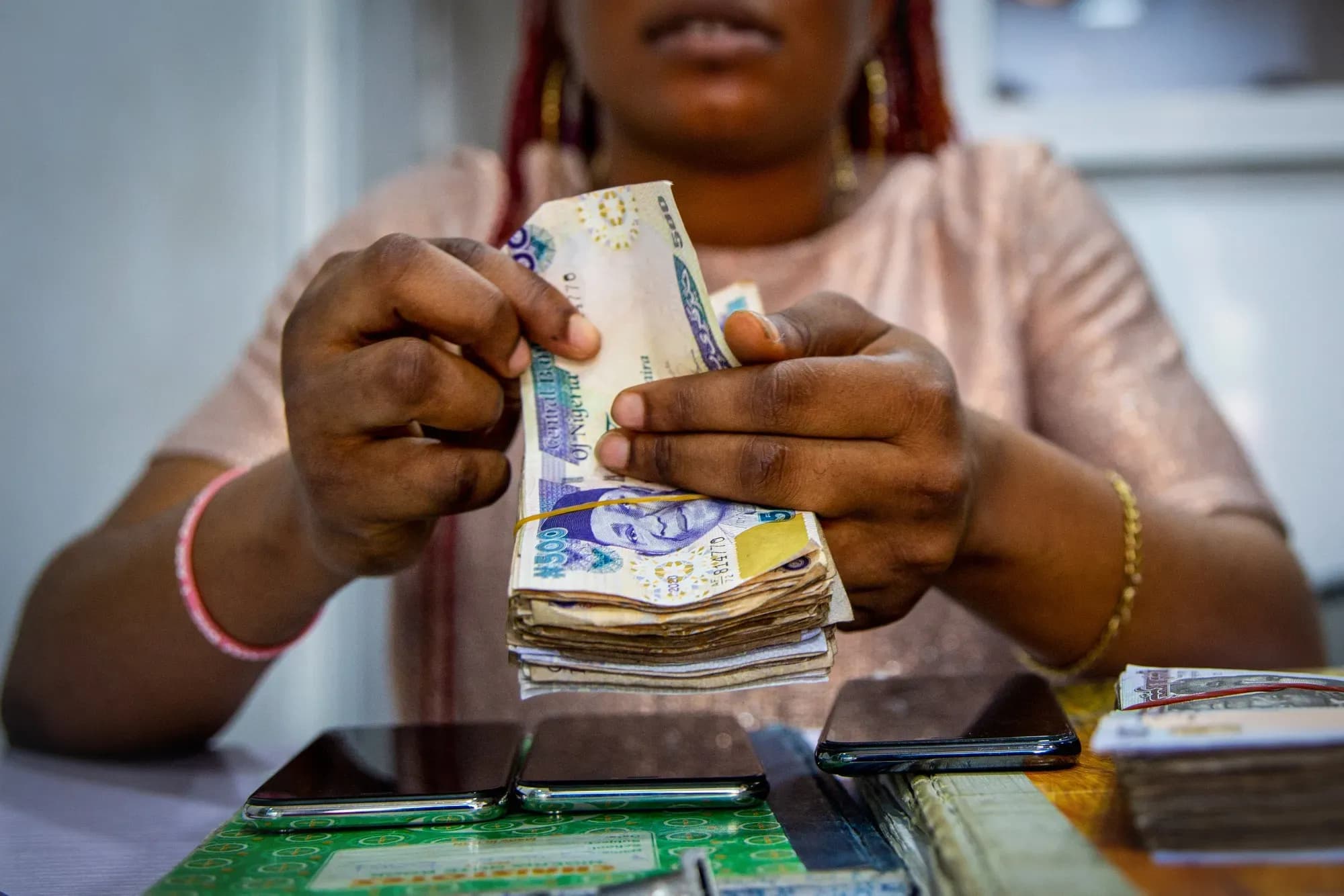
As at today mony 26th may 2025, Nigeria’s oil and gas sector wrestles with global price volatility and declining refinery margins, the Naira continues its turbulent trajectory against key international currencies. Both the official and parallel exchange markets are mirroring these pressures, driven by forex scarcity, reduced crude revenues, and mixed investor confidence.
Official Market Rates – CBN and NAFEM Overview
At the Nigerian Autonomous Foreign Exchange Market (NAFEM), the official Central Bank of Nigeria (CBN) rates as of May 24, 2025, are as follows:
- USD/NGN: ₦1,588.61
- GBP/NGN: ₦2,033.75 (estimated from cross rates)
- EUR/NGN: ₦1,804.70
These rates were calculated based on May 23 trading data, reflecting marginal daily movement, particularly a 0.10% dip in the dollar rate from the prior day’s ₦1,590.14. Official forex transactions, such as crude earnings, corporate remittances, and import financing, depend on these benchmarks.
The CBN’s managed float regime, combined with periodic interventions, aims to temper currency volatility. However, amid an import-dependent economy and weaker oil revenue inflows in Q2 2025, the bank faces sustained pressure to balance exchange stability with inflationary risks.
Parallel Market (Black Market) Rates – May 24, 2025
The unregulated forex market, commonly referred to as the black or parallel market, continues to price in real-time supply gaps and speculative trading. Rates as of this morning across Lagos and Abuja are:
- USD/NGN:
- Buying: ₦1,620.00
- Selling: ₦1,640.00
- GBP/NGN:
- Buying: ₦2,100.00
- Selling: ₦2,140.00
- EUR/NGN:
- Buying: ₦1,770.00
- Selling: ₦1,820.00
Local traders in Wuse Zone 4, Abuja, reported spot USD sales at ₦1,625 and GBP quotes as high as ₦2,160, indicating regional variations driven by liquidity challenges and demand spikes.
FX Volatility and the Oil Sector
Nigeria’s oil and gas landscape, a primary source of forex, is in transition. Despite Dangote Refinery’s recent price cuts on PMS, AGO, and LPG, ranging from ₦6 to ₦15 per litre, the industry’s contribution to forex earnings remains curtailed. Exports from state-backed terminals have slowed, and full production ramp-up at private refineries is still in progress.
Moreover, exchange rate divergence is impacting downstream operations. Importers sourcing petroleum products—particularly lubricants, additives, and refined fuels not yet produced locally—face higher landed costs due to the parallel market premium.
Consumer Impact and Industry Sentiment
The widening gap between official and street market rates affects both corporate strategy and consumer pricing. Importers of fuel and energy infrastructure components often rely on the black market, pushing up the final retail cost. This also undermines the effectiveness of recent refinery-led price cuts, especially as transportation and distribution remain dollar-influenced.
A Lagos-based fuel marketer noted, “We welcome Dangote’s ₦6–₦15 reductions last week, but forex volatility keeps squeezing our margins. Even minor black market hikes erode depot savings.”
Outlook: What to Expect
With Brent crude hovering near $67 per barrel, and CBN’s monetary stance now leaning towards cautious intervention, analysts expect exchange rate pressures to persist. Structural constraints such as low FDI, dollar rationing, and uneven refinery output could continue to weigh on Naira stability.
In the short term, real-time rate tracking via online platforms and official NAFEM portals remains essential for consumers and businesses alike. The CBN’s policy choices in the coming months particularly on forex access and interest rates will determine whether the Naira finds firmer ground.