

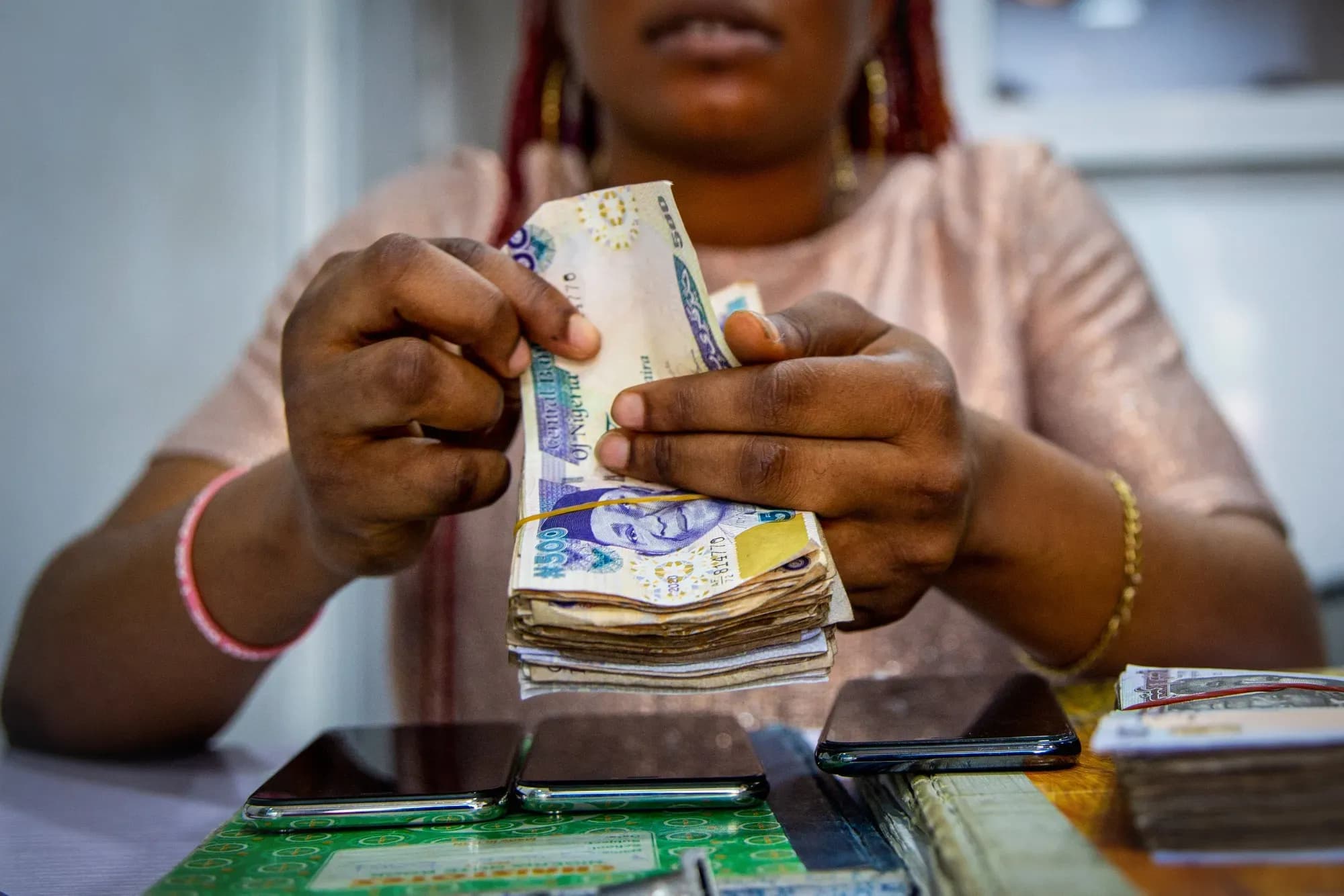
As a today 29th May 2025, the exchange rate against the Naira continues to struggle against major global currencies, with the gap between official and parallel market rates widening. As oil revenues remain unstable and refined product pricing evolves domestically, currency demand pressures persist.
Despite recent reforms in the oil and gas sector particularly the local supply boost from Dangote Refinery and subsidy withdrawal the Naira has yet to stabilise. Data from 28 May 2025 reveal a continued disparity in exchange rates across formal and informal markets.
Official Rates Hold, but Provide Limited Access
According to the Central Bank of Nigeria (CBN) and the Nigerian Foreign Exchange Market (NAFEM):
- USD/NGN: ₦1,587.47
- GBP/NGN: ₦2,209.07
- EUR/NGN: ₦1,968.33
These official rates apply to regulated transactions such as imports, government contracts, and institutional remittances. However, they remain out of reach for most Nigerians due to limited forex availability and delayed disbursements.
Parallel Market Offers Speed At a Price
By contrast, the parallel (black) market remains active, especially for businesses and individuals requiring quick forex access. As of 28 May 2025:
- USD/NGN: ₦1,608 (sell), ₦1,620 (buy)
- GBP/NGN: ₦2,130 (sell), ₦2,170–₂2,220 (buy)
- EUR/NGN: ₦1,780 (sell), ₦1,815 (buy)
Online platforms reported high volatility, especially for the Pound and Euro, reflecting supply constraints and speculative trades.
Oil Sector Realities Deepen the Divide
This forex trend emerges amid ongoing shifts in Nigeria’s oil and gas sector. The Dangote Refinery continues to release petrol into the market at progressively lower prices. However, the expected relief at the pump is diluted by the declining value of the Naira.
While Dangote sells ex-depot petrol below ₦830 per litre, exchange rate fluctuations still impact final pump prices. Analysts note that fuel is priced in dollars even when sourced locally due to Nigeria’s import-reliant cost structures and dollar-denominated crude benchmarks.
Furthermore, the NNPC Limited recently lowered its pump price to ₦870 in Lagos, undercutting Dangote’s retail partners. Yet these gains risk erosion if the Naira continues to fall, as payment terms across the energy value chain remain dollar-linked.
Analysts Warn of Fragile Gains
Recent trends show slight variations, but confirm the same trend:
- USD: ₦1,617.51
- GBP: ₦2,175.44
- EUR: ₦1,827.33
These rates reflect marginal stability but remain high compared to the official window. Financial experts tie this to ongoing inflation, weak oil receipts, and the delayed recovery of domestic refining beyond Dangote.
Implications for Nigerians and Local Businesses
The widening exchange rate gap affects various groups:
- Importers relying on official rates face delays and paperwork.
- Students, travellers, and SMEs turn to the parallel market, incurring higher costs.
- Retail fuel distributors face cost uncertainty, as depot payments remain pegged to dollar rates despite local refining.
For example, a student paying UK tuition at ₦2,170/GBP in the black market must convert more Naira than if accessing the official ₦2,209/GBP rate—assuming availability. Similarly, importers sourcing goods or machinery face inflated prices, feeding domestic inflation.
What Lies Ahead?
While the government pursues forex reforms, including an air cargo corridor to boost non-oil exports, analysts caution that without increased foreign reserves and tighter controls on speculation, the black market will persist.
The Central Bank’s interventions may slow the depreciation, but as long as the oil sector struggles with output levels, delayed refinery revivals, and oil theft, the Naira remains vulnerable.
The exchange rate gap remains a critical barometer of Nigeria’s economic health. As Dangote’s refinery brings some price relief and NNPC responds with aggressive retail cuts, currency value continues to offset those wins. For the Naira to stabilise, Nigeria must not only fix supply logistics but also re-anchor confidence in its formal forex system.