

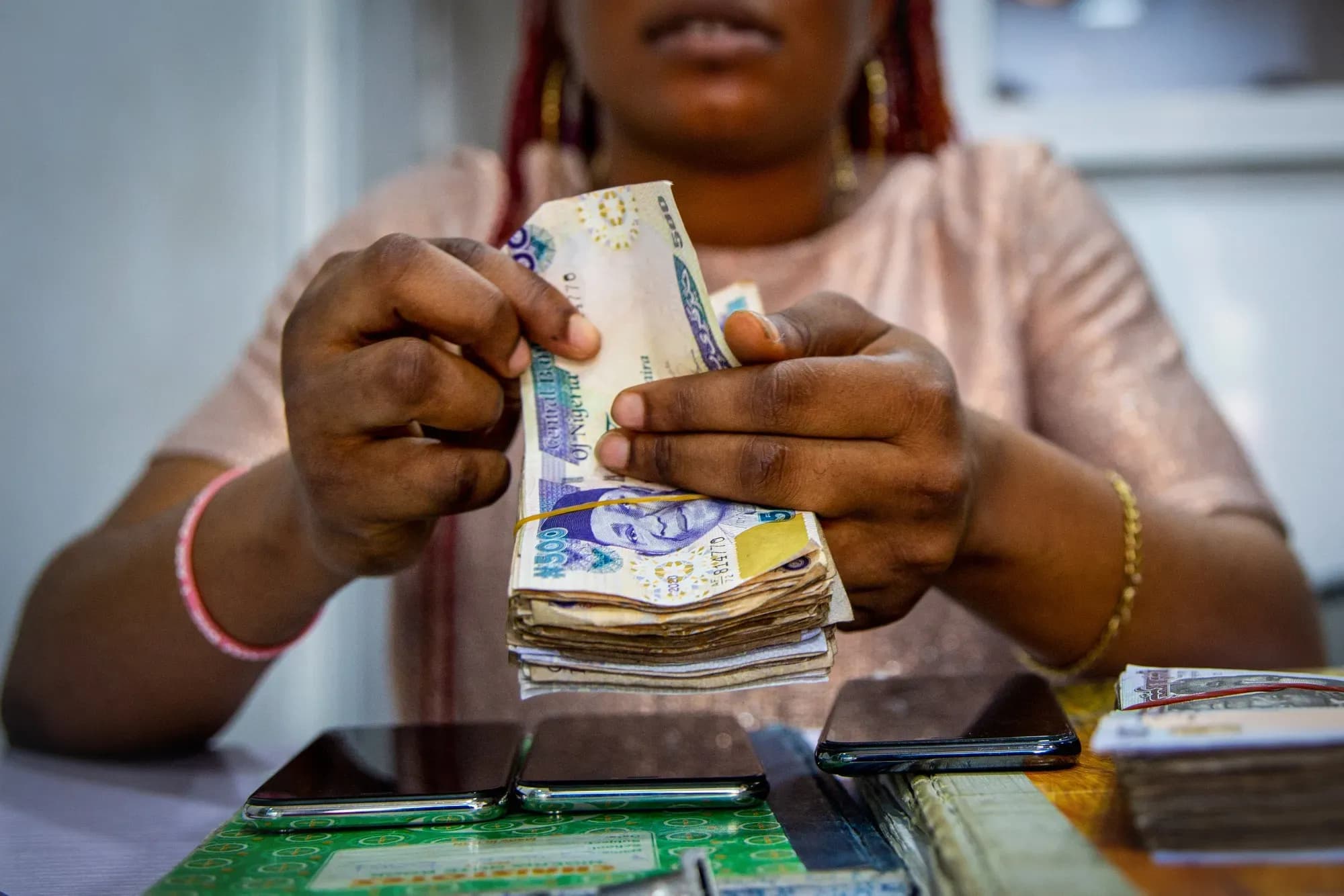
As at today Friday 30th May 2025, the Nigerian Naira remains under significant pressure across both official and parallel foreign exchange markets, reflecting the country’s broader economic volatility particularly amid recent developments in the petroleum sector. While the government celebrates refinery restarts, foreign exchange markets remain cautious as crude oil revenue struggles to translate into sustained Naira strength.
Official Market Rates: Slight Gains but Structural Challenges Persist
According to data from the Central Bank of Nigeria (CBN) and the Nigerian Autonomous Foreign Exchange Market (NAFEM), the Naira posted modest gains in today’s official exchange rates:
- USD/NGN: ₦1,587.47
- GBP/NGN: ₦2,175.44
- EUR/NGN: ₦1,827.33
These movements come amid the CBN’s ongoing interventions, including the $197.71 million liquidity injection earlier this April. However, optimism from the partial restart of the Warri Refinery has not yet translated into currency market confidence, partly because full production is still limited and petroleum exports remain far below potential.
Parallel Market Rates: Premiums Rise as Supply Gaps Linger
In the parallel or “Aboki” market, rates remain significantly above official figures, reflecting high demand for foreign exchange amid uncertainties in the local oil economy. As of May 28, 2025:
- USD/NGN: ₦1,620 (buy) / ₦1,625 (sell)
- GBP/NGN: ₦2,100–₦2,140 (buy) / ₦2,130–₦2,170 (sell)
- EUR/NGN: ₦1,780 (buy) / ₦1,815 (sell)
These higher rates stem from ongoing FX scarcity, as crude oil exports the primary FX earner have yet to recover fully despite refinery headlines. With the Port Harcourt and Kaduna refineries still undergoing rehabilitation and WRPC operating below full capacity, hopes of easing FX pressure through local refining are yet to materialise.
Oil Sector Reforms Not Yet Impacting Currency Markets
The federal government has touted its “Decade of Gas” agenda and the restart of the Warri Refinery as major milestones. But with only diesel and kerosene currently produced and full-scale PMS refining still pending, the FX benefits of import substitution remain theoretical.
Crude oil remains Nigeria’s largest FX source, but global oil prices have remained choppy, and exports have been hampered by pipeline vandalism and under-capacity production. Meanwhile, Nigeria still imports refined petroleum products, putting persistent pressure on dollar demand and the Naira exchange rate.
Currency Outlook: A Battle Between Reforms and Market Realities
The nearly 2.1% gap between official and parallel USD rates underscores continued scepticism about the economy’s ability to stabilise its foreign reserves. Analysts at Focus Economics have flagged Nigeria’s FX trajectory as volatile, with near-term gains from refinery activity potentially undermined by slow structural change and global risks including tariff concerns tied to U.S. political developments.
While the CBN continues to clamp down on unofficial operators and unregistered FX platforms, the informal market still dominates because of accessibility, speed, and a lack of confidence in official channels.
What This Means for Consumers and Businesses
As the Naira continues to fluctuate, here’s what you should keep in mind:
Verify Current Rates
Check platforms like CBN, and Verified sources for real-time data.
Be Cautious in the Parallel Market
Work only with reputable dealers and insist on receipts. Markets in Wuse Zone 4 (Abuja) and Balogun Market (Lagos Island) remain popular but are also hotspots for FX fraud.
Track Market Trends
Use tools like Xe.com or Wise to monitor long-term trends and set alerts. This is particularly useful for importers and international business operators.
Final Word: A Refinery Restart Isn’t a Currency Fix
While the Warri Refinery restart is a positive sign, its limited output and Nigeria’s ongoing reliance on petroleum imports mean FX pressures remain high. For the Naira to stabilise meaningfully, structural reforms in the oil and gas sector must move faster and be backed by transparent export and refinery data, reduced imports, and diversified FX revenue sources beyond crude.
Exchange rates are subject to rapid fluctuations. Always consult verified sources for real-time data before making any currency transactions.