

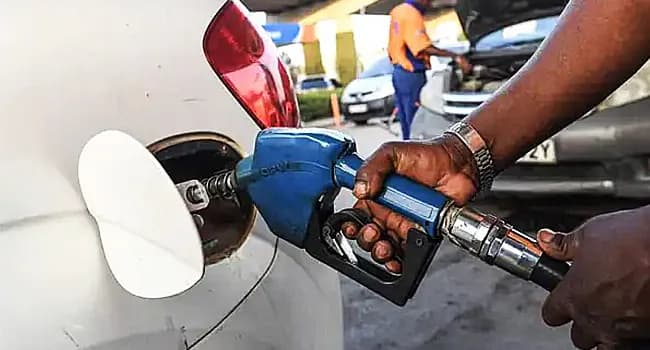
The Nigerian Federal Government has announced that all fuel station operators across the country must begin installing Compressed Natural Gas (CNG) pumps. This directive aims to make CNG more accessible to Nigerians and provide a cost-effective alternative to Premium Motor Spirit (PMS), commonly known as petrol, as its prices continue to rise. Currently, CNG costs around N200 per unit, a stark contrast to petrol prices, which are expected to increase considerably.
The announcement was made by Farouk Ahmed, Chief Executive Officer of the Nigerian Midstream and Downstream Petroleum Regulatory Authority (NMDPRA), at the 2024 OTL Africa Downstream Energy Week held in Lagos. Ahmed underscored the urgency of accelerating Nigeria’s energy transition, which is central to the government’s broader environmental and economic goals. The NMDPRA is actively collaborating with industry stakeholders to expedite the installation of CNG pumps at fuel retail outlets nationwide, aligning with Nigeria’s ongoing strategy to diversify its energy sources.
Background on CNG Adoption in Nigeria
Compressed Natural Gas has been gaining traction as a cleaner and more affordable alternative to petrol, particularly as global energy markets face instability. With a large natural gas reserve, Nigeria is well-positioned to benefit from CNG, providing an opportunity to reduce its dependence on imported petrol while addressing environmental concerns. In recent years, the government has encouraged CNG adoption through various pilot projects and incentives, primarily targeting commercial drivers and transport companies.
Government Incentives and Support for CNG Transition
In addition to the mandatory installation of CNG pumps, the federal government has introduced a suite of incentives designed to encourage the transition from petrol to CNG. For instance, commercial drivers can now convert their vehicles to CNG at no cost. This initiative, supported by the government’s energy transition policy, seeks to reduce the financial burden on drivers and transport companies while promoting CNG’s environmental benefits.
President Bola Tinubu has publicly advocated for CNG as a practical solution for Nigerian motorists, noting that CNG remains considerably cheaper than petrol, which could reach a cost of up to N1,000 per litre. With CNG available at N200 per Standard Cubic Meter, this shift not only provides financial relief for everyday Nigerians but also supports the government’s goal of fostering cleaner, sustainable energy use nationwide.
Implications for Fuel Station Operators
Fuel station operators across Nigeria are expected to adapt quickly to this mandate. By incorporating CNG dispensers into their existing infrastructure, stations can serve a broader range of customers and meet the rising demand for CNG-powered vehicles. The NMDPRA is working with industry stakeholders to develop a seamless implementation plan, which includes guidelines on technical standards, safety protocols, and training for station personnel.
The rollout of CNG pumps is expected to vary based on regional demand and the readiness of fuel stations to incorporate the necessary infrastructure. Urban centres are likely to see more rapid adoption, given the higher concentration of vehicles and established demand for alternative fuels.
Economic and Environmental Benefits of Widespread CNG Usage
Widespread adoption of CNG presents substantial economic and environmental benefits for Nigeria. Economically, the shift to CNG reduces the nation’s reliance on imported fuel, alleviating pressure on foreign reserves and potentially stabilising local energy prices. For consumers, this could translate to lower transportation costs and, by extension, a decrease in the cost of goods and services dependent on road transport.
Environmentally, CNG produces fewer carbon emissions compared to petrol, contributing to cleaner air quality and aligning with global climate goals. Nigeria, as part of the global community, has committed to various environmental targets, and the shift towards CNG represents a significant step in reducing the country’s carbon footprint.
NMDPRA’s Role and Industry Response
The NMDPRA, under Farouk Ahmed’s leadership, is taking a proactive approach to Nigeria’s energy transition. Beyond enforcing the installation of CNG pumps, the agency is actively engaging with stakeholders in the downstream sector to address challenges related to infrastructure, supply logistics, and regulatory compliance. This initiative forms part of the broader Petroleum Industry Act (PIA) framework, which aims to reform and modernise Nigeria’s oil and gas sector.
Industry response has been mixed, with some fuel station operators raising concerns about the financial investment required for CNG pump installation. However, the government has hinted at possible subsidies or financing options to ease the transition, particularly for smaller, independent operators. Large operators have generally welcomed the directive, recognising the long-term benefits of diversifying their fuel offerings to include CNG.
A Step Towards Energy Security and Sustainability
This mandate is viewed as a pivotal moment in Nigeria’s journey toward energy security and sustainability. By promoting CNG as a mainstream fuel option, the government is not only offering Nigerians a cost-effective alternative but also laying the groundwork for a more resilient energy economy. As global energy markets continue to fluctuate, Nigeria’s proactive measures to adopt alternative fuels such as CNG could prove instrumental in stabilising the local energy sector.
With the federal government’s incentives and regulatory support, industry experts believe that CNG can play a transformative role in Nigeria’s energy landscape. As stations nationwide begin installing CNG pumps, the coming years are expected to see a substantial increase in CNG adoption, marking a significant milestone in Nigeria’s energy transition.