

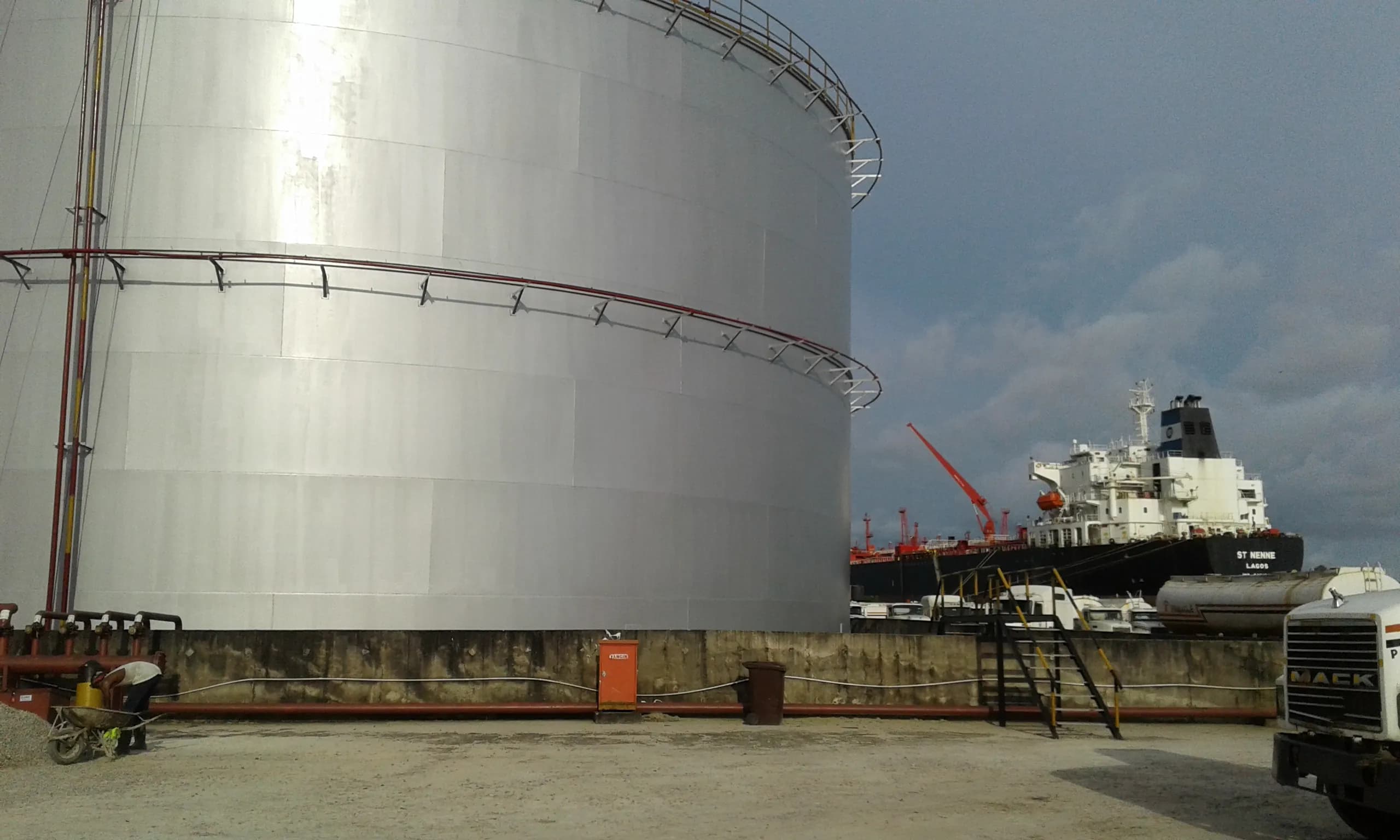
The Nigerian Midstream and Downstream Petroleum Regulatory Authority (NMDPRA) on Thursday reaffirmed the federal government’s unwavering drive to maintain a steady fuel supply across Nigeria.
During a stakeholder meeting in Warri, Delta State Coordinator, Victor Ohwodiasa, assured participants that the government had already implemented measures to sustain supply and streamline fuel distribution.
NMDPRA Strengthens Safety and Supply
Ohwodiasa addressed stakeholders directly.
“The government has taken all necessary steps to ensure a steady fuel supply and uninterrupted distribution across the country,” he said.
He added that fuel transportation issues often increase operational costs. Consequently, NMDPRA now equips security agencies and depot operators with updated tools to enhance compliance and efficiency.
NMDPRA Enforces Colour-Coded Fuel Trucks
To ensure transparency and enhance safety, the Authority has enforced colour coding and branding of petroleum tankers nationwide. This step allows authorities to identify fuel types and track movements easily.
Ohwodiasa specified:
- PMS (Petrol): Light blue, 75 cm band
- AGO (Diesel): Deep yellow and light blue, 75 cm band
- DPK (Kerosene): Deep yellow, 75 cm band
By introducing visual fuel classification, NMDPRA aims to reduce illegal transport and tanker-related accidents, while ensuring steady fuel supply.
Section 48 Mandates Agency Collaboration
Ohwodiasa cited Section 48 of the Petroleum Industry Act (PIA), which requires government departments to consult the NMDPRA before undertaking actions that affect petroleum operations.
“Section 48 ensures coordination among all parties and supports the movement and steady fuel supply nationwide,” he said.
Truck Capacity Reductions to Boost Road Safety
NMDPRA has also moved to address road accidents caused by overloaded trucks. Ohwodiasa announced that the agency will gradually reduce the approved maximum loading capacity from 60,000 litres to 45,000 litres.
He urged operators to observe safety guidelines and call toll-free emergency lines 112 or 122 during road incidents to prompt swift government response.
NMDPRA Pledges Ongoing Engagement
Ohwodiasa confirmed that the agency would sustain stakeholder engagements on fuel movement and operational standards. He said this directive comes from NMDPRA Chief Executive Ahmed Farouk, who insists on continuous industry sensitisation.
Stakeholders Applaud Safety-First Approach
Industry leaders welcomed the dialogue. Duke Obaro, Chairman of National Association of Road Transport Owners (NARTO), Delta chapter, praised NMDPRA for its proactive safety agenda and focus on steady fuel supply.
The session drew participation from representatives of the Nigerian Navy, Army, DSS, FRSC, NSCDC, and several depot operators and union leaders.
Through clear communication, truck reforms, and legal coordination, NMDPRA continues to enforce a steady fuel supply and safe distribution network. The Warri meeting reflects a national strategy designed to stabilise the market, protect transport assets, and strengthen inter-agency collaboration.