

The Federal Government has reiterated that it will not reintroduce fuel subsidy, maintaining its stance on market-driven pricing despite mounting concerns over the rising cost of living.
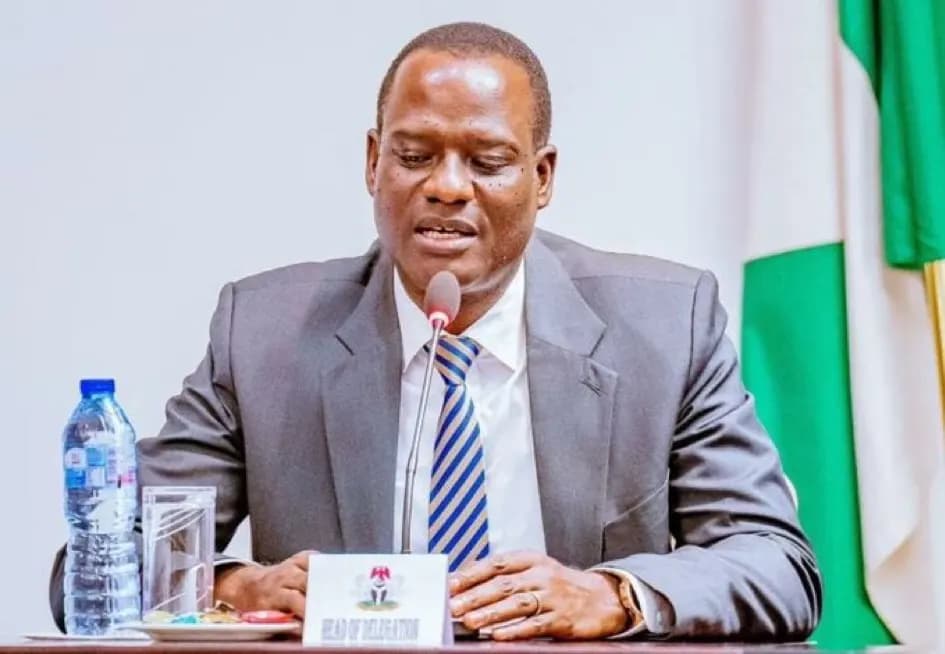
Speaking during an engagement with global investors in Paris, France, the Minister of Finance and Coordinating Minister of the Economy, Taiwo Oyedele, said the current administration remains committed to subsidy removal, describing the policy as necessary to correct long-standing distortions in the economy.
He stated that petrol pricing would not be subject to government control, noting that authorities are relying on market mechanisms to determine prices.
The position comes amid continued public pressure following the removal of fuel subsidy in May 2023, a move that triggered a sharp rise in inflation and living costs across the country.
Data shows that headline inflation climbed from 22.41 percent in May 2023 to 34.19 percent by June 2024, marking a multi-year high. The increase has been largely attributed to higher fuel costs, transportation expenses, and food prices, with food inflation exceeding 39 per cent at one point.
The removal of subsidy, combined with currency depreciation, also significantly increased transport costs, placing additional pressure on household incomes.
Despite these challenges, the government maintains that the reform is yielding macroeconomic benefits. President Bola Tinubu told investors that the elimination of subsidy has contributed to improved foreign exchange stability, reducing fiscal pressure on the economy.
In a separate statement, presidential spokesperson Bayo Onanuga said the administration’s reform agenda is focused on stabilising key economic indicators, improving transparency, and laying the groundwork for long-term growth.
Oyedele also pointed to improvements in economic performance, noting that Nigeria recorded double-digit growth in gross domestic product in dollar terms in 2025. He said the government is targeting a $1 trillion economy by 2030, with a focus on translating policy reforms into tangible outcomes for citizens.
As part of broader fiscal measures, the government plans to publish quarterly financial data to enhance transparency and accountability.
Meanwhile, the Director-General of the Debt Management Office, Patience Oniha, assured investors of a disciplined approach to borrowing, emphasising sustainability in debt management.
The investor meeting included representatives from major international financial institutions, reflecting continued efforts by the government to attract foreign investment and strengthen confidence in its economic reform programme.
While the government maintains that subsidy removal is essential for long-term stability, the policy continues to generate debate, particularly as rising fuel costs remain a key driver of inflation and economic pressure on households.