

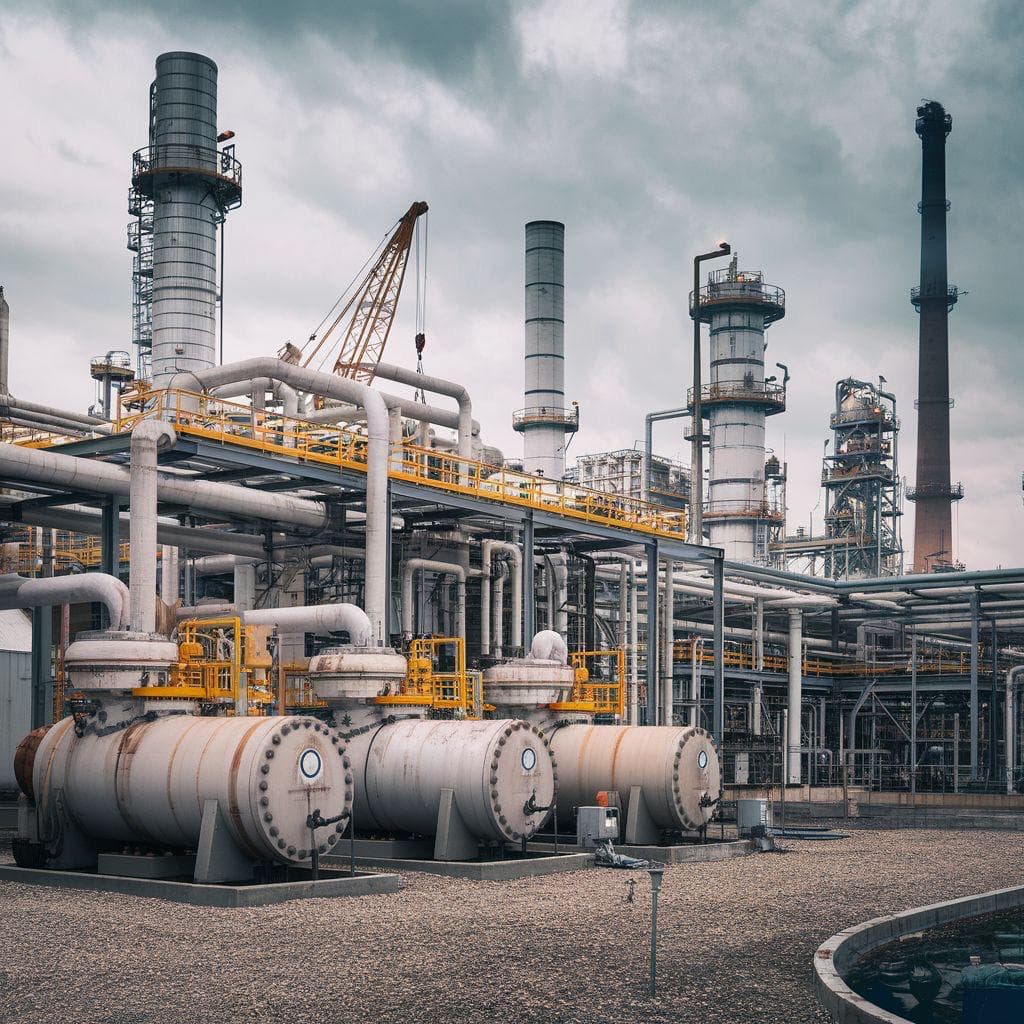
The Federal Government has set a target of raising Nigeria’s natural gas production to 12 billion standard cubic feet per day (Bcf/d) by 2030, as it seeks to expand industrial activity and improve energy supply.
President Bola Tinubu announced the target under the Gas Master Plan 2026 at the 20th OTL Africa Downstream Energy Week in Lagos on Monday.
Represented by the Permanent Secretary of the Ministry of Petroleum Resources, Patience Ojekunle, Tinubu said the government aims to increase production to 10 Bcf/d by 2027 before reaching 12 Bcf/d by 2030.
He said the plan would prioritise domestic gas utilisation to support electricity generation, manufacturing, petrochemicals and transportation, while sustaining liquefied natural gas exports.
Nigeria’s proven gas reserves of more than 250 trillion cubic feet present significant opportunities for economic growth, the president said, adding that investment in production, processing, transportation and distribution infrastructure would be critical to achieving the targets.
The government also plans to leverage gas resources to reduce energy costs for businesses, strengthen domestic industries and create jobs.
However, Tinubu noted that achieving the targets would require adequate financing, expanded infrastructure and stronger connections between gas-producing areas and end users.
Nigeria’s gas production averaged about 7.5 Bcf/d in 2026, while domestic supply exceeded 2 Bcf/d, according to figures disclosed by Minister of State for Petroleum Resources (Gas), Ekperikpe Ekpo, earlier in October.
The targets therefore require increased production alongside improvements in the infrastructure needed to deliver gas to power plants and industrial consumers.
The Gas Master Plan forms part of the government’s broader strategy to use Nigeria’s gas resources to strengthen energy security, attract investment and accelerate industrialisation.