

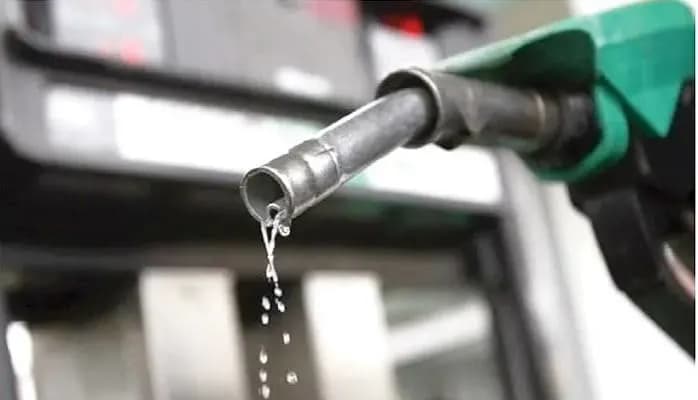
Fuel prices at filling stations across Nigeria remain significantly above depot levels despite one of the sharpest declines in wholesale petroleum prices recorded in recent months, raising fresh questions about how quickly lower supply costs are being transmitted to consumers.
A review of depot price movements by Petroleumprice.ng showed that petrol prices declined by as much as 7.6% during the week of June 15 to June 19, while diesel prices fell by nearly 12% at some depots. Yet motorists across the country continue to pay between ₦1,200 and ₦1,375 per litre for petrol, according to a nationwide retail price survey by TVC News.
In Lagos and many parts of the South-West, TVC News reported that petrol was sold at an average of about ₦1,200 per litre. MRS stations dispensed the product at around ₦1,200 per litre, while AP outlets sold at about ₦1,350 per litre. Conoil was quoted at ₦1,275 per litre, while Northwest sold at approximately ₦1,285 per litre.
Across northern and eastern states, retail prices were even higher, ranging from ₦1,330 to ₦1,375 per litre, according to the survey.
The retail pricing stands in sharp contrast to developments in the depot market, where both petrol and diesel prices recorded substantial declines during the week.
Data compiled by Petroleumprice.ng showed that Lagos depots witnessed aggressive PMS price reductions. Aiteo's petrol price fell from ₦1,240 per litre on Monday to ₦1,161 per litre on Friday, representing a decline of about 6.4%.
Bono recorded one of the largest PMS reductions in Lagos, dropping from ₦1,246 per litre to ₦1,165 per litre, a decline of approximately 6.5%.
Integrated fell from ₦1,242 per litre to ₦1,165 per litre, while Rain Oil dropped from ₦1,243 per litre to ₦1,165 per litre. A.A. Rano and Aipec also reduced prices to ₦1,165 per litre by the end of the week.
Outside Lagos, even steeper petrol reductions were recorded. Mainland Depot in Calabar cut PMS prices from ₦1,284 per litre to ₦1,187 per litre, representing a decline of approximately 7.6%, the largest petrol price reduction recorded among the depots reviewed.
The diesel market experienced an even sharper correction.
African Terminal reduced Automotive Gas Oil (AGO) prices from ₦1,675 per litre to ₦1,478 per litre, representing an 11.8% decline. Ibeto's diesel price fell from ₦1,680 per litre to ₦1,490 per litre, while Duport reduced prices from ₦1,675 per litre to ₦1,490 per litre.
MENJ and Emadeb also recorded significant reductions as operators moved aggressively to clear inventories and compete for buyers.
Industry sources attributed the sharp wholesale price corrections to falling international crude oil prices, increased product availability, and intensifying competition among depot owners, importers, and marketers.
The decline in crude oil prices followed easing geopolitical tensions after the United States and Iran reached a peace framework agreement that paved the way for the reopening of the Strait of Hormuz, helping to reduce concerns over potential disruptions to global energy supplies.
The resulting correction in international oil markets filtered into Nigeria's downstream sector, prompting refiners, importers, and depot operators to review prices downward.
Despite the reductions at the depot level, many consumers interviewed by TVC News said pump prices remain higher than expected and have yet to reflect the scale of the wholesale market correction.
Several motorists across Lagos, Kebbi, Kwara and Ebonyi states called for stronger competition and more effective market oversight to ensure lower supply costs translate into relief for consumers.
Market analysts note that retail price adjustments often lag behind depot movements because marketers seek to recover costs from inventories purchased at higher prices. However, they say sustained weakness in depot prices could increase pressure on filling stations to review pump prices downward in the coming weeks.
With wholesale fuel prices continuing to soften and international crude markets remaining under pressure, attention is increasingly turning to how quickly filling stations will begin reflecting the latest realities in the depot market.