

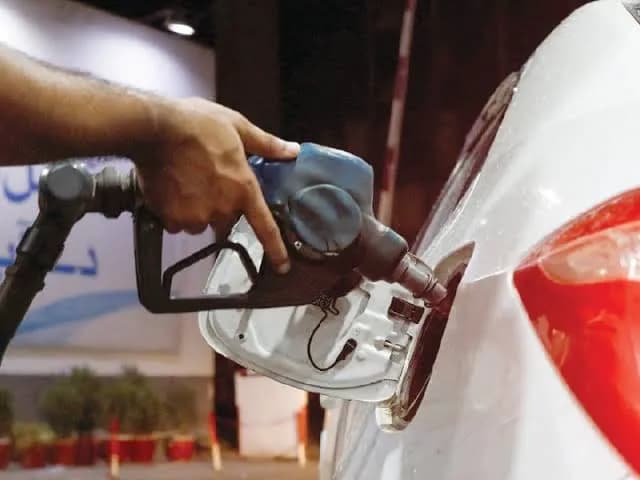
Metre pumps at filling stations have become an essential aspect of the fuel distribution system, helping ensure precise measurement of fuel being dispensed into vehicles. For consumers and filling station operators alike, understanding the role and functionality of these pumps is key to ensuring efficiency, transparency, and accurate fuel delivery.
What Are Metre Pumps?
Mitre pumps are fuel-dispensing units that measure and regulate the flow of petrol or diesel from the underground tanks at filing stations into customers’ vehicles or plastic containers. These pumps are designed to provide precise quantities of fuel, ensuring that motorists and regular users receive the exact amount they are paying for. The accuracy of mitre pumps is paramount, as it directly affects both the station’s revenue and customer trust.
Why Accurate Measurement Matters
Given the fluctuating price of fuel and the significant impact it has on personal and commercial budgets, accurate measurement is critical. Consumers expect to get exactly what they pay for, and any discrepancy can lead to a loss of confidence in the filing station. Over time, even minor miscalculations can result in substantial financial losses for both consumers and station owners.
Regulation and Calibration
In Nigeria, the Nigerian Midstream and Downstream Petroleum Regulatory Authority (NMDPRA) oversees the calibration and regulation of metre pumps. Filing stations are required by law to have their pumps calibrated regularly to ensure accuracy. Calibration is the process by which these pumps are tested and adjusted to measure fuel accurately. This is usually carried out by authorised regulatory officers who use specialised equipment to measure the fuel being dispensed.
Operators are encouraged to recalibrate pumps every six months or as soon as discrepancies are noticed. Stations found to be dispensing inaccurate fuel quantities face stiff penalties, including fines, temporary closures, or revocation of licences.
Common Issues with Metre Pumps
One of the most common problems consumers face at filling stations is inaccurate fuel dispensation due to poorly calibrated metre pumps. In some cases, pumps may be rigged or malfunctioning, delivering less fuel than displayed. This can happen either unintentionally due to wear and tear or deliberately as part of fraudulent activities.
It’s crucial for consumers to be vigilant when refuelling. One way to ensure that you’re receiving the correct quantity of fuel is by paying attention to the pump’s meter as the fuel is being dispensed. Look out for suspicious delays or fluctuations in the display, as this could indicate a malfunction.
What Should You Do If You Suspect an Issue?
If you suspect a mitre pump at a filing station is not dispensing fuel accurately, it’s essential to report the issue. In Nigeria, consumers can lodge complaints with the NMDPRA, which has a mandate to investigate and ensure compliance. Many stations also display complaint hotlines for quick reporting.
The Role of Technology
In recent years, advancements in technology have led to the development of more sophisticated mitre pumps. Modern pumps come equipped with digital meters, security seals, and even software that can track fuel levels in real time. These innovations are designed to reduce the likelihood of inaccuracies and ensure that consumers receive the exact amount of fuel they have paid for.
Additionally, many stations are now integrating automated payment systems that link directly to metre pumps, further ensuring transparency in fuel dispensation. This technology benefits both station operators and customers by minimising human error and reducing the potential for fraud.
Conclusion
Metre pumps play a crucial role in the smooth operation of filling stations, ensuring accurate fuel measurement and contributing to the overall efficiency of the distribution chain. For both consumers and operators, understanding how these pumps work, the importance of regular calibration, and being aware of potential issues can go a long way in promoting fairness and transparency in fuel transactions.
Whether you are a frequent motorist or simply filling up now and then, being informed about how metre pumps function helps you make more confident and empowered choices at the pump.