

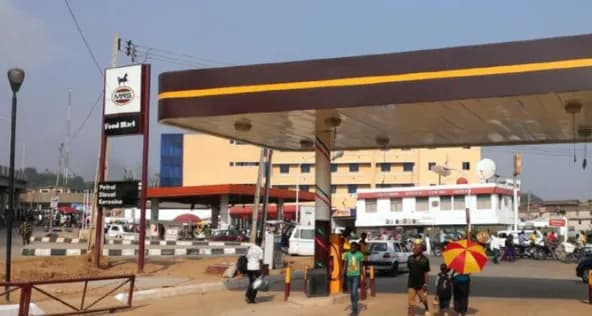
The partnership between MRS Oil Nigeria Plc and Dangote Petroleum Refinery has disrupted the petroleum marketing sector in Northern Nigeria, with MRS stations selling petrol at a competitive price of ₦935 per litre. While this move has delighted consumers, it has left other petroleum marketers grappling with unsustainable losses.
Comprehensive Cost Analysis
For petroleum marketers in the region, the cost of procuring and delivering Premium Motor Spirit (PMS) is significantly higher than MRS’s retail price:
- Depot Price: ₦908 x 45,000 litres = ₦40,860,000
- Depot Expenses: ₦3 x 45,000 litres = ₦135,000
- Transportation Costs: ₦50 x 45,000 litres = ₦2,250,000
- Total Cost: ₦951 per litre = ₦42,795,000
Despite these operational costs, MRS stations are retailing PMS at ₦935 per litre in some cities in Kano and Kaduna, which translates to a loss of ₦16 per litre or ₦720,000 per 45,000-litre truckload for competitors unable to match this pricing.
Market Impacts
The pricing disparity has created an uneven playing field, with MRS leveraging its collaboration with Dangote Refinery to reduce ex-depot prices and sustain lower retail prices. Meanwhile, other marketers report significant financial losses and shrinking sales volumes.
“Independent stations simply cannot compete with these prices,” lamented a marketer in Kano. “Our margins are wiped out, and sustaining operations at this rate is impossible.”
Calls for Intervention
The Independent Petroleum Marketers Association of Nigeria (IPMAN) has raised concerns about the sustainability of the current pricing model. Stakeholders have called on the federal government to intervene, suggesting subsidies or policy adjustments to stabilise the market and ensure fair competition.
A Widening Gap
While consumers in Northern Nigeria benefit from lower prices at MRS outlets, other marketers face the risk of closure, which could lead to fuel scarcity and further destabilisation of the region’s petroleum market.
MRS’s aggressive pricing strategy highlights the power of strategic partnerships in a deregulated market but underscores the urgent need for policy interventions. Without action, Northern Nigeria’s petroleum sector may face prolonged instability, impacting businesses and consumers alike.