

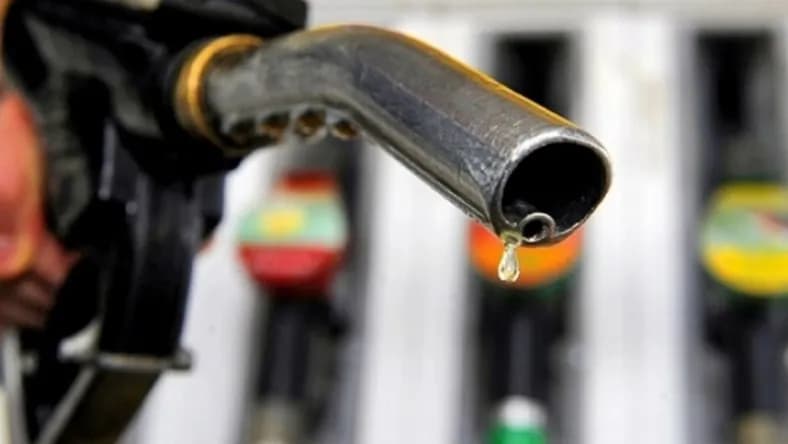
In a world where consumers from London to New Delhi grapple with rising energy costs, four African nations Libya, Angola, Algeria, and Egypt are swimming against the tide. Their citizens enjoy some of the lowest petrol prices globally, thanks to a mix of domestic refining, state-backed subsidies, and strict government regulation.
While Nigeria, Africa’s top oil producer, battles with high pump prices after subsidy removal, these North and Southern African countries continue to keep fuel affordable. Let’s break down the numbers and the underlying policies driving these unusual market realities.
Libya: Petrol at Give-Away Prices
At just US$0.028 per litre (₦42 per litre), Libya sits comfortably at the bottom of the global petrol price table. This is not just low it is almost negligible when compared to the world average of about US$1.22 (₦1,828 per litre).
Several factors sustain this ultra-cheap regime:
- Subsidy Overhang: The Libyan state shoulders nearly all refining and distribution costs, shielding citizens from global oil price volatility.
- Domestic Oil Wealth: With some of Africa’s largest reserves, Libya supplies its own refineries at minimal cost.
- Low Demand Pressure: Years of political instability have reduced internal consumption, easing the strain on supply chains.
For motorists, it means filling a tank in Tripoli costs less than buying a single litre in Lagos.
Angola: Subsidy Cushion Amid Currency Weakness
Angola follows with US$0.327 per litre (₦490 per litre). Although significantly higher than Libya, it is still well below the world average.
Key drivers include:
- Fuel Subsidies: Despite fiscal pressures, Angola maintains a strong subsidy system, keeping domestic prices relatively low.
- Production Leverage: As Africa’s second-largest oil producer, Angola offsets domestic fuel needs with steady crude output.
- Currency Devaluation: The weak Kwanza would ordinarily push prices higher, but subsidies dampen this pass-through effect.
In effect, Angolans pay less than half of what Nigerians spend per litre, despite similar oil production capacities.
Algeria: Regulated Market, Predictable Prices
In Algeria, motorists buy petrol at US$0.36 per litre (₦539 per litre). Though slightly higher than Angola, the country remains firmly among the cheapest globally.
The reason is simple price regulation. The Ministry of Finance sets pump prices, adjusting only gradually, which prevents consumers from sudden spikes tied to global benchmarks.
Algeria also benefits from:
- Robust Refining Infrastructure: Local refineries absorb crude directly, reducing import dependency.
- Steady Subsidy Policies: The government sustains subsidies despite fiscal strain, prioritising social stability.
This model ensures Algerians face some of the world’s most predictable and affordable fuel costs.
Egypt: Reforms but Still Affordable
Egypt’s petrol price stands at US$0.40 per litre (₦599 per litre). The figure is the highest among the four, but still well below global averages.
Why so cheap?
- Gradual Subsidy Reform: Egypt has been rolling back subsidies to ease fiscal pressure, but prices remain heavily state-managed.
- High Domestic Consumption: Large population and consumption levels allow for economies of scale in refining and distribution.
- Government Price Controls: Authorities continue to set caps, balancing reform with affordability to prevent social unrest.
Even as reforms tighten, Egypt retains its place on the list of the world’s cheapest fuel markets.
Nigeria in Perspective
In Nigeria, petrol prices now hover between ₦864 and ₦1,100 per litre depending on market conditions and location. The removal of subsidies, combined with currency devaluation and limited refining capacity, has exposed consumers to full market dynamics.
While Nigeria exports crude, it imports refined products at dollar-denominated rates, making pump prices highly sensitive to forex volatility. This contrasts sharply with Libya’s ₦42 per litre or Angola’s ₦490 per litre, underscoring the importance of refining capacity and government pricing structures.
Final Analysis
Libya, Angola, Algeria, and Egypt illustrate how domestic oil wealth, subsidy structures, and regulatory control can anchor fuel prices at levels unimaginable in most parts of the world. For Nigerians, the stark contrast raises pressing policy questions: should Africa’s largest crude exporter invest more aggressively in refining capacity and subsidy frameworks to shield citizens, or continue on the path of deregulation and market-driven pricing?
One thing remains clear energy policy choices, not just oil reserves, determine how much citizens pay at the pump.