

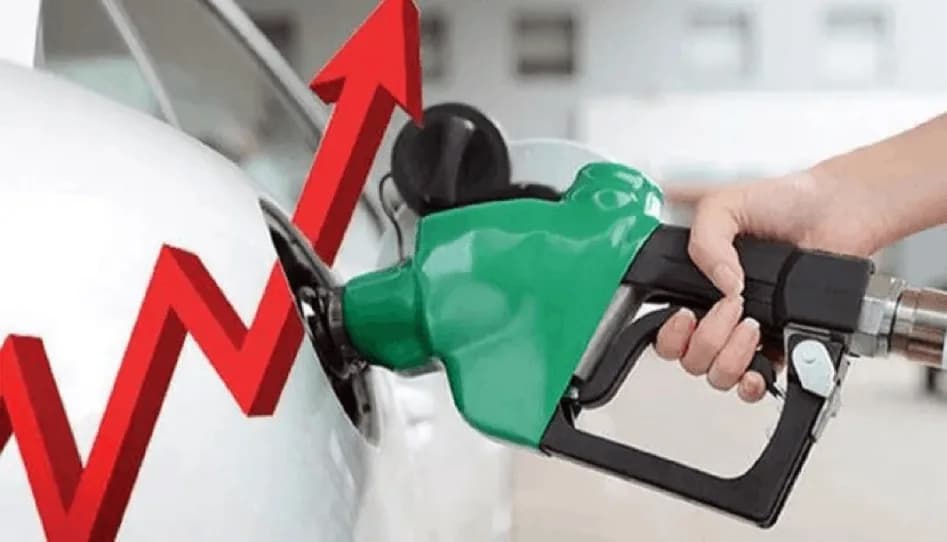
Nigeria’s private sector sustained its growth momentum in April 2026, but mounting fuel-related costs forced businesses to increase prices at the fastest pace in 16 months, according to the latest Purchasing Managers’ Index report released by Stanbic IBTC Bank.
The report showed that rising operating expenses, driven largely by higher energy and transportation costs linked to global oil market tensions, continued to pressure businesses despite improving customer demand and expanding commercial activity.
Stanbic IBTC’s headline PMI rose to 52.4 in April from 51.9 in March, marking the third consecutive month above the 50-point threshold that signals growth in private sector activity.
According to the report, stronger customer demand and increased business activity supported growth in new orders during the month. However, persistent inflationary pressures slowed the pace of expansion as companies struggled with elevated fuel and raw material costs.
The report stated that firms transferred a significant portion of these higher expenses to consumers, resulting in the sharpest increase in selling prices since December 2024.
“Output price inflation reached a 16-month high amid rising fuel costs,” the report noted.
Stanbic IBTC’s Head of Equity Research for West Africa, Muyiwa Oni, said lingering inflationary pressures continued to weigh on business performance even as market demand improved.
He explained that companies faced rising purchase costs throughout April, with inflation remaining close to the 15-month peak recorded in March. Businesses also reported increasing staff-related expenses, as some employers adjusted wages to help workers cope with rising transportation costs.
The report added that firms raised selling prices aggressively in response to the surge in fuel and input costs.
“Companies increased their selling prices in April to the highest level since December 2024 in response to rising fuel and raw material costs,” Oni stated.
Sectoral performance remained mixed during the period, with three of the four sectors monitored recording expansion, while the services sector experienced a decline in activity.
Despite the cost pressures, businesses continued to expand operations. Employment levels rose marginally in April, although the pace of job creation was the weakest recorded in the past three months.
Some firms also reported challenges linked to delayed customer payments, staff shortages, and difficulties sourcing raw materials, factors that contributed to an increase in outstanding workloads for the third consecutive month.
Purchasing activity expanded for the 17th straight month, while inventory accumulation accelerated to a five-month high as firms prepared for anticipated demand growth.
Supplier delivery times improved slightly during the month, supported by prompt payments from businesses attempting to secure raw materials, although the improvement was described as the weakest recorded so far in 2026.
Business confidence also strengthened, with nearly half of surveyed firms expecting higher output levels over the next 12 months. According to Oni, many businesses are planning expansion through new branch openings, inventory growth, and entry into new markets.
Stanbic IBTC projected Nigeria’s economy to grow by 4.22 percent year-on-year in 2026, compared to 3.87 percent in 2025, with the non-oil sector expected to remain the primary growth driver.
However, the report cautioned that persistent inflationary pressures, particularly those associated with fuel costs, continue to pose a major risk to the pace of business expansion across the country.
The findings contrast with the latest Purchasing Managers’ Index released by the Central Bank of Nigeria, which showed that Nigeria’s economic activity slipped into contraction territory in April 2026, with the PMI declining to 49.4 after 16 consecutive months of expansion.
The CBN report also linked the weakening business environment to external pressures, including heightened geopolitical tensions in the Middle East and disruptions affecting global supply chains and business confidence.