

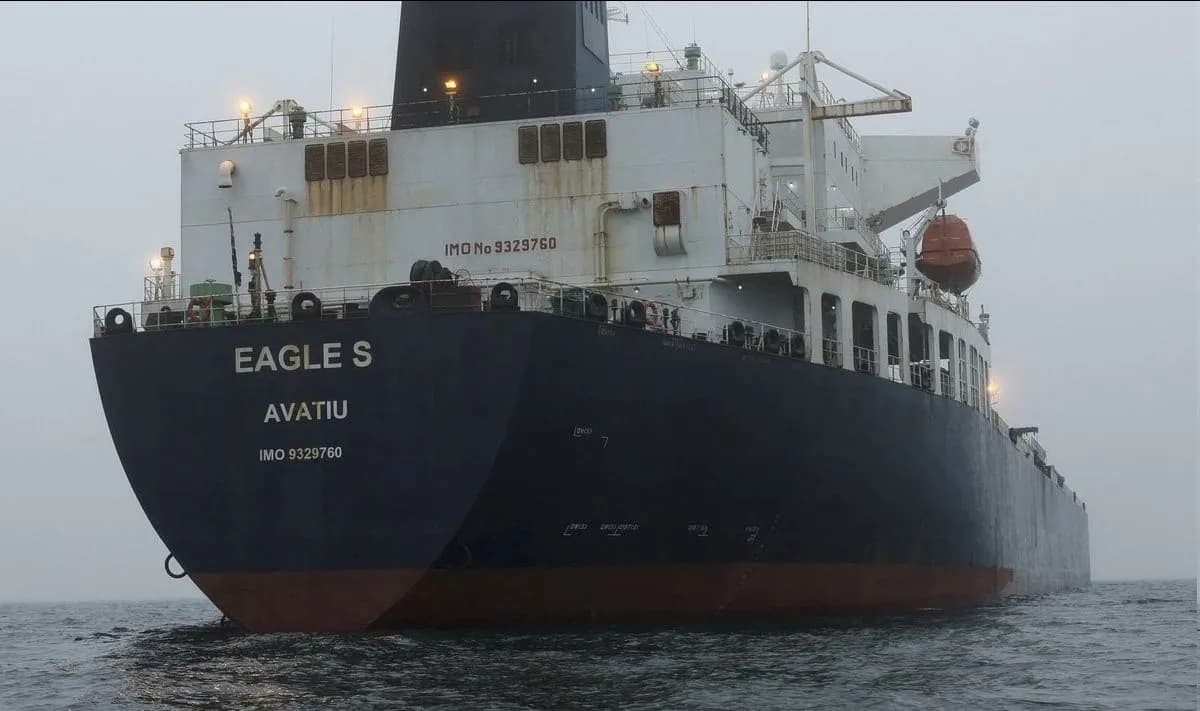
In a fresh twist to Nigeria’s downstream energy narrative, the Nigerian Midstream and Downstream Petroleum Regulatory Authority (NMDPRA) has revealed that 71.38% of the country’s petrol supply in May and June 2025 came from foreign imports, raising concerns over the viability of local refining and the nation’s energy security strategy.
Locally refined Premium Motor Spirit (PMS) accounted for only 28.62% of total consumption during the two-month period, according to data presented to the Federation Accounts Allocation Committee (FAAC).
Import Surge Despite Local Refining Gains
A combined total of 3.25 billion litres of PMS was distributed nationwide during May and June. Of this, imports accounted for 2.32 billion litres, while Dangote’s refinery and other local sources supplied just 927 million litres. This development highlights a critical imbalance between Nigeria’s refining capacity and market competitiveness.
The import trend intensified in June, with daily foreign-sourced PMS averaging 34.1 million litres amounting to 1.023 billion litres compared to 15.2 million litres daily from local output (totaling 455 million litres). In May, daily PMS imports reached 43.2 million litres (1.297 billion litres total), while domestic production slightly edged higher at 15.7 million litres daily.
Industry players say this shift is not merely due to supply volume constraints but driven by landing cost differentials, foreign exchange dynamics, and what analysts describe as Dangote’s relatively uncompetitive coastal pricing strategy.
Logistics, Distribution, and State-by-State Trends
Despite the surge in imports, daily PMS truck-outs fell from 54 million litres in May to 48 million litres in June, indicating a 16.42% supply variance. Lagos led fuel consumption in June with 205.66 million litres, followed by Ogun (88.69 million litres), and Abuja (77.5 million litres). In contrast, Yobe, Jigawa, and Ekiti recorded the lowest distribution figures, reflecting regional disparities in fuel demand driven by population, urbanisation, and industrial activity.
Depot loading volumes also increased to 985.6 million litres in June up from 1.22 billion litres in May amid a rise in active haulage trucks from 32,000 to nearly 37,000.
Forex Pressure Mounts as Marketers Spend ₦2.1tn
With petrol averaging ₦905 per litre, marketers reportedly spent over ₦2.1 trillion on fuel imports during the two-month window. This import-heavy strategy places further strain on Nigeria’s foreign reserves and contradicts ongoing government efforts to stabilise the naira and reduce dependence on foreign exchange for essential commodities.
Dangote vs. Market Forcesa
Aliko Dangote grew frustrated as fuel marketers continued to favour imports, undermining his refinery Africa’s largest single-train facility originally designed to make Nigeria a net exporter of refined products.
However, this call was met with stiff resistance from stakeholders who warned against monopolistic tendencies and anti-competitive policies.
Chinedu Ukadike, National Publicity Secretary of the Independent Petroleum Marketers Association of Nigeria (IPMAN), warned that forcing marketers to patronise one supplier especially without price incentives would crush the market.
“Monopoly has always been a red flag,” he said. “The government cannot hand the entire downstream sector to one operator without suffocating competition. Marketers survive on credit, and high Dangote prices are unsustainable for us.”
Ukadike also cited exorbitant levies from the Nigerian Ports Authority (NPA), Nigerian Maritime Administration and Safety Agency (NIMASA), and other port agencies, many of which demand payment in foreign currency, further weakening cost competitiveness for local lifting.
Billy Gillis-Harry, President of the Petroleum Products Retail Outlet Owners Association of Nigeria (PETROAN), echoed similar sentiments. He maintained that importation stabilises supply diversity, noting that Nigeria’s energy market must remain liberalised.
“Let Dangote compete on price. That is how market economics works in a free economy,” Gillis-Harry said.
Analysts: Cheaper Imports Undercut Domestic Supply
According to Jeremiah Olatide, CEO of Petroleumprice.ng, importers are undercutting Dangote’s refinery by sourcing cheaper cargoes internationally. “Eighty percent of private depots in Lagos priced PMS lower than Dangote’s ex-depot rate in July,” he told newsmen. “This explains why sales at the refinery dropped significantly while imports rose.”
He noted that importers ramped up cargoes in June to prepare for Dangote’s August 15 expansion rollout, foreseeing tighter competition in the coming months.
University of Lagos energy law expert, Prof Dayo Ayoade, warned that any ban on fuel imports would trigger monopolistic dominance and breach international trade principles. “It’s not just economically risky but legally problematic,” Ayoade said. “Until we have multiple refineries producing sufficient quantities, a ban would harm national energy security.”
Policy at Crossroads
The unfolding scenario presents a complex dilemma for the Tinubu administration. While the push for self-reliance and domestic refining is commendable, current realities in pricing, supply chain efficiency, and infrastructure favour imports.
The challenge ahead is finding a balance between nurturing local refining capacity and protecting competitive market structures. Industry analysts believe that unless cost barriers, forex burdens, and policy uncertainty are addressed, marketers will continue to favour importation even at the risk of undermining Nigeria’s long-term energy independence.