

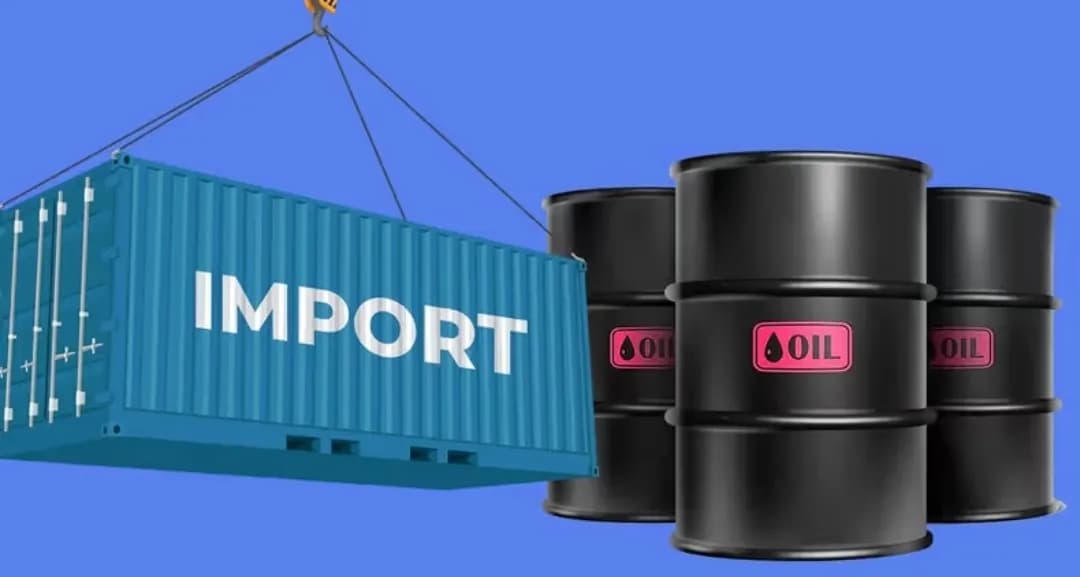
As Nigeria continues to battle fuel supply disruptions and price volatility, the need to balance fuel imports with local refining capacity has never been more critical. Nigeria, one of Africa’s largest oil producers, relies heavily on imported refined products, despite possessing vast crude oil reserves. The absence of sufficient refining capacity at home has left the nation vulnerable to global price fluctuations, fuel shortages, and economic instability. Balancing the importation of refined fuels with the development of local refineries is a strategic approach to ensuring long-term energy security and economic resilience.
For Nigeria, energy security goes beyond merely having access to fuel; it is about building a self-sustaining energy system that can withstand external shocks. With the ongoing challenges of an underperforming refining sector and a growing population, the country must strengthen its local refining capacity to reduce its dependency on foreign refined fuels and mitigate the impact of global market swings. A well-managed balance between fuel imports and local refining is critical for Nigeria to safeguard its energy future, stimulate local economic growth, and reduce the pressure on foreign exchange reserves.
Nigeria’s Refining Challenges and the Importance of Local Capacity
Despite being one of the world’s largest producers of crude oil, Nigeria’s refining capacity has been struggling for decades. The country’s refineries, such as the Port Harcourt, Warri, and Kaduna plants, have long been operating below their full potential due to outdated infrastructure, poor maintenance, and lack of investment. As a result, Nigeria imports over 90% of its refined fuel needs, leading to increased costs, foreign exchange pressure, and vulnerability to global supply chain disruptions.
The Nigerian government has recognised the urgent need to develop and modernise its refining capacity. Various initiatives, including the rehabilitation of existing refineries and the construction of new ones, are currently underway. The proposed Dangote Refinery, a private-sector driven project, is expected to significantly reduce Nigeria’s reliance on imported refined products. Once operational, it could produce 650,000 barrels per day, making Nigeria self-sufficient in refined fuel production and a net exporter of petroleum products.
Expanding and modernising local refineries is essential to reduce Nigeria’s exposure to global fuel price fluctuations. By processing its crude oil domestically, Nigeria can better manage the pricing of refined products, create jobs, and conserve foreign exchange reserves that are often used for fuel imports.
Diversification of Fuel Sources: A Necessity for Nigeria
A critical aspect of balancing fuel imports with local refining is the diversification of fuel sources. Nigeria, with its large reserves of natural gas, is uniquely positioned to explore alternative energy options. Natural gas, particularly liquefied natural gas (LNG), could play a pivotal role in reducing Nigeria’s dependence on imported refined fuels. The country is already a significant producer of natural gas, and expanding the use of LNG for transportation and power generation could reduce the strain on the country’s refining infrastructure.
Moreover, Nigeria is increasingly investing in renewable energy sources like solar and wind power, which will supplement traditional fossil fuels. These efforts are part of the broader energy transition strategy, but fossil fuels will continue to play a central role in Nigeria’s energy mix for the foreseeable future. Therefore, refining remains a crucial component of the nation’s energy security strategy.
The Role of Technology and Innovation in Refining
Technology and innovation play a critical role in improving the efficiency and sustainability of Nigeria’s refining sector. Upgrading refining technologies, such as advanced catalytic cracking and carbon capture systems, will not only increase production but also reduce emissions associated with refining processes. Modernising refineries will ensure that Nigeria can meet its domestic fuel needs while adhering to global environmental standards.
Furthermore, investments in digital technologies such as AI and automation could enhance the operational efficiency of Nigeria’s refineries, helping them to maximise output and reduce downtime. This will ultimately lead to more affordable fuel for Nigerian consumers and businesses.
The Way Forward: A Sustainable Energy Future for Nigeria
The future of Nigeria’s energy security lies in a balanced and sustainable approach to fuel production and consumption. While the country continues to modernise its local refineries, it is also diversifying its energy portfolio to include cleaner and more sustainable sources. The Nigerian government’s efforts to encourage investment in both traditional and renewable energy sectors are crucial in achieving energy independence.
However, the government must continue to address the long-standing issues in the refining sector, including funding, regulatory hurdles, and technical expertise. Public-private partnerships will be key to overcoming these challenges and ensuring the success of local refining initiatives. With the right strategies and investments, Nigeria has the potential to transform its refining sector and become a major player in the global energy market, securing a brighter and more resilient energy future for generations to come.