

The latest fuel price increase in Nigeria, which now sees petrol prices soar to as much as ₦1,500 per litre, has worsened the economic challenges facing millions of Nigerians. This recent hike in October 2024 has had a profound ripple effect on the prices of essential food items, pushing many families to the brink. With transportation costs surging due to the higher fuel prices, food suppliers have had no choice but to raise their prices, leaving consumers to bear the burden.
Fuel Price Impact on Key Food Items:
| Food Item | Price (Sept 2023) | Price (Oct 2024) | % Increase |
|---|---|---|---|
| Rice (50kg) | ₦50,000 | ₦74,000 – ₦78,000 | 48% |
| Beans (100kg) | ₦35,000 | ₦85,000 | 142% |
| Yam (1 tuber) | ₦700 – ₦1,000 | ₦1,300 – ₦1,500 | 50% |
| Plantain (1 bunch) | ₦1,500 | ₦2,200 – ₦2,800 | 80% |
| Garri (paint) | ₦700 | ₦2,400 | 243% |
| Tomatoes (paint) | ₦500 | ₦1,500 | 200% |
| Palm Oil (25L) | ₦8,000 | ₦12,000 | 50% |
| Potatoes (1kg) | ₦500 | ₦1,000 | 100% |
| Flour (50kg) | ₦45,000 | ₦60,000 | 33% |
The surge in fuel prices now exceeding ₦1,500 per litre has triggered a significant increase in the cost of food production and distribution. With transportation accounting for a large share of costs, food suppliers are struggling to maintain profitability, passing these costs on to consumers.
Staples like rice, a core part of Nigerian diets, now cost between ₦74,000 and ₦78,000 for a 50kg bag, up from ₦50,000, reflecting an almost 50% increase. Similarly, beans, another crucial food source, has seen a staggering 142% price surge, now retailing at ₦85,000 per 100kg bag. The prices of locally grown produce such as yam and plantain have nearly doubled, with yams now selling for up to ₦1,500 per tuber, depending on size.
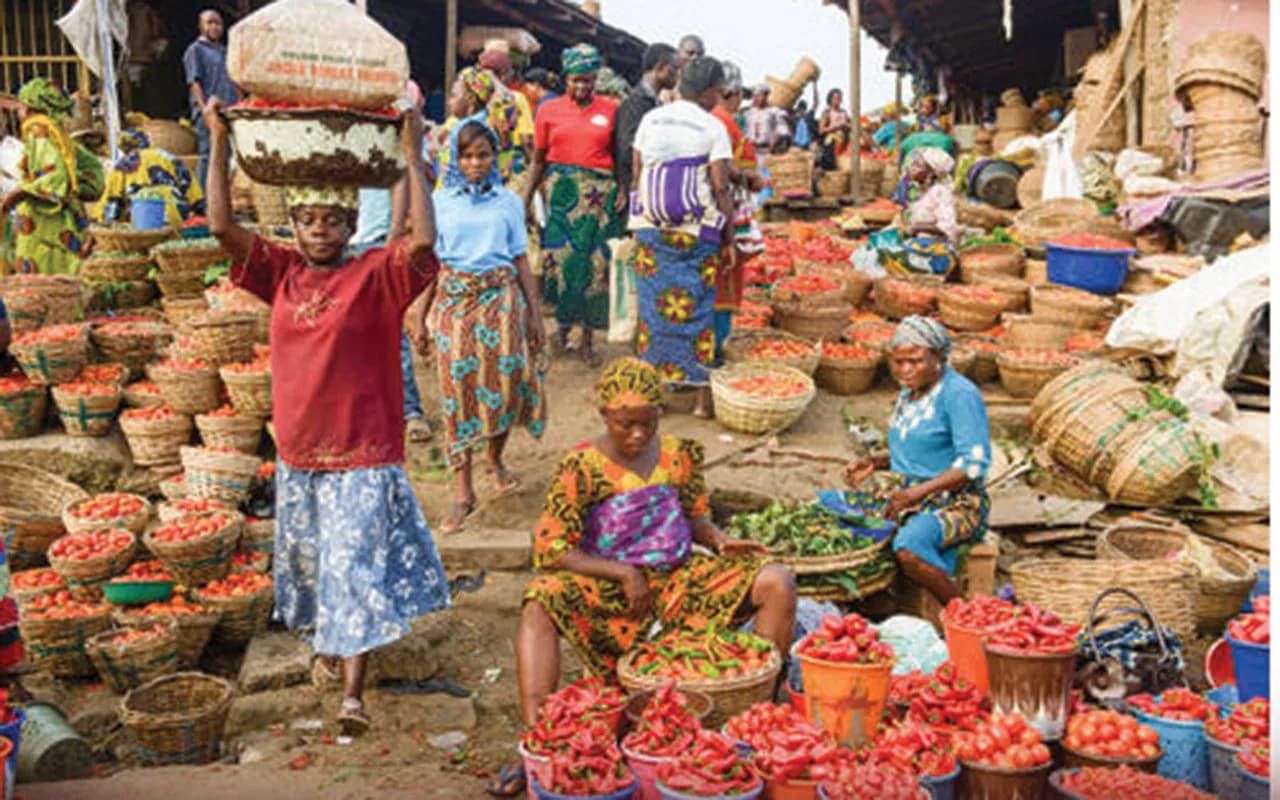
Furthermore, key staples like garri a cassava-based product consumed across Nigeria have skyrocketed in price, going from ₦700 to ₦2,400 per paint, marking a 243% increase. Similarly, tomatoes, a common ingredient in many Nigerian dishes, now sell for ₦1,500 per paint, a 200% rise from the ₦500 price point a year ago.
The price of palm oil has also risen sharply, with a 25-litre keg now costing ₦12,000, up from ₦8,000. Other staple items like potatoes and flour have similarly jumped, with potatoes doubling in price to ₦1,000 per kilogram, while a 50kg bag of flour has increased by 33%, now costing ₦60,000
The overall inflationary effect stems from the direct relationship between transportation and the distribution of food products. Higher fuel prices translate to increased logistics costs, which in turn have caused steep rises in the price of goods. With petrol now surpassing ₦1,500 in many regions, consumers are feeling the strain, leading to a significant reduction in food consumption or a shift towards cheaper alternatives.
As the cost of living continues to soar, there have been widespread calls for the government to introduce relief measures to ease the growing burden on households. Rising food prices, combined with soaring transportation and utility costs, have led to an increased poverty rate, with many Nigerians cutting back on basic necessities.
This persistent inflationary pressure highlights the urgent need for governmental action, such as subsidies or price controls, to mitigate the devastating effects of the fuel price hike on the average citizen.
The latest fuel price increase has compounded Nigeria’s food crisis, with the prices of essential items like rice, beans, yams, and garri rising to unprecedented levels. The high cost of petrol has had a cascading effect on food prices, pushing many households to their limits. Without prompt intervention, the economic strain on the average Nigerian is set to worsen, with far reaching social and economic consequences.