

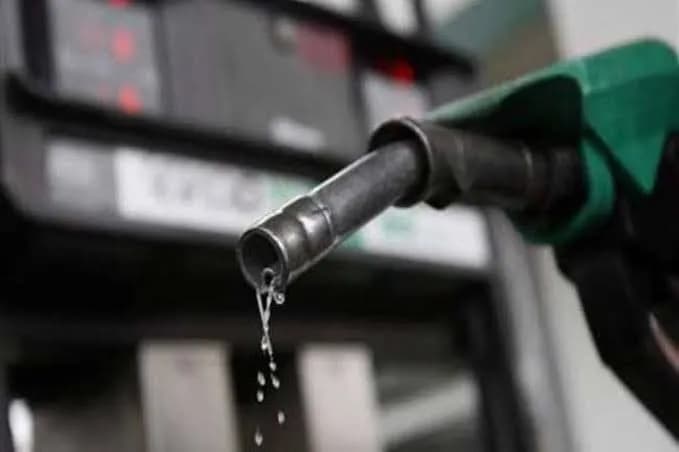
Across Nigeria, from Lagos markets to small shops in Jos, small business owners are fighting to stay afloat. The sharp rise in petrol and diesel prices is choking their operations, shrinking profits, and forcing many to shut down. What once were thriving bakeries, tailoring shops, beauty salons, and roadside eateries are now barely surviving or already closed.
At the centre of this crisis is one recurring problem: fuel price volatility.
Fuel Price Reality in 2025
In July 2025, Nigeria’s fuel market remains unstable. Dangote Petroleum Refinery, now a major supplier of Premium Motor Spirit (PMS), has pegged its current ex-depot price at ₦840 per litre. Meanwhile, private depots are selling between ₦860 and ₦880 in key cities like Lagos and Port Harcourt. In Abuja, fuel hits ₦950/litre, and in some rural areas, it crosses ₦1,000/litre at the pump.
Just two years ago, Nigerians paid ₦257/litre before subsidy removal in May 2023. Today, businesses are grappling with a 300–400% price increase in energy costs, with diesel now over ₦1,700/litre.
These constant price swings make business planning nearly impossible. Aisha Mohammed, a tailor in Lagos, put it plainly:
“I don’t know how much fuel will cost tomorrow, so how do I price my jobs today?”
Small Businesses Buckling Under Fuel Burden
Nigeria’s over 39 million small and medium enterprises (SMEs) contribute nearly 50% of GDP and employ over 80% of the workforce. But rising fuel costs are threatening their survival.
1. Powering Through With Generators
With erratic public electricity, most small businesses rely on petrol or diesel generators. But at these prices, fuelling a gen is no longer sustainable.
Chinedu Okeke, a baker in Enugu, explained:
“Before, I ran my oven and delivery van daily and still made a profit. Now, with PMS at ₦945/litre, my profit is gone. I’m spending 30–40% of my income just on fuel.”
The effect ripples through production. As energy eats into operating budgets, prices of raw materials like flour, sugar, and packaging also shoot up due to costlier transport.
2. Transport and Logistics in Crisis
Transport is another area in distress. Fuel price hikes have more than doubled the cost of moving goods from one state to another.
Fatima Ibrahim, a textile trader in Lagos, said:
“I used to pay ₦5,000 to bring in fabrics from Kano. Now it’s ₦12,000. I can’t pass the cost to customers—they won’t buy. So I lose money.”
Delivery businesses and SMEs that depend on logistics are either slashing operations or charging more and losing clients.
3. Customers Can’t Spend Anymore
As fuel prices drive general inflation, households are tightening their budgets. Discretionary spending on haircuts, clothing, pastries has dropped dramatically.
Mercy Nwosu, a salon owner in Abuja, shared:
“People used to come weekly. Now, I barely see them once a month. They say they need to buy food and fuel to get to work.”
The Central Bank’s latest inflation perception survey confirms this trend: most respondents blame high energy and transport costs for Nigeria’s steep inflation curve.
4. Fuel Scarcity Wastes Time and Kills Productivity
Apart from high prices, scarcity remains a recurring nightmare. Many small business owners spend hours in queues, losing valuable time and customers.
Daniel Eke, who runs a small printing business in Port Harcourt, recalled:
“In April, I couldn’t print anything for two days because there was no fuel. I lost two big clients.”
Industry Pressure and Temporary Relief from Dangote
The Dangote Refinery, which began local petrol supply in early 2024, has helped reduce reliance on imports. By Q1 2025, fuel imports fell by 54%, and Dangote slashed ex-depot prices multiple times—from ₦950/litre in April to ₦840 in July.
The refinery also plans to launch CNG-powered fuel distribution this August, targeting ₦1.7 trillion in annual savings. The Federal Government’s naira-for-crude policy, which sells crude to local refiners in naira instead of dollars, aims to reduce forex pressure and eventually stabilise fuel prices.
However, these gains haven’t fully reached small businesses. International oil price shocks like the Israel-Iran conflict and weak naira recovery still keep landing costs high.
Real Stories, Real Struggles
Yusuf Bello, a poultry farmer in Kano, had to shut down operations:
“I couldn’t power my incubators anymore. Fuel was eating up my profit. I let all my workers go.”
Mama Tolu, a food vendor in Ogun State, now uses firewood instead of gas or petrol:
“Customers complain about the smoke, but I can’t afford gas. It’s either this or I stop cooking.”
These aren’t isolated stories. Across Nigeria, business closures are rising. According to IPMAN, fuel price hikes in June alone forced many filling stations to operate at a loss or shut down altogether.
What Needs to Happen
Experts and business leaders agree: without urgent intervention, Nigeria’s SMEs may collapse. The Centre for the Promotion of Private Enterprise (CPPE) has urged the government to:
- Offer targeted subsidies for SMEs
- Support low-cost renewable energy access
- Expand the naira-for-crude policy
- Fast-track the CNG distribution model nationwide
While Dangote’s price cuts are a step forward, long-term solutions must tackle energy reform, forex stability, and transparent regulation in the downstream sector.
A Nation at Risk
Fuel prices in Nigeria are no longer just about filling tanks they now determine who stays in business and who shuts their doors. For millions of small business owners, fuel is the make-or-break factor.
Until the government delivers concrete relief and energy alternatives, Nigeria’s small businesses will continue to bleed silently, one pump price at a time.
“We are not lazy,” Chinedu Okeke, the baker, added. “We just need fuel to work, not fuel to destroy us.”