

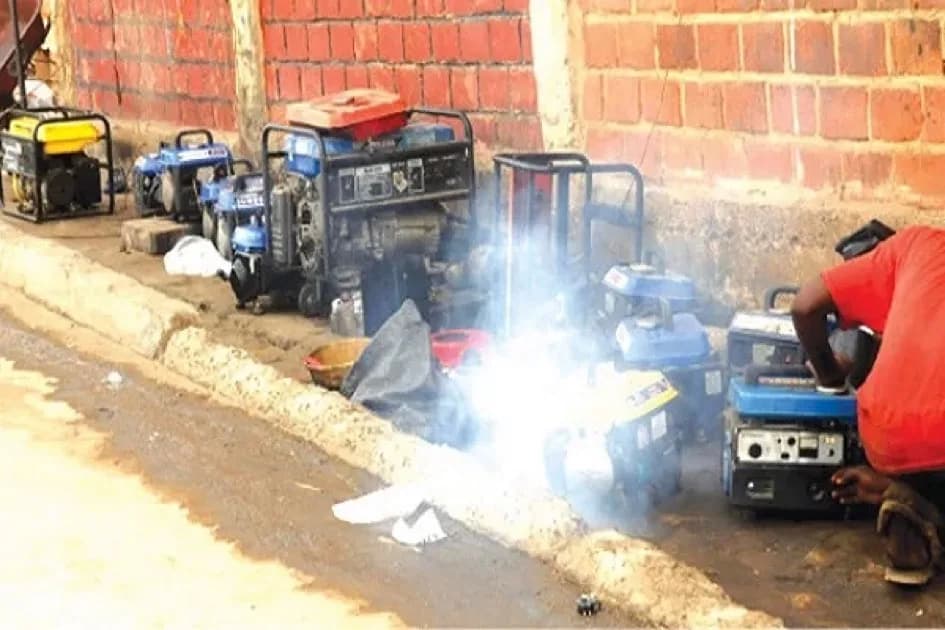
Safety authorities have reinforced generator refuelling guidelines following a rise in residential fire incidents, with new data indicating that unsafe handling practices remain the dominant cause of outbreaks.
The Lagos State Fire and Rescue Service disclosed that about 95 per cent of fire incidents in Lagos are linked to unsafe acts and lack of public awareness, based on findings from ongoing investigations. The agency’s Director, Margaret Adeseye, stated that most cases are preventable and often occur during routine activities such as generator refuelling and fuel storage.
The disclosure was made during a public safety walk and the inauguration of the Lagos State Fire Marshals initiative in Alausa, part of efforts to deepen awareness and reduce fire risks across communities. Authorities say the programme is designed to equip residents with basic fire prevention knowledge and first response skills.
In parallel, the Federal Fire Service has reiterated nationwide safety measures, noting that improper generator refuelling remains a recurring trigger in home fire incidents, especially in areas with heavy reliance on petrol powered generators.
Refuelling Risks and Safety Measures
Authorities identified common risk factors, including refuelling generators while still running or hot, handling petrol near open flames, and storing fuel in unsafe or enclosed spaces. These conditions, they say, increase the likelihood of ignition due to vapour build up and exposure to heat sources.
To address this, households and businesses are advised to switch off generators completely and allow engines to cool before refuelling. Refuelling should be carried out outdoors or in well ventilated areas, away from sparks, naked flames, and electrical sources.
The agencies also stressed the importance of using approved fuel containers to minimise static discharge and prevent spills. Generators should be placed on stable ground, positioned away from buildings, and never refuelled in confined or low lying areas where vapours can accumulate.
Additional precautions include ensuring fuel caps are securely tightened after refuelling, avoiding transportation of generators with exposed fuel, and keeping fire extinguishers within reach. Users are also encouraged to ground containers during fuel transfer to reduce static electricity risks.
Authorities noted that beyond safety, poor fuel handling practices can affect generator performance, with contaminated or degraded fuel contributing to operational failures and increased fire hazards.
Officials emphasised that public awareness remains the most effective tool in reducing fire incidents, urging residents to adopt safe refuelling habits and participate in ongoing safety education programmes. They added that strengthening community level response through trained fire marshals is expected to further reduce the frequency and impact of fire outbreaks across Lagos and beyond.