

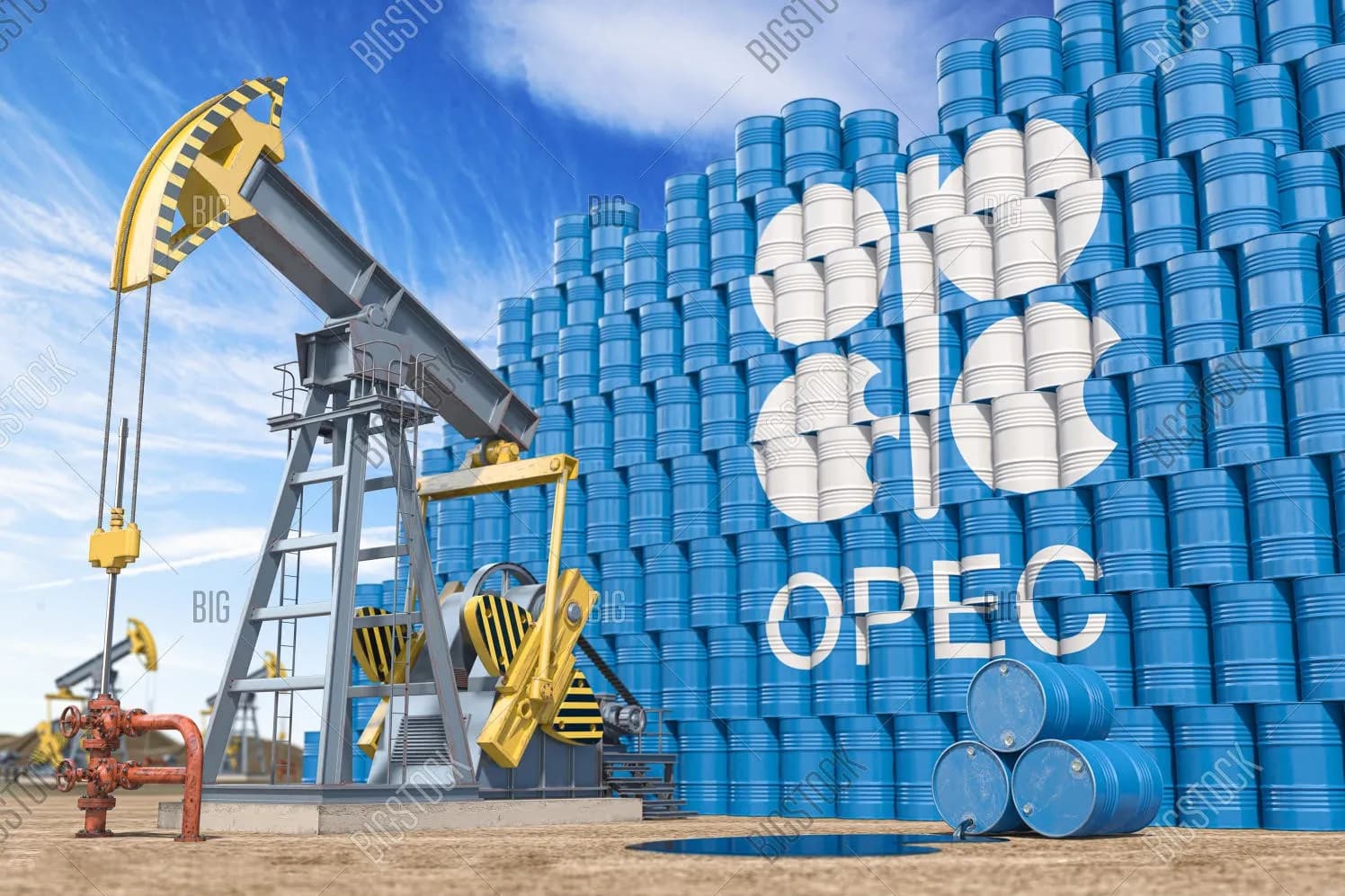
Global oil prices rebounded sharply today, recovering from recent shocks triggered by OPEC+’s decision to unwind production cuts faster than anticipated. The market upswing coincides with a fluctuating price war across Nigerian depots, underscoring the volatility in both global and domestic fuel supply chains.
Brent, WTI and Murban Surge as Markets Digest OPEC+ Shift
As of Tuesday, global oil prices climbed decisively. Brent Crude rose by 3.59% to $62.39 per barrel, while WTI Crude jumped 3.90% to $59.36. Murban Crude also rallied by 4.39% to reach $62.59. In contrast, Natural Gas fell 2.68% to $3.455, reflecting diverging energy market fundamentals.
This surge comes after OPEC+ revealed plans to accelerate the rollback of its output cuts by an additional 411,000 barrels per day in June. The cartel’s strategy, spearheaded by Saudi Arabia, aims to regain lost market share amid growing competition from non-OPEC producers.
Oil Majors Hold Steady Despite Market Whiplash
Despite a more than $10 per barrel decline in global oil prices since early April, most oil majors have refrained from adjusting their capital expenditure plans. ExxonMobil reported a $7.7 billion profit down 7% year on year while maintaining its $27–29 billion capex guidance. Shell, Chevron, and TotalEnergies followed suit, signalling resilience.
BP was the outlier, trimming its forecast to $14.5 billion and warning of further cuts if prices dip further. Analysts caution that BP may struggle to sustain dividends if Brent remains below $71 per barrel, while Shell appears more comfortable with its $48 per barrel breakeven.
Nigerian Depots Reflect Localised Price Battles
While global oil prices showed signs of recovery, depot prices across Nigeria demonstrated a more complex dynamic. The Petrol Motor Spirit (PMS) and Automotive Gas Oil (AGO) markets reflect region-specific fluctuations:
PMS Depot Prices – 5th & 6th May 2025
Lagos
- AA Rano: ₦839 → ₦838
- Dangote: ₦839 → ₦837.5
- Rain Oil: ₦842 → ₦839
- Eternal: ₦840 → ₦839
Warri
- Rain Oil: ₦860 → ₦859
- AYM Shafa: ₦860 → ₦855
Calabar
- Mainland: ₦874 (steady)
Port Harcourt
- Sigmund: ₦868 → ₦866
- Liquid Bulk: ₦870 → ₦867
AGO Depot Prices – 5th & 6th May 2025
Lagos
- Menj: ₦940 → ₦930
- Dangote: ₦940 → ₦937
- Ibeto: ₦940 → ₦930
- Nipco: ₦955 → ₦940
Warri
- Optima: ₦987 → ₦982
- Pinnacle: ₦987 → ₦981
Port Harcourt
- Bulk Strategic: ₦997 → ₦996
The downward trend in AGO prices, especially in Lagos and Warri, signals heightened competition among suppliers. In contrast, Port Harcourt maintains a price premium, likely due to higher logistics and terminal costs.
Uncertainty Looms Despite Temporary Recovery
Though global oil prices have rebounded, markets remain fragile. Traders are eyeing potential US-China trade negotiations, but doubts persist over the substance behind the headlines. Should talks falter, Brent could again test the $60 floor.
Today’s market reflects a world still grappling with post-pandemic demand realignment and geopolitically charged energy strategies. While global oil prices soar on short-term momentum, underlying tensions in local markets like Nigeria hint at prolonged structural challenges. As both global and domestic players adapt, volatility will likely define the energy landscape through Q2 2025.