

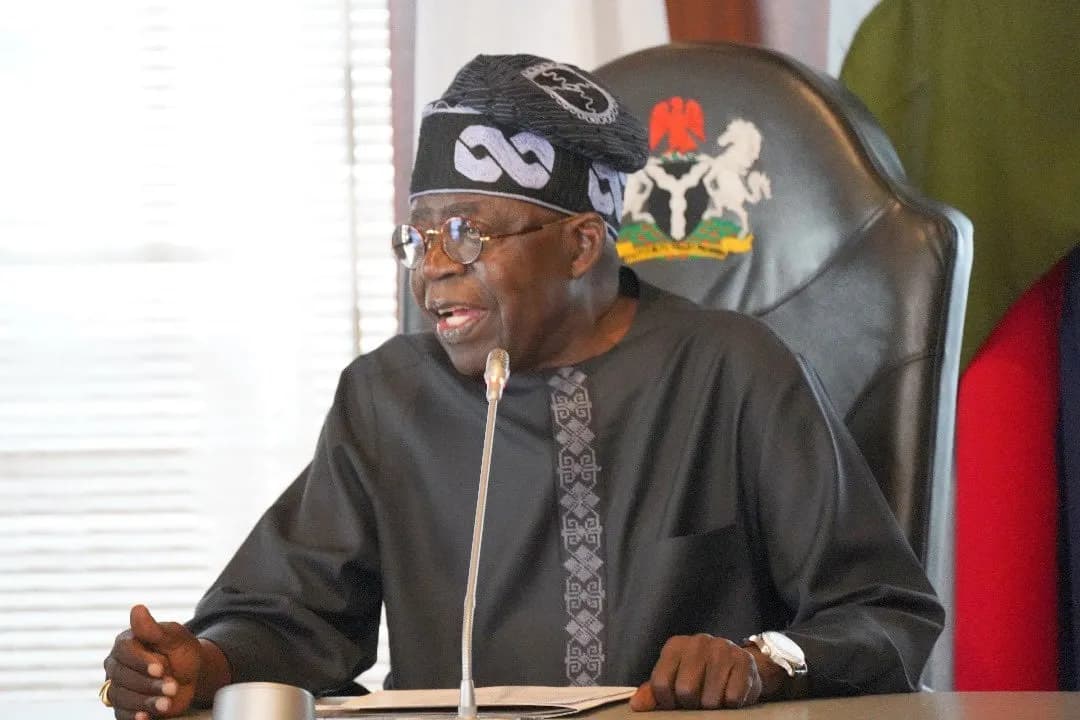
Since May 2023, when President Bola Ahmed Tinubu scrapped petrol subsidy, Nigerians have been groaning under the weight of soaring costs. Transport fares, food, rent, and consumer goods climbed sharply, leaving families battling to survive. Yet, the decision turned into a windfall for state governments.
Governors of the 36 states and the FCT minister receive monthly allocations swollen by funds once spent on subsidy. In 2024 alone, governors shared ₦5.22 trillion—45.5% higher than the previous year—while local governments got a staggering 96% increase. Despite the Supreme Court’s ruling on financial autonomy, governors still control local government funds.
Imo State Governor Hope Uzodimma even admitted in January: “It [subsidy removal] is a direct blessing … because more monies are now coming to states.”
Rising Revenues, Declining Welfare
While governors celebrate record allocations, ordinary Nigerians see little relief. Out of 36 states, only 10 have begun paying the ₦70,000 minimum wage. Millions of workers survive on outdated salaries despite inflation crushing household incomes.
Health care remains neglected. Citizens pay out-of-pocket for drugs, while rural communities lack doctors and basic facilities. Public schools suffer from dilapidated classrooms, missing libraries, and poorly equipped laboratories. Roads across Nigeria remain broken, while farmers face bandit attacks and soaring input costs without meaningful support.
Instead of investing in essentials, governors divert billions to vanity projects. From opulent government house renovations to unnecessary flyovers, experts estimate at least ₦200 billion wasted. Behind the scenes, more funds vanish into phantom projects invisible to the public eye.
Who Holds Governors Accountable?
The National Assembly empowered state legislatures under Sections 128, 129, and 188 of the Constitution to investigate, summon, and even impeach governors for financial mismanagement. Yet, most Houses of Assembly remain docile, compromised, or intimidated.
Tinubu’s subsidy removal was presented as reform, but without accountability, it only enriched governors at the citizens’ expense. In other nations, such windfalls strengthen sovereign wealth funds, subsidise transport, improve hospitals, or expand schools. Nigeria, instead, faces reckless spending and growing inequality.
The Nigerian Governors Forum must urgently redirect these funds to public welfare. Investments in health, education, infrastructure, agriculture, and jobs are critical. Otherwise, governors will keep squandering trillions on luxury, foreign trips, and property abroad—while Nigerians struggle with hunger and despair.