

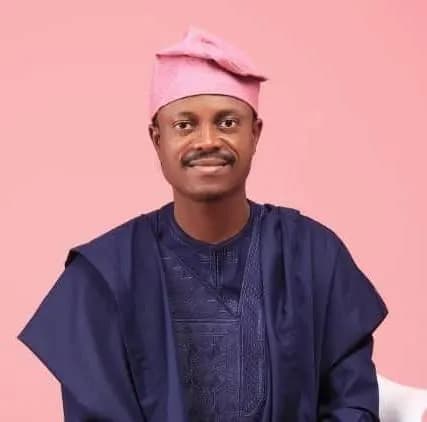
Product diversion by truck drivers during haulage, not supply failures at depots, is the primary driver of petroleum shortages in Nigeria's distribution chain, the Depot Manager at Bono Energy Storage Terminal, has said.
Engr. Andrew Emuze made this assertion in an interview with Petroleumprice.ng, where he also spoke on safety improvements along the Apapa corridor, the implications of Dangote Refinery's growing loading capacity, and what he described as an urgent need for improved financing for terminal operators.
As depot manager, what are the biggest operational challenges you face?
The biggest challenge has been supply, the availability of petroleum products. You cannot give what you do not have, and for a product to be marketable it must be competitive. That has been the defining challenge. Things seem to be easing somewhat on this side, and I hope it continues.
There have been recurring concerns about product shortages at some depots. What is being done to address this?
Petroleum distribution is a value chain with three stages: the load port, which are the depots and terminals; the haulage process, handled by transporters; and the destination, wherever the product is going. Shortages can occur at any of these points.
At the depot level, shortages are actually minimal. The NMDPRA has personnel on site at every facility at all times. Loading meters are recalibrated periodically, and those recalibrations are monitored and certified by the authority. That part of the chain is fairly well managed.
Where the real problem lies is haulage. Trucks load from terminals and park along roadsides, selling to black marketeers. Monitoring a truck over a two to three day bridge journey is enormously difficult, and that difficulty drives the high incidence of product diversion we have seen. The more distant the destination, the worse it gets.
Safety remains a major concern along the Apapa corridor. What measures are being introduced to reduce accidents and hazards?
Safety is everyone's business, terminal operators, off takers, truck drivers, and government agencies. We all have a role.
The government's responsibilities are legislation, regulation, and road infrastructure. The bad roads that contributed to accidents around the corridor in the past have largely been addressed. Road Safety officials are now stationed at terminals, inspecting trucks before departure. The Safe Road Programme introduced some years ago has statistically reduced accidents on Nigerian roads.
On our part as terminal operators, every member of staff at my facility, regardless of position, has attended the MOSDO (Minimum Operating Safety Data for Oil) training, renewed every two years. We conduct regular HSE drills, both internal and joint drills involving other stakeholders, including the transporters. These efforts have improved the safety picture considerably against what was the norm a few years ago.
Projections suggest Dangote Refinery could load over 1,000 trucks daily. Do you see this as competition or collaboration?
Both, and I do not view either negatively. Competition, when fair, stimulates growth and drives innovation. A monopolistic market has never ended well anywhere in the world.
Some marketers are already sourcing products from Dangote and linking to coastal facilities, and it is working well. That widens the distribution network and introduces competitive pricing, it benefits the Dangote operation, the marketers, and ultimately the masses.
The industry should look at Dangote as a partner in growth, not an albatross. If collaboration is managed well, turnaround times improve, pricing becomes more competitive, and the market expands for everyone.
Truck loading fees, particularly PTD charges, remain a sensitive issue. How are depot managers ensuring they do not become excessive?
When concerns about incorrect charges are brought to our attention, we convene meetings with the relevant parties, including the PTD branch, and investigate. Where excesses are found, corrections are made and the appropriate fees enforced. There will always be individuals who attempt to exploit those unfamiliar with the correct charges. When that comes to our attention, it is addressed.
What reforms or investments are most urgently needed across Nigeria's depot system?
Supply must continue to improve, that is the foundation. The more depots operate at meaningful volumes, the more revenue they generate, and the more that can be reinvested into facilities, training, and staff welfare.
Access to financing is the second critical need. Terminal operators must be able to access funds for importation and expansion. Without it, supply improvement remains theoretical. Deeper collaboration between operators, regulators, and government agencies across the value chain is equally important.
What is your message to marketers, transporters, and Nigerians concerned about product availability and safety?
On pricing: support competition. The more open the market is, the more downward pressure there is on price, and that is how the masses benefit.
On safety: do not wait for someone else to train you. Information on fire prevention, firefighting basics, and journey management is available, access it. And do not drink and drive. If you are unwell, you should not be behind a wheel. These are things individuals can commit to without waiting for regulation.
If we get supply right, get competition right, and get safety consciousness right, the sky is our starting point.