

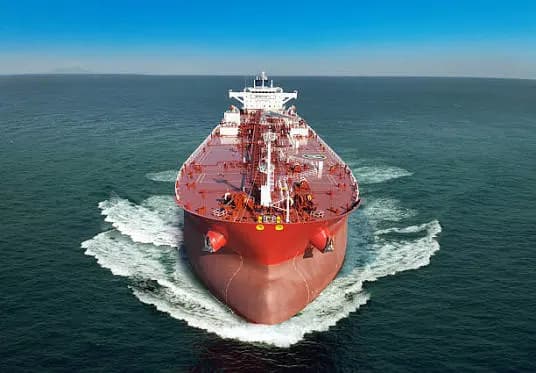
A surge in demand for oil tankers is emerging as one of the clearest market consequences of the gradual reopening of the Strait of Hormuz, with shipping costs climbing sharply as producers and refiners race to reposition cargoes delayed by months of disruption in the Persian Gulf.
While crude oil prices have retreated in recent days on expectations of improved Middle Eastern supply flows, the shipping market is moving in the opposite direction. Industry data cited by Reuters indicates that freight rates for vessels operating in the Gulf have risen dramatically as available tanker capacity struggles to keep pace with renewed demand.
The increase comes as oil producers across the Gulf seek to move crude volumes that accumulated during the period of restricted traffic through the strategic waterway.
Market participants say the imbalance between available vessels and growing transportation demand has pushed tanker earnings to some of the highest levels seen since the crisis began.
According to Reuters, the cost of chartering tankers in the Gulf region has climbed from roughly $106,000 per day a week ago to more than $190,000 per day. Earnings for some Very Large Crude Carriers (VLCCs) transporting crude through the Strait of Hormuz have reportedly approached $470,000 per day.
The sharp increase reflects lingering logistical constraints despite progress toward restoring navigation through the waterway.
Although Iran eased restrictions on maritime traffic following the recently announced 60-day ceasefire arrangement with the United States, shipping activity remains below pre-conflict levels.
Before hostilities disrupted regional trade earlier this year, approximately 125 vessels transited the Strait of Hormuz daily. Current movements remain significantly lower, according to shipping market assessments.
At the same time, a substantial backlog of cargoes remains inside the Gulf. Industry estimates suggest that around 100 tankers loaded during the conflict period are still awaiting normal trading conditions to complete their journeys.
The reopening process has coincided with renewed export activity from major Gulf producers.
The Abu Dhabi National Oil Company (ADNOC) has reportedly increased crude marketing activity as buyers return to the market, while refiners in major consuming nations, including India, are seeking additional Middle Eastern supplies after months of relying on alternative sources.
The resulting scramble for shipping capacity has tightened vessel availability across key routes.
Analysts note that the divergence between oil prices and tanker earnings highlights the different ways markets are responding to the easing of tensions in the region.
While crude benchmarks have come under pressure from expectations of stronger supply, freight markets continue to reflect operational bottlenecks and limited vessel availability.
Brent crude was trading around $77 per barrel on Tuesday as traders assessed the prospect of additional barrels reaching international markets. However, the transportation sector remains constrained by the slow pace of traffic normalization through the world's most important oil transit corridor.
As long as vessel supply remains limited and stranded cargoes continue to re-enter the market, tanker owners are expected to remain among the primary beneficiaries of the post-crisis recovery in Gulf oil trade.