

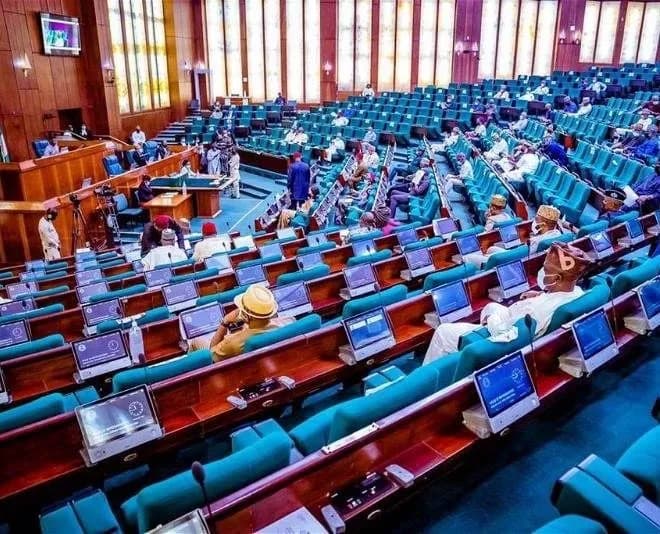
The House of Representatives Committee on Petroleum Resources (Downstream) has initiated an investigation into the Turn Around Maintenance (TAM) of Nigeria’s four state-owned refineries. This action follows persistent concerns over the $18 billion already invested in TAM projects that, so far, have failed to deliver the expected results.
Just days earlier, the House Committee on Petroleum Resources (Midstream) had made a similar commitment to uncover why the refineries remain largely non-functional despite the heavy spending.
Speaking during a press conference on Wednesday, the Chairman of the Downstream Committee, Hon. Ikenga Ugochinyere (PDP, Imo), expressed deep concern over the recent shutdown of the Port Harcourt and Warri refineries. Notably, the shutdown occurred only a few weeks after both facilities resumed operations.
According to him, the committee will thoroughly examine the failure of the maintenance process. This is particularly important, he said, because the contractor in charge has a longstanding reputation for delivering quality service.
Technical Sub-Committees Formed to Address Sectoral Challenges
To address the broader problems affecting the downstream sector, the committee has set up several technical sub-committees. These teams, he explained, are expected to fast-track ongoing legislative referrals and tackle unresolved issues that threaten the sector’s stability and growth.
Among the areas of focus are:
- Allegations surrounding Dangote Refinery’s possible takeover of petroleum product transportation and retail distribution.
- The current condition of the refineries and outcomes of their turnaround maintenance.
- Complaints from staff of the Nigerian National Petroleum Company Limited (NNPCL) Retail related to the OVH acquisition;
- Lack of feedstock to modular refineries;
- Strategies to boost small and modular refining activities;
- Proposed amendments to the Petroleum Industry Act (PIA) aimed at enhancing the regulatory powers of the Nigerian Midstream and Downstream Petroleum Regulatory Authority (NMDPRA);
- The potential integration of artisanal refiners into the formal refining ecosystem.
Furthermore, Ugochinyere emphasized that the formation of these sub-committees reflects a genuine effort to restore operational efficiency, fairness, and sustainability across the downstream sector. “We remain committed,” he noted, “to pushing for real reforms that will make the sector stronger and more viable for all stakeholders.”
Committee Considers PIA Amendments, Addresses NMDPRA Petition
Meanwhile, the committee is also exploring amendments to the Petroleum Industry Act. These changes, he said, would address emerging regulatory gaps and help reposition the industry to meet evolving challenges. The sub-committees are expected to submit reports in the coming weeks as part of the House’s broader legislative overhaul.
In response to a recent petition calling for the dissolution of the NMDPRA, Ugochinyere disclosed that the committee had decided to reject the request. He clarified that the PIA places the power of appointment and removal of agency heads in the hands of the President. “We cannot return to a system where every new government dismisses officials arbitrarily,” he stated.
He further assured the public that the committee would not protect any official found to be involved in corrupt practices. “The law must take its course,” he said. Additionally, he pledged that the 10th House would resist any attempts to create monopolies in the oil and gas sector, as such practices run counter to the interests of Nigerians.