

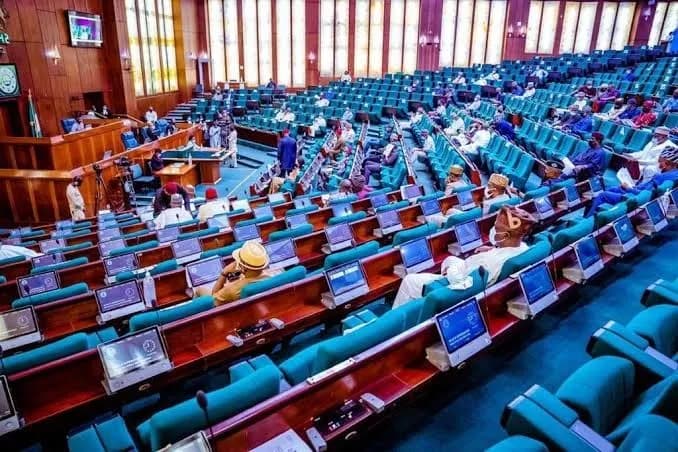
The House of Representatives is advancing legislation that could shift control of Nigeria’s oil and gas resources from the federal government to state governments. If passed, this bill would significantly alter the governance structure of the country’s natural resources.
On Wednesday, the proposed legislation passed its second reading in the House, with Deputy Speaker Benjamin Kalu presiding. The bill, titled: “An Act to Amend the Constitution of the Federal Republic of Nigeria, 1999, to Decentralize the Governance of Natural Resources and Transfer Mines and Minerals, Including Oil Fields, Oil Mining, Geological Surveys, and Natural Gas from the Exclusive Legislative List to the Concurrent Legislative List and for Related Matters”, has now been referred to the House Committee on the Review of the 1999 Constitution (as amended).
Key Proponents and Legislative Changes
This significant constitutional amendment is being championed by Speaker Hon. Abbas Tajudeen, House Minority Leader Kingsley Chinda, Gaza Jonathan Gbefwi, and Ikeagwuonu Onyinye Ugochinyere. The proposal is part of a broader effort to devolve powers, with seven additional bills under consideration. These related bills seek to amend the Second Schedule of the Constitution to transfer certain responsibilities such as fingerprint identification, criminal records, road tolls, and non-Trunk A road construction from the Exclusive Legislative List to the Concurrent Legislative List.
Other bills in this legislative push aim to decentralize tourism governance, move quarantine regulations to the Concurrent List, and grant states greater authority over water resources for domestic, commercial, industrial, irrigation, and power-related purposes.
Implications and Further Considerations
One of the most notable provisions in this legislative package involves financial autonomy for local governments. The proposal seeks to establish an independent consolidated local government council account, ensuring direct financial control for local governing bodies.
As the bill progresses through legislative stages, its potential impact on Nigeria’s resource governance and economic structure will be closely monitored by stakeholders across all levels of government and industry.