

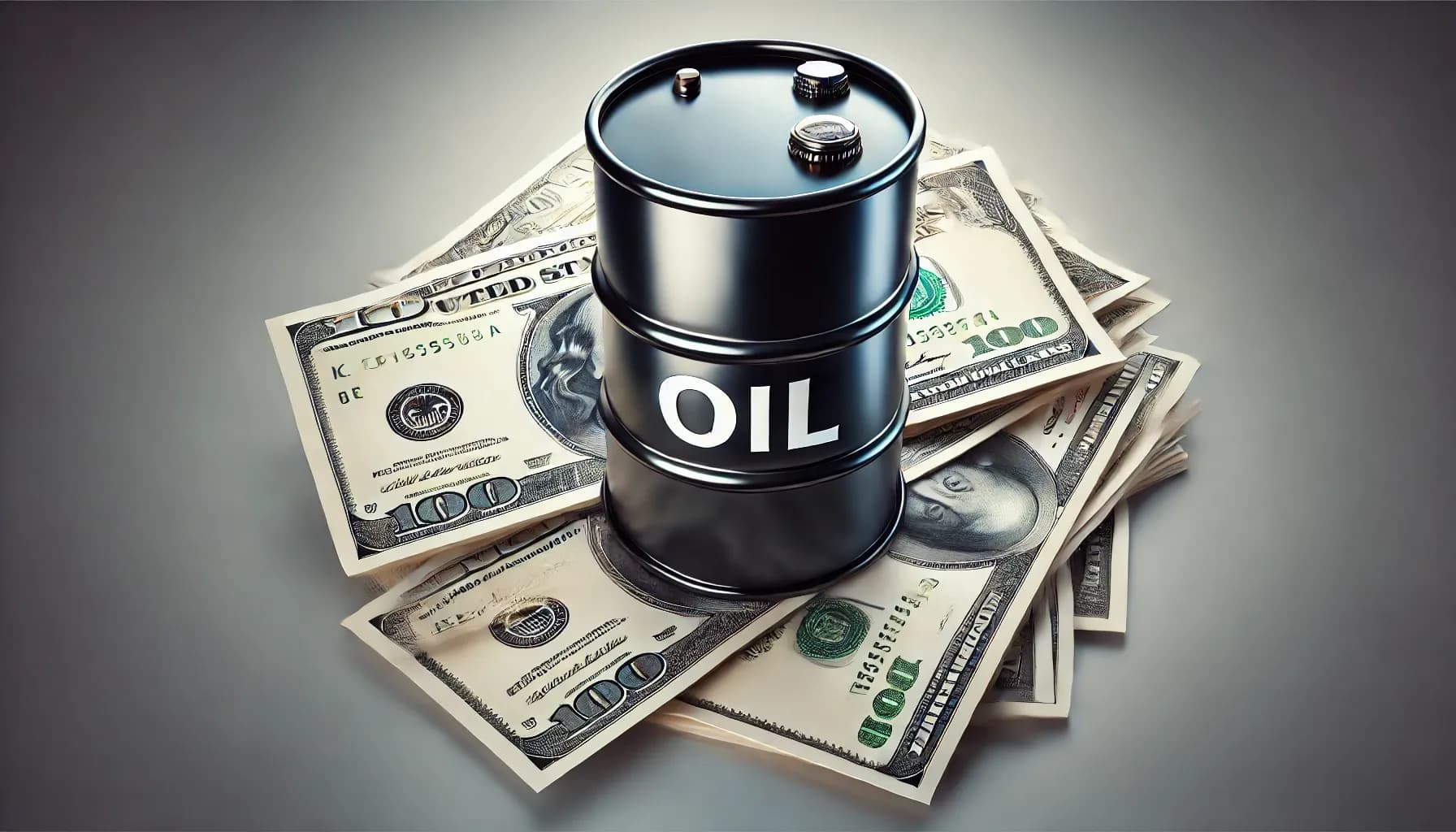
If you’ve ever wondered why fuel prices change so often in Nigeria even when global oil prices are steady the answer often lies in one critical factor: the exchange rate. While crude oil itself is extracted in Nigeria, the fuel most Nigerians use daily petrol (PMS), Aviation Fuel (ATK) , kerosene (DPK), and cooking gas (LPG) is still deeply tied to the value of the naira against the U.S. dollar.
In a country where nearly everything in the downstream petroleum value chain depends on foreign currency, the exchange rate is more than just a banking term it’s a direct driver of the cost of living.
Why the Dollar Price of Fuel Matters in Nigeria
Global oil trade runs on the U.S. dollar. Whether Nigeria is importing refined products or pricing crude for local refineries like Dangote, the transaction happens in dollars. Even the ships that carry the products, the insurance that protects them, and the spare parts that keep depots running are paid for in foreign currency.
So when the naira loses value, it takes more naira to buy the same amount of product, which automatically raises the cost of getting fuel from the source to your tank.
Example:
If PMS costs $600 per tonne and the exchange rate is ₦1,300/$, a marketer pays ₦780,000 per tonne.
If the naira weakens to ₦1,600/$, the same cargo now costs ₦960,000 a ₦180,000 difference without any change in international oil prices.
The Direct Impact on Fuel at the Pump
Fuel marketers don’t operate on charity they pass on the cost to depot marketers and filling stations. The moment the naira weakens, depot prices increase, and that eventually reaches the pump.
In early June 2025, the naira hovered between ₦1,568/$ (CBN rate) and ₦1,610/$ (parallel market). At the same time, depot prices reflected this trend:
- PMS at Dangote moved from ₦827 to ₦828
- AGO at NIPCO jumped from ₦913 to ₦925
- ATK and LPG saw mixed movements depending on region and stock levels
These slight but consistent increases affected transport fares, business logistics, and household fuel budgets. For many Nigerians, this translated into higher food prices, costlier ride-hailing fares, and even more expensive school runs.
Dangote Refinery: A Game Changer or Still Dollar-Dependent?
Many Nigerians had hoped the Dangote Refinery would shield the country from forex volatility. But even though it refines fuel locally, the refinery still buys crude oil in U.S. dollars from both international and domestic sources.
Why? Because under Nigeria’s Petroleum Industry Act (PIA), local producers are allowed to sell crude oil to Dangote at export parity pricing which is benchmarked in dollars.
This means even local fuel production carries indirect forex exposure, at least until naira-backed crude contracts become more widespread.
Broader Economic Effects of Forex-Fuel Link
The link between exchange rates and fuel costs extends far beyond the pump:
- Transport & Logistics: Higher diesel prices drive up delivery costs, affecting everything from food to cement.
- Manufacturing: Factories reliant on diesel generators see a rise in production costs.
- Households: Generator use increases electricity bills as PMS and AGO prices climb.
- Inflation: Higher fuel costs push up inflation, eroding salaries and savings.
In 2024, fuel-related inflation contributed up to 30% of Nigeria’s core inflation, according to National Bureau of Statistics (NBS) estimates.
Can Nigeria Break This Cycle?
Experts say there are a few key steps Nigeria must take:
- Boost Local Refining Capacity
Full-scale production from Dangote and other modular refineries can reduce the volume of imported refined products, limiting dollar demand. - Strengthen the Naira
Improving non-oil exports (like agriculture, tech, and manufacturing) can help Nigeria earn more foreign currency and ease pressure on the naira. - Adopt Naira-Crude Contracts
Encouraging local crude-for-refinery deals in naira could help decouple fuel prices from dollar shocks. - Improve Fuel Price Transparency
Regulatory bodies like NMDPRA should publish clear price build-ups so Nigerians can understand how forex and other factors affect pricing.
Final Word
Fuel prices in Nigeria are not just about oil they are about money, and more specifically, the strength of the naira. As long as Nigeria depends on dollar-priced fuel systems, even the smallest movement in exchange rates will continue to ripple through every aspect of national life.
Until the naira stabilises and local refining becomes the true backbone of supply, exchange rates will remain one of the biggest forces driving pump prices and shaping the economy.