

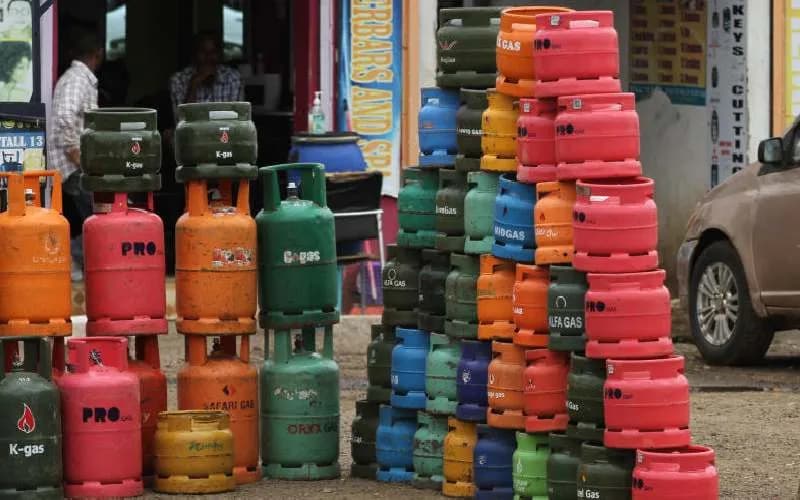
The price of cooking gas in Nigeria, specifically the popular 12.5 kg cylinder, varies significantly across the country, influenced by location, supply chain dynamics, and market forces. In recent years, Nigeria has seen fluctuations in gas prices due to several factors, including global energy markets, foreign exchange rates, and local infrastructural challenges. Understanding the price of 12.5 kg of gas across urban centres and rural areas provides insight into how economic factors affect both city dwellers and rural households.
12.5 kg Gas Prices in Urban Centres
In major urban centres such as Lagos, Abuja, and Port Harcourt, the price of a 12.5 kg gas cylinder tends to be higher due to the higher cost of living, transportation, and demand pressures. As of the last quarter of 2024, the price for 12.5 kg of gas in these cities averages between ₦18,750 and ₦19,500. Lagos, being the commercial hub of the country, often experiences the highest prices, especially in areas like Victoria Island and Lekki. In Abuja, the nation’s capital, prices hover around the upper range, particularly in upscale neighbourhoods where demand is high and supply is steady.
Port Harcourt, another key urban area, sees slightly lower prices compared to Lagos but remains on the higher end of the national average due to its proximity to the Niger Delta, where much of Nigeria’s gas is sourced. The ease of access to gas supplies can reduce transport costs, though market demand still keeps prices elevated.
Urban Price Trends (Average):
- Lagos: ₦18,750 – ₦19,500
- Abuja: ₦19,000 – ₦20,500
- Port Harcourt: ₦13,000 – ₦15,500
- Asaba : ₦3,700 – ₦5,000
- Kaduna: ₦17,500 –₦19,000
- Calabar: ₦7,412.50 –₦10,000
Gas Prices in Rural Areas
In contrast, rural areas experience more variable pricing for 12.5 kg of gas. Depending on the region and proximity to supply chains, rural households might pay significantly less or, in some cases, more than urban residents. In rural areas of northern and eastern Nigeria, prices for 12.5 kg of gas can range from ₦8,000 to ₦10,500, driven by lower demand and reduced transportation infrastructure. However, the price difference is not always consistent; in remote regions, logistical challenges and transportation costs can drive prices upward.
For instance, in parts of the rural north like Borno and Adamawa states, where gas supply infrastructure is less developed, prices can rise to as much as ₦11,000, reflecting the higher costs associated with transporting gas over long distances. In contrast, rural areas closer to gas depots or production facilities, such as those in the Niger Delta region, benefit from slightly lower prices, with some households paying as low as ₦8,000.
Rural Price Trends (Average):
- Northern rural areas: ₦9,500 – ₦11,000
- Eastern rural areas: ₦8,000 – ₦10,500
- Niger Delta rural areas: ₦8,000 – ₦9,500
Factors Affecting Gas Prices in Nigeria
Several factors play a critical role in determining the price of 12.5 kg of gas in Nigeria:
- Supply Chain Costs: Transportation is a major factor affecting prices, especially in rural areas where road networks are less developed. Urban centres have better access to gas depots and refineries, leading to relatively stable pricing.
- Exchange Rates: Since much of Nigeria’s gas infrastructure relies on imported equipment and parts, fluctuations in the naira exchange rate affect the overall cost of gas, impacting both urban and rural consumers.
- Government Policy: The Nigerian government’s Decade of Gas initiative aims to reduce the cost of gas and increase domestic production. However, the impact of these policies is still unfolding, and consumers in various regions are yet to experience significant relief from high prices.
- Seasonal Demand: The demand for cooking gas rises during certain periods, particularly festive seasons, which can lead to temporary price hikes in both urban and rural markets. In some urban centres, gas prices can spike by up to 10% during high-demand months.
The price of 12.5 kg of gas in Nigeria varies based on location, with urban centres like Lagos and Abuja typically seeing higher prices compared to rural areas. However, rural regions far from supply hubs may also face elevated costs due to transportation challenges. As Nigeria continues to invest in gas infrastructure and implement policies aimed at stabilising prices, it is expected that these variations may decrease, providing more uniform pricing across the country.