

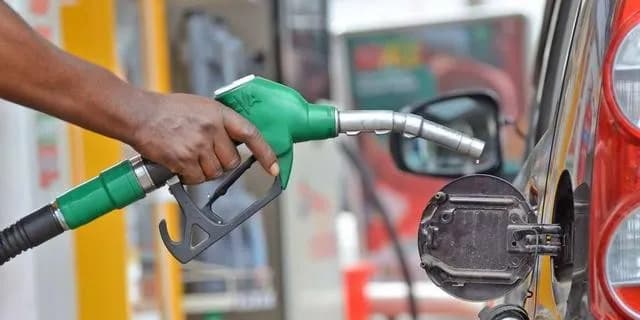
Despite global crude oil benchmarks plunging by over 10% in recent days, pump prices in Nigeria remain elevated hovering between ₦910 and ₦955 per litre across major cities. This disconnect between international oil market trends and local pump prices has sparked consumer frustration. However, a closer look into Nigeria’s fuel pricing structure reveals a deeper, more complex web of supply-chain costs and internal inefficiencies that weigh heavily on final retail prices.
The Anatomy of Pump Pricing
Far beyond the crude oil spot rate, Nigeria’s downstream sector operates on a layered cost framework. Based on verified market intelligence from June 23, 2025, here’s what actually contributes to the current retail price of petrol; N/B these costs are speculative as the actual price may vary due to other factors.
| Component | Estimated Cost (₦/litre) |
|---|---|
| Landing Cost | 880.00 |
| Depot Margin | 12.50 |
| Union Loading Fees | 1.56 |
| Trucking/Haulage | 12.50 |
| Retailer Margin | 12.50 |
| Final Pump Price | ₦919.06 |
1. Landing Cost: The Base Layer
The landing cost, currently at ₦880/litre, reflects the price of imported refined petroleum products, inclusive of international freight, insurance, terminal handling charges, and FX conversion costs. This figure forms the base input cost before distribution begins.
2. Depot Margin: Supply Chain Uplift
Once fuel lands, depot operators especially in Lagos, Warri, and Port Harcourt add a wholesale margin of around ₦10–₦15/litre. This covers warehousing, terminal throughput, and storage risk. With many marketers reliant on third-party depots, this margin remains unavoidable.
3. Union-Imposed Loading Charges: An Industry Bottleneck
A critical and often controversial component is the ₦70,000 per truck loading charge levied by the Petroleum Tanker Drivers Branch (PTD) of NUPENG. This fee, broken down to about ₦1.56/litre for a 45,000-litre tanker, includes payments to PTD, IPMAN, PSW, IBM, Unit dues, and development levies.
Marketers argue that this union-controlled charge lacks transparency and regulation. “It’s a daily drain on our margins, yet no authority is addressing it,” said a depot executive in Apapa, Lagos.
4. Trucking & Logistics: Fuel on the Move
Haulage adds another ₦10–₦15/litre, depending on distance, road condition, and regional security. For urban delivery within Lagos, it averages ₦12.50/litre. In northern states, the cost can exceed ₦18/litre due to high risk corridors and poor infrastructure.
5. Retailer Margin: End of the Chain
Filling stations add a final markup typically ₦10–₦15/litre to account for operational overheads, power generation, staff wages, and marketing costs. Branded stations like MRS, NIPCO, and Rainoil maintain tighter quality controls, justifying slightly higher pump rates.
Why Are Prices Sticky Downward?
Though Brent crude fell from over $78 to below $68 per barrel this week, depot prices declined by just 1.8–2%. Meanwhile, last week’s 5.5% rise in crude prompted an average 4–7% hike in depot rates.
Depot stakeholders defend the sluggish response to falling prices, citing FX volatility, aged inventory costs, and limited access to affordable financing. However, critics argue that price hikes are implemented swiftly, while reductions are often delayed, tilting the balance unfairly against consumers.
Limited Depot Operations Worsen the Equation
On June 16, only three Lagos depots; Dangote (₦838), Rainoil (₦900), and NIPCO (₦895) declared PMS prices, while others stayed shut or withheld rates. This bottleneck forced marketers to scramble for supply, pushing up ex-depot costs further.
Deregulated, Yet Distorted
While Nigeria officially ended petrol subsidies and adopted market-driven pricing in 2023, the downstream sector remains burdened by inefficiencies, non-transparent charges, and weak oversight.
Pump prices today are not a pure reflection of crude oil trends but of every naira squeezed through the pipeline of landing, depot, union, logistics, and retail operations.
Until these internal cost structures are reviewed and regulated, Nigerians will keep paying for inefficiencies that have little to do with global oil markets.