

With the rising cost of petrol in Nigeria, now exceeding ₦1,250 per litre in many parts of Nigeria, many vehicle owners are exploring alternative fuel options to reduce their daily operating costs. One increasingly popular solution is converting petrol powered cars to run on Compressed Natural Gas (CNG). Given Nigeria’s abundant natural gas reserves, CNG offers a cleaner and more cost-effective option for motorists. Here’s a detailed guide on how to convert your petrol vehicle to CNG and the benefits it offers.
Compressed Natural Gas (CNG) is a cleaner-burning fuel, emitting significantly fewer greenhouse gases compared to petrol or diesel. According to the International Energy Agency (IEA), CNG vehicles produce 20% to 30% less carbon dioxide. For Nigerian drivers, the economic benefits are just as appealing, as CNG costs significantly less than petrol. The federal government, through the National Gas Expansion Programme (NGEP), is actively promoting CNG adoption to reduce the country’s reliance on imported fuels and mitigate rising transportation costs.
The federal government, under the Ministry of Petroleum Resources, alongside agencies like the Department of Petroleum Resources (DPR) and the National Automotive Design and Development Council (NADDC), have rolled out policies to incentivise the switch to CNG. The government aims to convert at least 1 million vehicles to run on natural gas by 2025, as part of the Decade of Gas Initiative. Additionally, filling stations nationwide are being upgraded to offer CNG refuelling points, making it easier for converted vehicles to access this alternative fuel.
Steps to Convert a Petrol Car to CNG
- Find a Licensed Conversion Centre
Not all mechanics can safely convert a petrol car to CNG. The Nigerian government, in collaboration with the Nigerian Gas Association (NGA), has approved specific centres for this task. Make sure to consult with a licensed service provider to ensure your vehicle’s conversion meets safety standards. The cost of converting a car to CNG ranges from ₦150,000 to ₦800,000, depending on the type of vehicle and the equipment used. - Install the CNG Kit
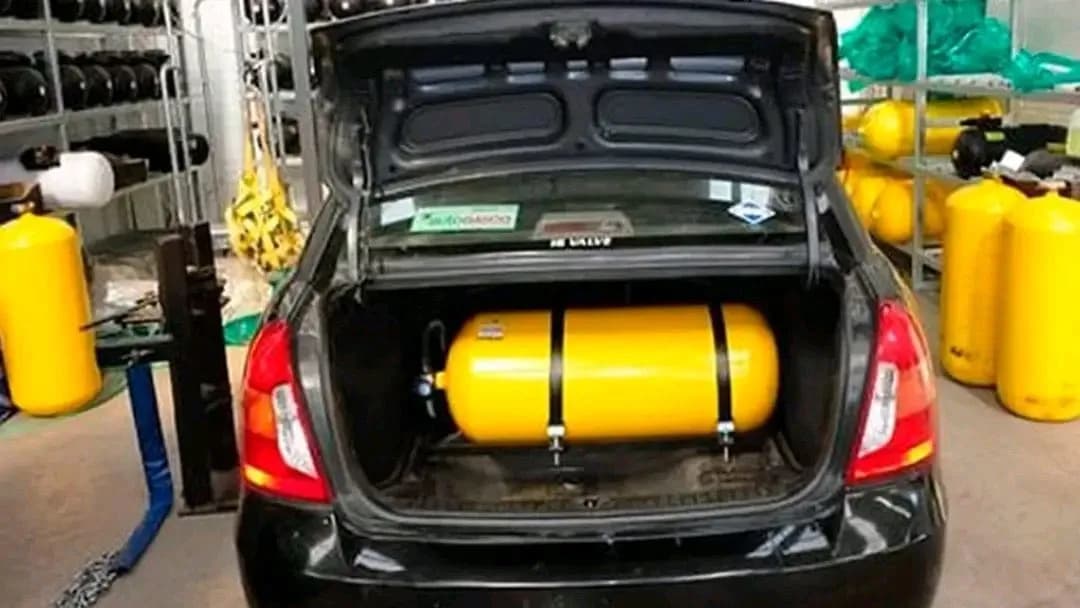
The primary component of the conversion is installing a CNG kit, which includes a high-pressure gas tank, injectors, and an electronic control unit (ECU). The gas tank is typically installed in the vehicle’s boot, while the injectors are integrated into the engine to control fuel flow. The ECU monitors and adjusts the fuel mix between petrol and CNG, allowing for a seamless transition between the two fuel sources. - Dual-Fuel System
Most CNG conversions in Nigeria operate on a dual-fuel system, meaning the vehicle can run on both petrol and CNG. This offers flexibility, especially in regions where CNG refuelling stations may not be widespread yet. Drivers can switch between petrol and CNG with a simple toggle inside the vehicle, allowing for uninterrupted journeys. - Vehicle Tuning and Testing
Once the CNG kit is installed, your vehicle will need to be tuned to ensure optimal performance on natural gas. The system must be calibrated for Nigerian road conditions and driving patterns. After tuning, a thorough inspection and testing phase ensures the conversion was successful. The Standard Organisation of Nigeria (SON) plays a critical role in certifying the safety and efficiency of converted vehicles. - CNG Certification
After the conversion is complete, your vehicle will need to be inspected by regulatory authorities for safety certification. The Federal Road Safety Corps (FRSC) has been mandated to oversee CNG vehicle certification, ensuring roadworthiness and compliance with Nigerian road safety regulations. Proper certification also ensures that your insurance remains valid post-conversion.
Economic and Environmental Benefits of CNG Conversion
- Cost Savings: CNG is significantly cheaper than petrol. In Lagos, for instance, CNG costs around ₦200 per litre equivalent, compared to over ₦1000 for petrol. This dramatic cost difference can save vehicle owners up to 60% on fuel costs annually.
- Environmental Impact: CNG produces far fewer emissions, contributing to cleaner air quality in urban areas. According to the Nigerian Environmental Study/Action Team (NEST), widespread CNG adoption could reduce Nigeria’s annual greenhouse gas emissions by 15 million metric tonnes by 2030.
- Extended Engine Life: Vehicles running on CNG experience less wear and tear compared to petrol engines. CNG burns more cleanly, reducing carbon deposits in the engine, which leads to longer engine life and lower maintenance costs.
Challenges in CNG Conversion
Despite the benefits, converting petrol cars to CNG in Nigeria is not without its challenges. Currently, CNG refuelling stations are still limited to major cities like Lagos, Port-Harcourt and Abuja, though plans are underway to expand the network nationwide. Additionally, the upfront conversion costs may be prohibitive for some vehicle owners, even though the long term savings make it a worthwhile investment.
Moreover, some older vehicles may not be suitable for conversion due to engine compatibility issues. It’s advisable to consult with a licensed conversion centre before making the switch to ensure your car can handle the transformation safely and efficiently.
Converting your petrol car to run on CNG is not only a smart financial move in Nigeria’s high fuel cost environment, but it also contributes to the nation’s broader energy transition goals. With governmental backing and the expansion of CNG refuelling infrastructure, more Nigerians are expected to make the switch in the coming years. As CNG becomes more accessible, it will play a pivotal role in reducing fuel costs, improving air quality, and supporting Nigeria’s energy diversification efforts.