

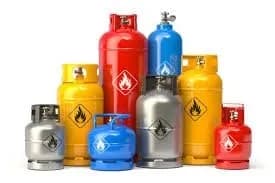
With cooking gas costs now exceeding ₦1,000 per kilogram across Nigeria, families and small businesses are urgently seeking ways to cut down on LPG expenses. Once a preferred alternative to kerosene and firewood, Liquefied Petroleum Gas (LPG) is quickly becoming unaffordable due to import disruptions, forex scarcity, and rising global energy prices.
In this guide, we explore smart strategies to save on cooking gas and reduce household expenses without compromising daily meals.
1. Invest in Energy-Efficient Burners
Not all gas burners are equal. Traditional single-ring burners can waste a significant amount of heat. Opt for high-efficiency burners with blue flames and multiple rings, which distribute heat more evenly and reduce cooking time by up to 30%. While these may cost more upfront, they offer long-term savings.
2. Use Cookware That Retains Heat
Heavy-bottomed pots and pans made of cast iron or stainless steel retain heat better than lighter materials. This allows you to turn off the gas a few minutes early and let residual heat finish the cooking process. Always use lids; they trap steam, reduce cooking time, and help food cook faster.
3. Prep All Ingredients Before Cooking
Many households turn on the burner first, then start chopping vegetables or blending spices. This wastes precious minutes of gas. Prepare everything before lighting the stove, so cooking becomes a continuous, uninterrupted process.
4. Embrace Batch Cooking
Instead of cooking three separate meals daily, consider batch-cooking larger quantities and refrigerating leftovers. Reheating takes far less gas than cooking from scratch each time. Foods like stews, soups, and jollof rice store well and are easy to portion out over days.
5. Monitor Cylinder Weight
Get a digital or mechanical scale to weigh your gas cylinder regularly. This helps you understand your consumption pattern and detect leaks early. If you’re running out of gas faster than expected, you may have an inefficient setup or a leak that needs urgent fixing.
6. Seal Kitchen Windows and Avoid Wind
Outdoor or poorly sealed kitchens allow wind to disrupt the flame, causing energy loss. A flickering flame is inefficient. Shield your cooking area from wind, and ensure stable ventilation without direct airflow on the burner.
7. Choose Reputable LPG Vendors
Always refill your cylinder from licensed, reputable vendors who supply accurate measurements and quality gas. Substandard LPG can burn inefficiently or damage your cooker, leading to higher consumption. Ask for digitally metered refilling stations if available in your area.
8. Complement with Alternative Cooking Methods
Where practical, consider energy-mix solutions. For example, boiling tough meats or beans with a pressure cooker or starting a meal on gas and finishing it with a solar cooker, charcoal stove, or electric cooker (if power is stable) can reduce reliance on gas.
Conclusion: Every Small Step Counts
As LPG prices rise due to forex volatility, importation bottlenecks, and distribution costs, there’s no telling when relief will come. For now, consumers must adapt. Efficient use, proper maintenance, and smarter cooking habits can make a real difference in household budgets. Saving ₦200–₦300 per refill may seem small, but over months, it adds up significantly, especially for families already juggling high food and transport costs.