

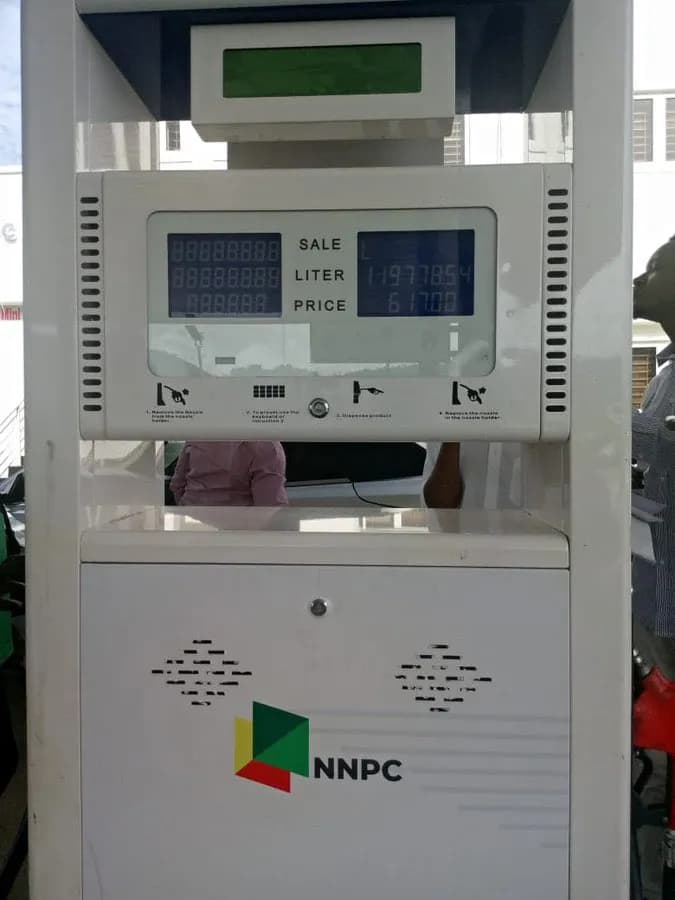
In Nigeria, issues such as fuel adulteration, meter tampering, and inconsistent pump quality are widespread. Choosing a station with reliable fuel pumps is essential to avoid engine damage, increased maintenance costs, and potential safety hazards. This guide provides practical steps for motorists and businesses to identify trustworthy fuel stations, ensuring value for money and vehicle longevity.
1. Look for NMDPRA-Certified Stations
The Nigerian Midstream and Downstream Petroleum Regulatory Authority (NMDPRA) enforces strict compliance standards for fuel stations. Certified stations, typically marked with an official seal or sticker, undergo routine inspections to ensure accurate meter calibration, preventing short-selling, and maintaining fuel quality by ensuring the absence of contaminants like water or kerosene. These stations also adhere to safety protocols, including having functional fire extinguishers and spill containment measures in place. To verify a station’s certification, motorists can check the NMDPRA website or mobile app, which lists approved stations.
2. Choose Stations with Digital Dispensers
Modern digital pumps are more tamper-resistant than older mechanical models. They typically feature clear LCD displays that show volume, price, and total cost, ensuring transparency in every transaction. A reliable pump should have a zero-reset function, which guarantees that the meter resets before dispensing fuel. Additionally, properly sealed pump nozzles, stamped with NMDPRA or DPR logos, indicate compliance with regulatory standards. Motorists should be wary of stations where attendants manually enter prices or volumes, as these can be easily manipulated.
3. Check for Fuel Adulteration
To avoid purchasing contaminated or diluted fuel, motorists should perform a few quick tests. A visual inspection can help determine authenticity; genuine petrol has a light yellow appearance, while diesel is clear. Any cloudiness, particles, or layering suggests contamination. The smell test is another simple method pure petrol has a sharp chemical odor, whereas a kerosene-like scent indicates dilution. Additionally, rubbing a drop of fuel between the fingers can help confirm quality; pure fuel evaporates quickly, whereas adulterated fuel leaves an oily residue.
4. Monitor Vehicle Performance After Refueling
Fuel quality can significantly impact vehicle efficiency and engine performance. A noticeable drop in mileage after refueling may indicate substandard fuel. Additionally, symptoms such as engine knocking, stalling, or excessive smoke, especially in diesel engines, often signal impurities in the fuel. To mitigate risks, drivers should consistently refuel at stations where their vehicles perform well.
5. Observe Maintenance Standards
Well-maintained fuel stations are less likely to dispense contaminated fuel. Clean premises, free of spills and debris, suggest that the station prioritizes proper fuel handling. Motorists can also inquire about filter changes, which should ideally occur monthly to ensure fuel purity. Additionally, trained staff who wear uniforms and handle fuel nozzles properly contribute to maintaining fuel integrity.
6. Consider Brand Reputation
Established fuel marketers maintain stricter quality controls and provide more reliable fuel. Government-owned NNPC Retail stations follow standardized pricing and regulatory compliance. International brands such as TotalEnergies, Oando, and Enyo invest in advanced filtration systems to enhance fuel quality. Regional chains like AYM Shafa (North), NIPCO (South), and Ardova (Nationwide) are also known for maintaining high standards. Choosing reputable brands reduces the risk of purchasing adulterated fuel.
7. Beware of Suspiciously Low Prices
Extremely low fuel prices can be a warning sign of compromised quality. Unauthorized roadside sellers often provide fuel at significantly reduced rates, which may indicate adulteration. Similarly, some fuel stations use promotional discounts to attract customers while mixing fuel with cheaper kerosene, compromising its integrity. Motorists should remain cautious and prioritize quality over cost.
8. Use Crowd-Sourced Information
Real-time reports from fellow motorists can help identify reliable fuel stations. Social media platforms such as WhatsApp channels and Twitter/X provides valuable insights. Additionally, mobile apps such as fuel calculator and fuel alert offers updated report and assistance. Commercial drivers, including those working with Uber and Bolt, as well as truck drivers, often have firsthand knowledge of trusted stations and can provide reliable recommendations.
9. Inspect Pump Hoses and Nozzles
Before refueling, motorists should conduct a quick inspection of the pump and nozzle. Hoses should be free of leaks or rust, as these can indicate poor maintenance. The nozzle should be clean to prevent debris from entering the fuel tank. Additionally, drivers should avoid pumps that are under repair, as incomplete maintenance increases the risk of contamination.
10. Report Problematic Stations
If a station is suspected of meter fraud or selling adulterated fuel, motorists should take immediate action. Complaints can be directed to NMDPRA. To support their claims, consumers should document evidence by taking photos or videos of pump readings, receipts, or fuel samples. Reporting fraudulent stations helps protect other consumers and ensures accountability.
Stay Vigilant
Navigating Nigeria’s fuel market requires diligence. By prioritizing certified stations, monitoring vehicle performance, and leveraging technology and community insights, motorists can mitigate fuel-related risks. As regulatory crackdowns continue to shut down illegal stations, consumer awareness remains the best defense against fraud and substandard fuel.