

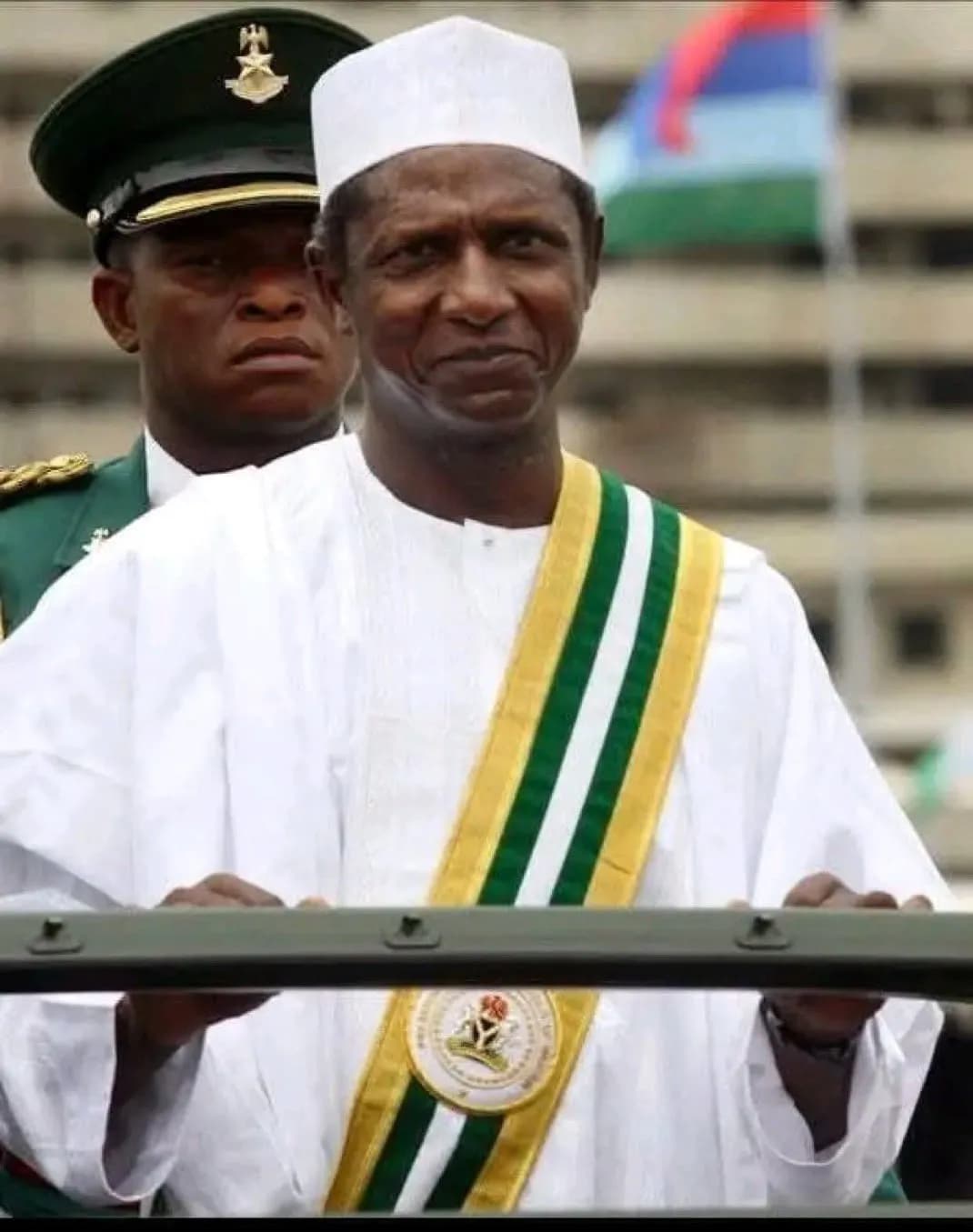
In 2007, Nigeria had a rare chance to end decades of fuel scarcity. Billionaire businessman Aliko DANGOTE Dangote led a group that bought the country’s underperforming refineries in Port Harcourt and Kaduna for $750 million, aiming to upgrade them and reduce Nigeria’s dependence on imported fuel. But just months later, the newly elected President Umaru Musa Yar’Adua cancelled the deal. Eighteen years on, the country is still paying the price.
A Missed Opportunity
The refineries had long been inefficient, producing far below their capacity of 445,000 barrels per day. The Nigerian National Petroleum Company (NNPC) struggled with years of poor maintenance, corruption, and outdated equipment. Dangote’s group, Bluestar Consortium, wanted to take over and invest in modernising them.
Former President Olusegun Obasanjo backed the sale, believing private investment could revive the facilities. But after Yar’Adua came into power, strong opposition from labour unions and internal NNPC pressure forced him to reverse the sale. A senior NNPC official reportedly convinced Yar’Adua that the deal was a “parting gift” from Obasanjo, and that the government could fix the refineries itself.
They never did.
$18 Billion, Nothing to Show
Since then, the government has spent more than $18 billion trying to fix the refineries. Yet, they’ve remained idle. Former President Obasanjo said those who blocked the deal should be jailed. “NNPC knew they couldn’t do it, but they wanted to continue the corruption,” he said.
Dangote echoed that frustration during a 2025 tour of his own refinery in Lagos. “They returned the refineries and promised to fix them. But nothing has changed. I doubt they’ll ever work again,” he said.
Even worse, the refineries have become a drain on public funds, with workers paid to operate facilities that don’t produce a single drop of fuel.
Endless Imports and Fuel Shortages
The failure to privatise the refineries left Nigeria, Africa’s top oil producer reliant on imported fuel. As of 2023, Nigeria was importing nearly all of its 33 million litres of daily petrol consumption. Until President Bola Tinubu removed the subsidy in 2023, these imports cost the country billions of naira annually.
Nigerians have paid the price. Long queues, soaring pump prices, and constant scarcity have become the norm. Some social media users have labelled Yar’Adua’s 2007 decision as one of the worst economic mistakes in Nigeria’s history.
Dangote’s Fight Against the Oil Cartel
After the 2007 setback, Dangote went on to build a $20 billion, 650,000 barrels per day refinery in Lekki the largest single-train refinery in the world. Commissioned in 2023, it started producing petrol in late 2024.
Despite challenges securing crude oil locally, the Dangote Refinery is slowly changing the game. It has reduced Nigeria’s dependence on fuel imports from Europe and is expected to meet the country’s fuel needs once fully operational.
But Dangote says the battle isn’t over. “The oil mafia in this country is stronger than the drug mafia,” he warned, referring to powerful interests who profit from fuel imports. “They don’t want the trade to stop.”
Looking Ahead
The refinery reversal cost Nigeria more than money it delayed energy independence, job creation, and economic growth. Even as Dangote’s refinery rises, Nigeria must learn from 2007. Experts say true energy security needs more than one refinery. It requires consistent policy, transparency, and the political will to put national interest first.
A Kano shop owner, Lado Danladi, summed up the hope shared by millions: “If this refinery works well, it will change our lives. No more queue, no more wahala.”
But as analyst Sani Bala warned, “We can’t rely only on Dangote. Government must open space for others, or we’re just waiting for another crisis.”