

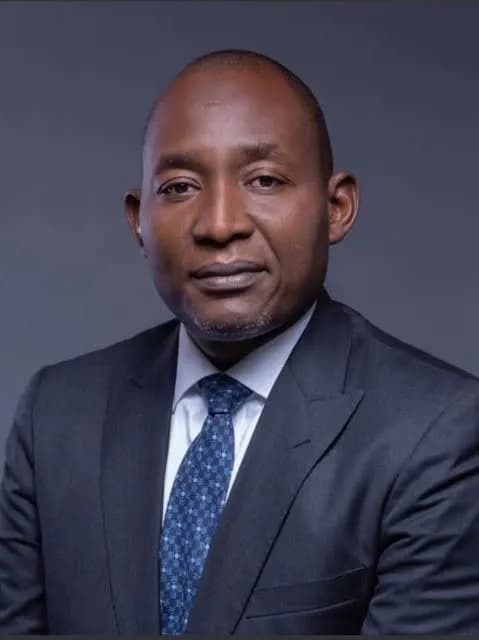
The newly nominated Chief Executive of the Nigerian Midstream and Downstream Petroleum Regulatory Authority (NMDPRA), Rabiu Abdullahi Umar, has pledged to strengthen Nigeria’s energy security framework and ensure petroleum products are available across every part of the country, amid growing concerns over supply disruptions and global oil market volatility.
Speaking during his Senate screening, regarding the challenges facing the downstream sector, Umar said international events such as tensions around the Strait of Hormuz and the Iranian conflict would continue to affect crude oil pricing and fuel supply dynamics globally.
“Of course, shocks like the closure of Hormuz and the Iranian war will always have an impact on pricing,” Umar said. “However, the responsibility the NMDPRA has, and which I think is going to be one of my key areas of focus, is to actually have energy security.”
He explained that energy security goes beyond maintaining limited coastal reserves, stressing that petroleum products must be accessible nationwide through efficient distribution and storage systems.
“And energy security doesn't mean just having enough product for 20 days or for 30 days, but how do we ensure that we have products not just in tanks across on the coastlines, but in every single location in the country? We have 22 depots in Nigeria, and those depots are functional,” he stated.
Umar said the authority would work closely with relevant government agencies and industry stakeholders to maintain strategic stock buffers capable of cushioning supply disruptions caused by import delays, production shortfalls, or external market shocks.
“We will ensure that we work with the necessary agencies of government and other regulatory agencies to make sure that we have adequate stock that can be used as a buffer should there be a shortfall in the production or in the importation or whatever the case might be” he said.
The NMDPRA nominee also pledged to remove operational bottlenecks and improve investor confidence in the downstream petroleum sector by simplifying processes and improving efficiency within the supply chain.
“My experience in supply chain management and logistics will help in ensuring that I will try to make sure that we de-bottleneck the process,” Umar said. “The authority is also a government agency, but it’s also a business enabler. We need to make sure that we use it to attract more investment by treating the existing investors and making sure that the processes, the bureaucracies, and the bottlenecks are addressed.”