

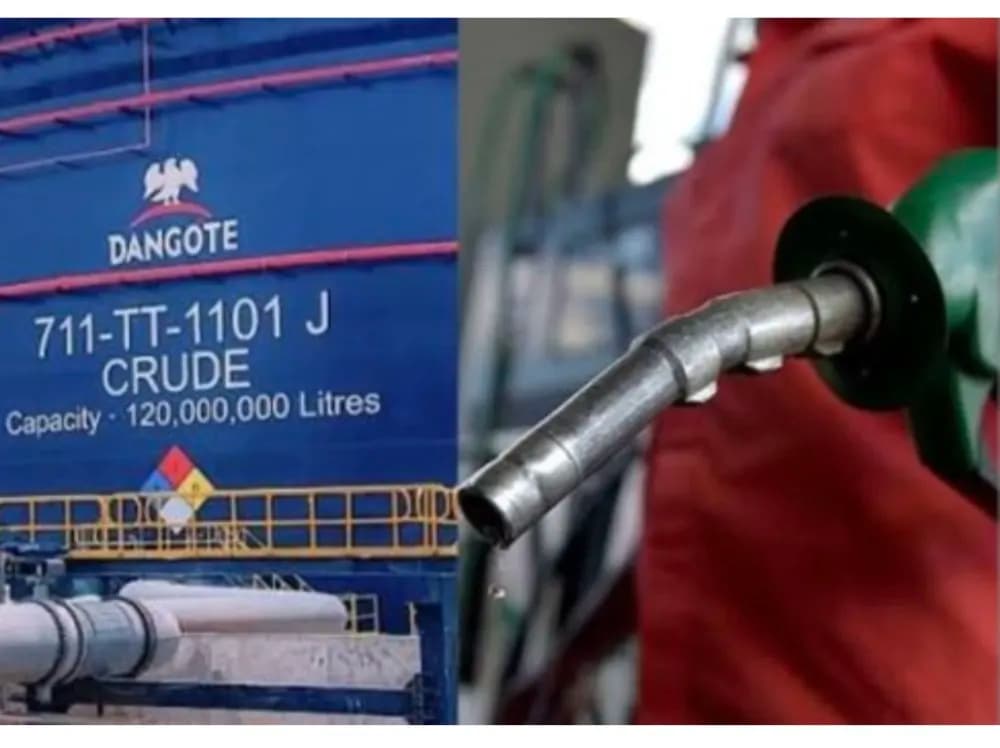
The World Bank has raised concerns over Nigeria’s downstream petroleum pricing structure, stating that imported petrol currently costs less than fuel supplied by the Dangote Refinery, a gap it says could intensify inflationary pressures across the economy.
In its latest Nigeria Development Update, the bank estimated that imported Premium Motor Spirit (PMS) is about 12 percent cheaper than domestically supplied petrol from the Dangote refinery, reflecting what it described as distortions in the domestic pricing framework amid elevated global crude oil prices.
The report noted that as of March 23, 2026, the refinery’s ex depot petrol price stood at around N1,275 per litre, compared with an estimated import parity price of about N1,122 per litre, creating a notable price differential in favour of imports.
According to the World Bank, this gap highlights broader pressures in Nigeria’s fuel market following disruptions linked to global oil dynamics, particularly rising prices triggered by geopolitical tensions in the Middle East.
The institution warned that sustained increases in global crude prices could have significant inflationary consequences for Nigeria. It projected that a rise in oil prices to around 80 dollars per barrel could add approximately 3.1 percentage points to headline inflation, assuming full pass through to domestic prices.
It further explained that energy related items, particularly transport, which accounts for about 10.1 percent of Nigeria’s consumer price index basket, play a key role in transmitting fuel price shocks into broader inflation.
Beyond energy, the report also flagged potential upward pressure on food prices, driven by higher global food and fertiliser costs linked to the same geopolitical disruptions affecting oil markets.
Speaking during the presentation of the report in Abuja, World Bank Country Director for Nigeria, Mathew Verghis, said Nigeria’s macroeconomic indicators have shown some improvement through 2025 into early 2026, supported by ongoing reforms. However, he cautioned that external shocks remain a significant risk to price stability.
He noted that rising global energy costs and increased shipping expenses are already feeding into domestic price levels, particularly in fuel markets.
Verghis added that while higher oil prices may improve government revenue due to Nigeria’s status as a net oil exporter, the overall fiscal benefit remains limited. He stressed that reducing inflation remains critical to improving household welfare and purchasing power.
He also highlighted that inflation continues to erode income levels even when it appears to be moderating, adding that structural reforms such as improving trade efficiency, easing supply constraints, and supporting vulnerable households are necessary to stabilise prices.
World Bank Lead Economist for Nigeria, Fiseha Haile, also noted that petrol prices have increased significantly since the onset of recent global disruptions, with downstream costs transmitting across transport and logistics chains.
He added that while Nigeria’s external position has improved, including higher reserves and a more unified exchange rate system, risks remain due to volatile global financing conditions and weaker capital inflows.
The report concluded that although Nigeria’s economy is showing resilience, inflation remains a key challenge, with projections indicating moderate growth over the medium term but continued pressure on household purchasing power if global risks persist.