

Nigeria’s oil refining sector has long been a mix of ambition and underperformance, with a mix of both functional and non-functional refineries affecting the country’s energy dynamics. For decades, Nigeria has grappled with an energy infrastructure that could not fully support local fuel demands, forcing the nation to import refined petroleum products despite its vast crude oil reserves.
Currently, Nigeria has four main state-owned refineries two in Port Harcourt, one in Warri, and one in Kaduna. However, due to operational issues and chronic underfunding, none of these refineries have operated at full capacity in recent years. The inefficiency has left them mostly non-functional, producing far below their combined capacity of 445,000 barrels per day. This deficiency has resulted in heavy dependence on fuel imports, costing the nation billions of dollars annually.
Revitalisation Efforts and Modular Refineries
In recent years, the Nigerian government has made efforts to revitalise these refineries through partnerships and investments. This includes a planned overhaul of the Port Harcourt refinery, expected to add 60,000 barrels per day by early 2025. Alongside state-owned facilities, the emergence of private modular refineries has provided a potential solution. Modular refineries, such as the Waltersmith Refinery in Imo State and Niger Delta Petroleum Resources, produce smaller quantities but offer faster and more flexible production.
Dangote Refinery’s Impact
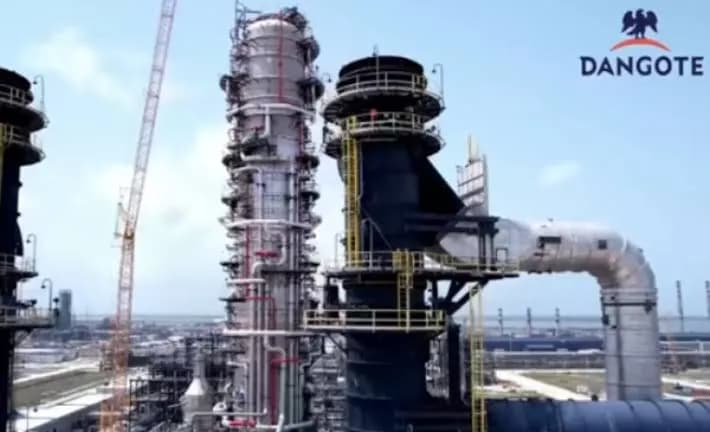
The recently completed Dangote Refinery, Africa’s largest, is a game-changer for Nigeria’s downstream oil sector. With a refining capacity of 650,000 barrels per day, it is expected to meet Nigeria’s fuel demand while generating exports to neighbouring countries. The refinery could help reduce Nigeria’s import dependency and generate significant foreign exchange.
Challenges and Future Prospects
However, challenges remain, especially in terms of maintaining and upgrading older state-owned refineries. The government is exploring public-private partnerships to improve management and functionality. The increased presence of modular refineries and the Dangote Refinery’s capacity could, over time, help shift Nigeria toward fuel self-sufficiency.
In the long term, the success of these initiatives will depend on effective policies, investments, and a commitment to maintaining infrastructure, which could finally bring about the much-needed transformation of Nigeria’s oil refining sector.