

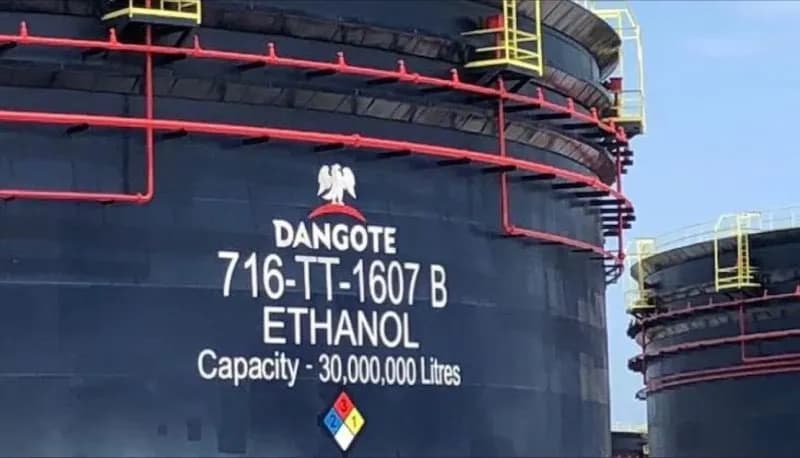
In a move that has stirred optimism across Nigeria, the Independent Petroleum Marketers Association of Nigeria (IPMAN) has joined forces with the Dangote Petroleum Refinery to create a more efficient, cost-effective fuel supply chain. For years, Nigerians have struggled with high fuel prices, sporadic shortages, and dependence on foreign imports. This new partnership, which allows IPMAN to source fuel directly from the Dangote Refinery, could make a real difference in the lives of Nigerians by tackling some of these longstanding issues.
The collaboration between IPMAN and Dangote is not just a business deal; it is a strategic move aimed at bringing affordable, locally refined fuel to Nigerians. As IPMAN’s National President, Mubakar Garima, put it, this agreement has the potential to disrupt Nigeria’s fuel supply chain in a way that removes middlemen and prioritises the needs of everyday consumers.
How the IPMAN-Dangote Deal Works
IPMAN’s direct purchase agreement with the Dangote Refinery is a game-changer for Nigeria’s petroleum distribution. Traditionally, IPMAN, which operates thousands of petrol stations across Nigeria, has relied on the Nigerian National Petroleum Corporation (NNPC) and imported fuel to meet the demands of its members. This reliance has often led to delays, bottlenecks, and supply shortages as IPMAN members waited for approvals and shipments to clear.

Under the new arrangement, IPMAN will be able to bypass these issues by directly sourcing refined petroleum products from Dangote’s 650,000 barrels-per-day refinery. This means that key fuel products like premium motor spirit (PMS), automotive gas oil (AGO), and dual-purpose kerosene (DPK) will be delivered directly to IPMAN’s network of depots and stations across Nigeria, ensuring a more reliable supply chain.
Immediate Benefits for Nigerians: Price and Accessibility
One of the most promising aspects of the IPMAN-Dangote deal is its potential to make fuel more affordable for Nigerians. With direct access to Dangote’s locally refined fuel, IPMAN members are expected to offer petrol at prices below those currently set by other suppliers. As IPMAN’s Publicity Secretary, Ukarike Chinedu, explained, the partnership aims to lower prices at independent marketer stations, potentially dropping the cost to below 1,000 Naira per litre. This would be a significant reduction from the 1,200 to 1,300 Naira that many Nigerians are currently paying.
In addition to lower prices, the agreement is expected to stabilise fuel availability across Nigeria, reducing the long lines and shortages that often plague the sector. IPMAN’s extensive distribution network, which includes outlets in even the most remote areas, is well-positioned to benefit from this arrangement and ensure continuous fuel access for consumers nationwide.
Cutting Out the Middlemen: A More Efficient Supply Chain
The IPMAN-Dangote partnership is designed to remove middlemen from the fuel supply chain, a step that could have long-lasting effects on pricing and efficiency. Historically, multiple layers of intermediaries have added to fuel costs in Nigeria, with each party taking a profit along the way. This has not only inflated prices but has also led to inconsistencies in supply and frequent fuel shortages.
Sourcing directly from Dangote ensures IPMAN is able to keep costs lower, and ensure that fuel reaches the consumer at a more affordable rate. Furthermore, the elimination of middlemen reduces the chances of delays and disruptions, allowing IPMAN to maintain a steady supply across the country. This streamlined approach also aligns with Nigeria’s broader goals of achieving energy security and reducing dependence on imported fuel.
A Broader Impact on Nigeria’s Oil and Gas Industry
The IPMAN-Dangote deal represents a shift in the Nigerian oil and gas industry that could ripple beyond fuel prices. As the Dangote Refinery reaches full production capacity, it has the potential to supply not only IPMAN but also other local distributors, effectively transforming Nigeria from an import-dependent country to a net exporter of refined petroleum products.
In addition, the partnership supports the Nigerian government’s push to reduce the burden of foreign exchange costs associated with fuel imports. With more locally refined products in the market, the country can decrease its reliance on imported fuel, which in turn reduces the demand for foreign currency and strengthens the naira.
Challenges and Considerations
Despite the promise of this new arrangement, there are challenges that must be addressed to ensure its success. The Dangote Refinery must maintain consistent production levels to meet IPMAN’s demand. Any disruptions in refinery output could undermine the benefits of the agreement and lead to supply shortages. Additionally, IPMAN and Dangote will need to address logistical challenges to ensure that fuel can be transported across Nigeria’s often-inefficient infrastructure network.
Public confidence in the IPMAN-Dangote partnership will also be essential. Many Nigerians have become sceptical of promises for lower fuel prices, having witnessed previous announcements that failed to deliver real savings. Transparent communication from both IPMAN and Dangote, along with visible price reductions at the pump, will be critical in building and maintaining trust with consumers.
A Step Towards Energy Independence
The IPMAN-Dangote deal is more than just an agreement; it is a step towards creating a self-sufficient energy landscape in Nigeria. By prioritising local production, the country is moving closer to a future where it can meet its fuel needs without relying on imports. For Nigerian consumers, this means the possibility of a stable fuel supply at prices that are not dictated by the fluctuations of the global oil market.
In a broader context, this partnership aligns with Nigeria’s ambitions to become an energy hub for West Africa. As production ramps up, the Dangote Refinery could play a key role in exporting fuel to neighbouring countries, positioning Nigeria as a leader in the region’s oil and gas sector.
Conclusion: A New Era for Nigeria’s Fuel Market
The partnership between IPMAN and Dangote marks the beginning of what could be a transformative era for Nigeria’s fuel market. By addressing long-standing issues of supply instability, inflated costs, and dependency on imports, this agreement has the potential to create a more resilient, consumer-friendly market. For Nigerians, this means lower prices, fewer fuel shortages, and a more efficient supply chain that serves the needs of all communities.
As the partnership unfolds, Nigerians will be watching closely to see if the promised benefits materialise. But for now, the IPMAN-Dangote deal offers a glimmer of hope that affordable, accessible fuel might soon become a reality for Nigeria’s 200 million citizens.