

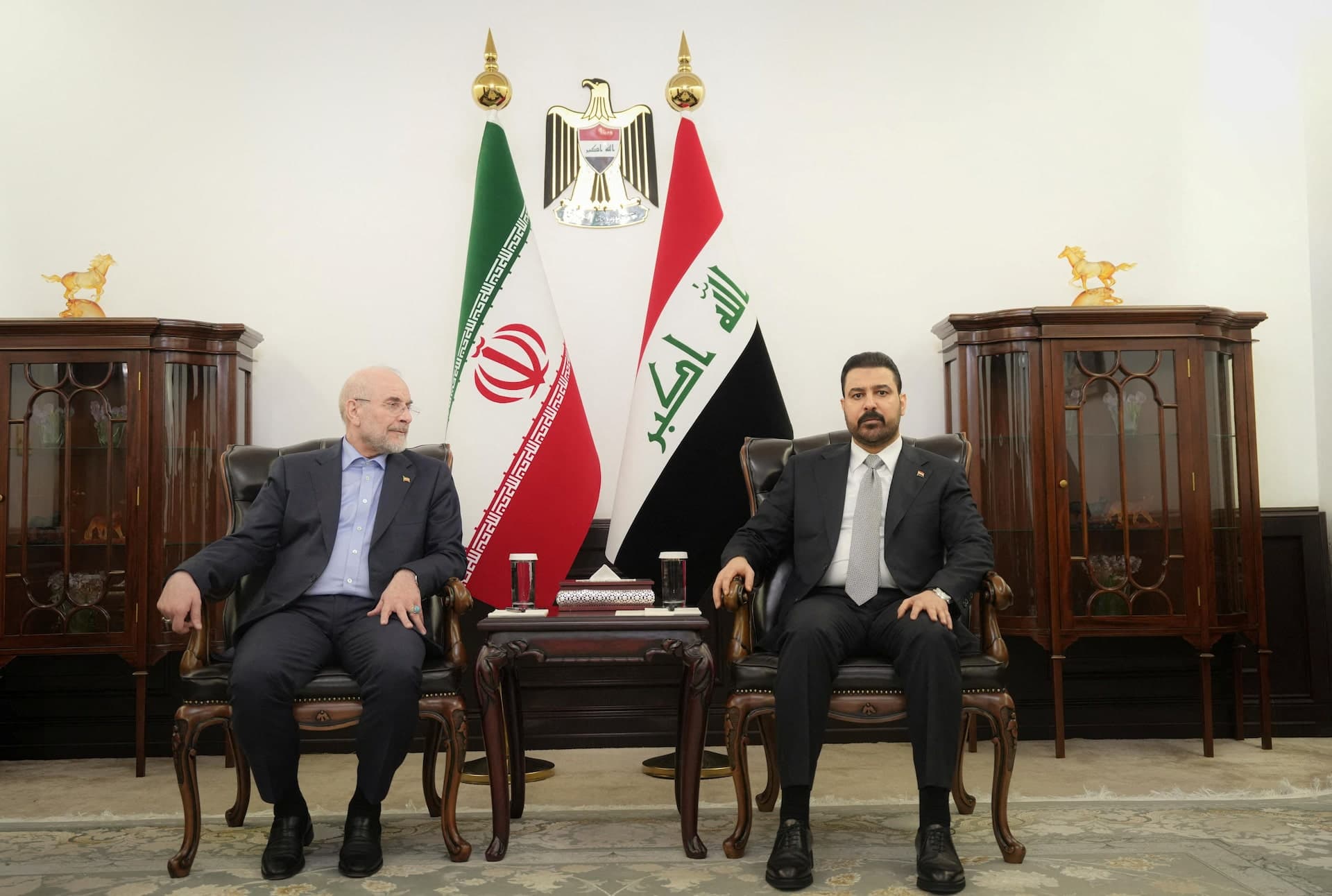
Iran has granted permission for a number of Iraqi oil tankers to pass through the strategically important Strait of Hormuz, providing limited relief for Iraq’s crude exports as vessel traffic through the waterway remains significantly below pre-war levels.
Iran’s state news agency IRNA reported on Saturday that the permission followed repeated requests from Baghdad through various channels, with the issue reportedly among the main requests made during Iranian Parliament Speaker Mohammad Baqer Qalibaf’s visit to Iraq.
Iraqi President Nizar Amedi said Iran had facilitated the passage of vessels carrying Iraqi oil through the strait in recent days, adding that Baghdad had discussed the export of Iraqi crude through Hormuz with Iranian officials.
However, Amedi said the issue remained complicated, highlighting continued uncertainty surrounding the movement of oil tankers through the waterway.
Iraq has been among the countries most affected by Iran’s effective closure of the Strait of Hormuz, a critical route for global oil shipments. Tanker traffic remains significantly below levels recorded before the war, while vessels operating in the area continue to face attacks.
Iraq was producing around 4 million barrels of crude oil per day before the outbreak of the Iran war, making uninterrupted access to export routes particularly important for the country’s oil revenues.
The development comes as international oil prices remain elevated amid concerns over disruptions to global crude supplies. The Strait of Hormuz is a key transit route for oil exports from the Gulf, meaning prolonged restrictions or attacks on shipping could increase supply risks and put further upward pressure on crude and refined-product prices.
For Nigeria’s downstream market, sustained strength in international crude prices could translate into higher replacement costs for petroleum products and increase pressure on depot prices, particularly for diesel and petrol. Recent Nigerian depot data have already shown upward movements in AGO and PMS prices amid the international market uncertainty.
Baghdad is also pursuing alternative export routes to reduce its dependence on the Strait of Hormuz. Prime Minister Ali al-Zaidi said on Friday that Iraq was working to expand exports through Turkey’s Ceyhan port and planned to begin exporting crude through Syria’s Baniyas port and Jordan’s Aqaba port.
The permission granted to selected Iraqi tankers therefore provides some immediate access to the Gulf export route, while Iraq continues efforts to diversify its crude evacuation channels.