

Iran has maintained that negotiations remain the route to resolving its conflict with the United States and Israel, despite President Donald Trump saying he had rejected Tehran’s proposal to reopen the Strait of Hormuz and halt the fighting.
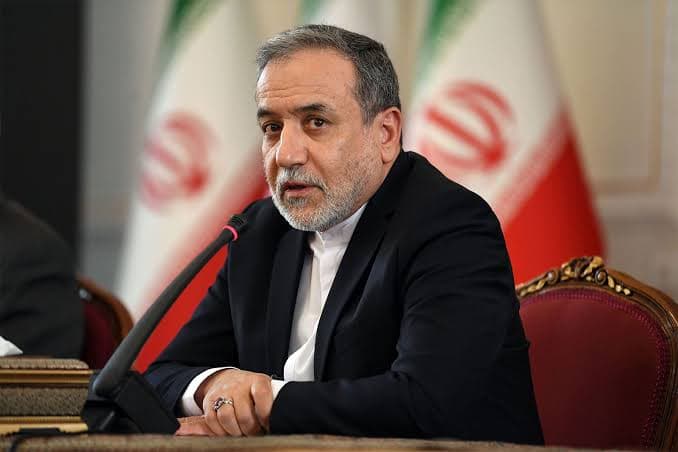
Iranian Foreign Minister Abbas Araqchi said Tehran’s conditions for reopening the strategic waterway remained unchanged and that any move to restore shipping would depend on an agreement addressing those conditions.
“Only a negotiated solution” can resolve the impasse, Araqchi said in a social media post on Sunday.
Iran had presented the proposal during the United Nations General Assembly in New York and said it was transmitted to Washington through Qatari mediators.
Under the proposal, Iran said an agreement would trigger a seven-day countdown toward reopening the Strait of Hormuz and a pause in regional hostilities. Araqchi had said on Friday that preparations were in place if Washington demonstrated seriousness about reaching an agreement.
Trump, however, said on Saturday that he had rejected the proposal. Speaking to reporters at the White House, he argued that Iran was seeking an immediate reopening of Hormuz because of the economic pressure created by the conflict.
Despite Trump's public rejection, Araqchi said the mediators involved in the discussions had not formally conveyed a final US response to Tehran.
“We are waiting for the mediators to convey the definitive views to us,” he said, adding that Iran would decide its next step after receiving the official position.
The uncertainty comes as the conflict continues to disrupt shipping through the Strait of Hormuz, a major route for global oil and gas supplies. US economic measures against Iran have been accompanied by a sharp reduction in shipping through the waterway, adding pressure to regional energy flows and the wider global economy.
Iranian Army Commander Amir Hatami said Tehran would not accept a situation in which Iran was unable to trade while other countries continued to use the region’s strategic waterways.
The dispute over Hormuz is closely tied to the wider terms of any potential settlement, including Iran’s nuclear programme.
A senior Iranian official told Reuters that Tehran would not offer concessions on its nuclear position even if Washington accepted the proposed agreement. The official said Iran would maintain what it regards as its rights, including uranium enrichment and keeping its highly enriched uranium inside the country.
Iranian President Masoud Pezeshkian, meanwhile, said Tehran remained willing to discuss its nuclear programme and other issues but would not accept negotiations conducted through pressure or coercion.
Pezeshkian said Iran was not seeking war but would defend itself against threats and attacks. He also reiterated Tehran’s position that it had already agreed not to develop nuclear weapons.
Trump has identified preventing Iran from acquiring a nuclear weapon as one of the principal objectives of the US campaign, alongside demands concerning Iran’s regional military activities and its political leadership.
The latest diplomatic effort follows months of failed or interrupted attempts to end the conflict, which began with US and Israeli attacks on Iran on February 28. The fighting has since involved direct strikes and attacks across several parts of the region, with Iran and allied groups responding against US allies and interests.
The conflict has also extended into Yemen, where Iran-aligned Houthi forces have been engaged in fighting with Saudi-backed forces.
On Sunday, Yemen’s Houthi-run health ministry said seven people were killed and 40 wounded, including children, in a strike on shops at a market near the Mawiya junction in Taiz province.
Yemen’s internationally recognised government gave a different account, saying its forces had targeted a Houthi military camp and vehicles at the same location. Three government military sources told Reuters that Houthi fighters had recently established a military camp near the market. The competing accounts could not be independently verified.
The latest developments leave the status of the proposed Hormuz agreement unresolved. Iran says it is awaiting the formal US position through mediators, while Washington has publicly rejected the proposal. At the same time, Tehran continues to link any reopening of the strategic waterway to a negotiated settlement covering the wider conflict.