

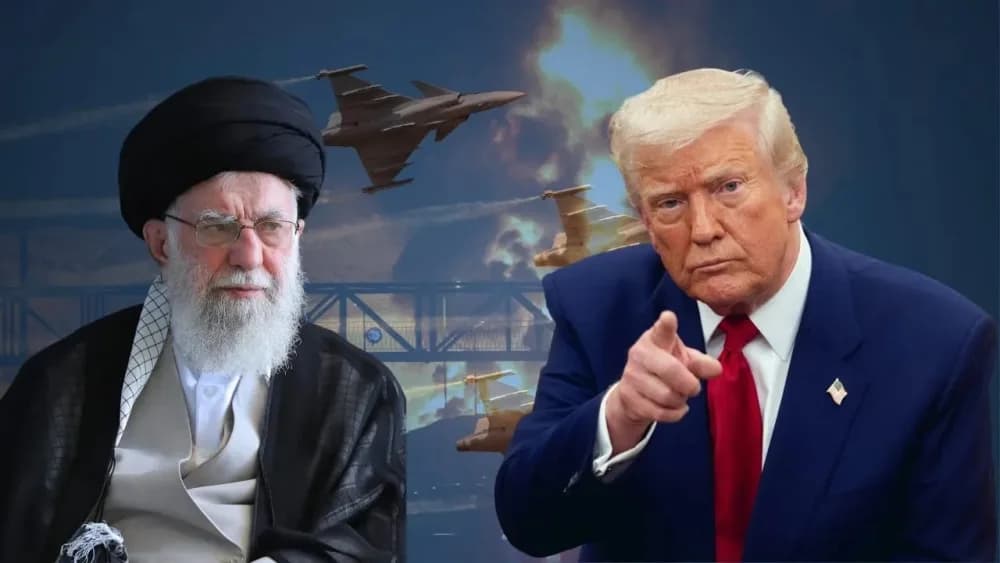
Iran says negotiations with the United States over a potential agreement have yet to produce any meaningful breakthrough, while broader security tensions in the Middle East continue to weigh on diplomatic prospects and market sentiment.
Iran’s Foreign Minister, Abbas Araghchi, indicated that discussions between both countries remain stalled, stating that the process has not delivered any concrete results so far, according to reporting from Iranian media outlets.
The U.S. and Iran have been exchanging proposals and messages for weeks in an effort to outline a possible framework deal. However, expectations of progress have repeatedly been tempered by ongoing disagreements over core issues, leaving both sides far apart on key terms.
Market reactions have continued to reflect shifting sentiment around the talks, with crude oil prices responding to any signs of possible diplomatic movement, even as structural differences between Washington and Tehran remain unresolved.
At the same time, developments in the wider region, including continued instability linked to the Israel-Lebanon situation, have added further uncertainty. Although a ceasefire was recently announced by the United States, reports of continued hostilities on the ground have raised doubts about its durability.
The ceasefire arrangement is understood to depend on compliance by Hezbollah, including a halt to hostilities and withdrawal from designated areas in southern Lebanon, according to joint statements from the U.S., Israel and Lebanon. However, conflicting reports suggest that isolated strikes have persisted despite the announcement.
Analysts say the combination of stalled Iran-U.S. diplomacy and ongoing regional flashpoints continues to keep geopolitical risk elevated, with implications for energy markets and broader global stability.
Despite hopes earlier in the week that diplomatic signals might lead to progress, the latest statements from Tehran indicate that a near-term breakthrough remains unlikely.