

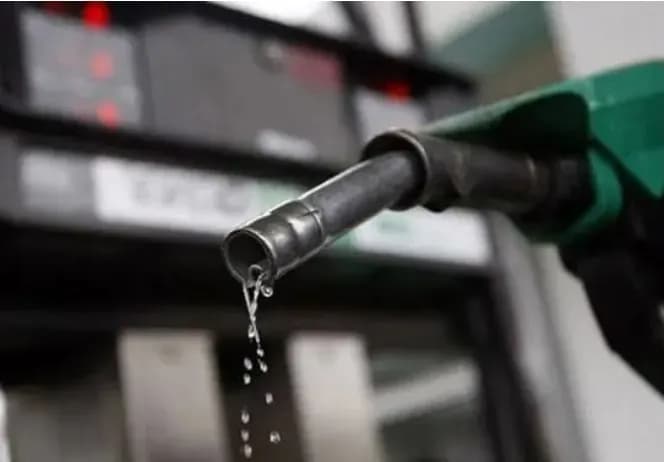
Rising tensions involving Iran and the wider Middle East have disrupted a significant share of global crude supply, pushing oil prices above $100 per barrel. For Nigerians, the impact is particularly tangible: higher petrol and diesel costs are straining household budgets and business operations, even as higher crude prices could bolster government revenues.
After recently increasing petrol prices to ₦1,175 per litre, Dangote Petroleum Refinery has cut its ex-depot price slightly to about ₦1,075 per litre, with diesel also seeing modest reductions. But the relief for the average Nigerian remains limited.
In an interview with Politics HQ on News Central Television, Muktar Mohamed, an economist, described the situation as “very dire.” He noted that the region in question controls over 20 per cent of the world’s oil supply and explained:
“If that crisis was restricted to Iran alone, maybe we wouldn’t have seen the kind of volatility and price we are seeing. But it looks like all the world OPEC nations that produce the highest volumes are under attack… So definitely, it’s a very challenging time for the world, especially in terms of the energy crisis.”
Mohamed emphasised that the crisis highlights how heavily nations rely on oil and why energy security is now a global priority.
Nick Agule, an energy expert, highlighted that Nigeria’s crude is sold in the global Brent basket, meaning international price swings directly affect domestic fuel costs:
“There is a simple law of economics that says the lower the supply, the higher the price. If 20 per cent of supply to the global market is cut off, that is bound to increase the price… Dangote Refinery is buying at that same price. The refineries are businesses, they are not charities. So immediately, they transfer the higher cost to consumers.”
Reflecting on local consequences, Olatide Jeremiah, CEO of PetroleumPrice.ng, pointed to the steep increases Nigerians have faced in the past week:
“Dangote refinery increased its diesel price from 880 to 1,620. That is a 63 per cent increase. And even having crude in its backyard, the price of oil can’t go down to its barest minimum… What we have done was to try to do the Naira-to-dollar deal, which has helped stabilise the price where it is today.”
Jeremiah also stressed the human impact of rising fuel costs:
“It’s so unfortunate that 80 per cent of Nigerians still live in abject poverty… Subsidies should be brought back and restructured....Petroleum products shouldn’t go beyond 300 Naira at the pump.”
Looking ahead
The combination of global supply shocks and domestic constraints means that Nigerians should not expect major relief at the pump in the short term.
Experts say that policy choices such as increasing crude allocation to domestic refineries, investing in local refining capacity, or restructuring subsidies could help stabilise prices in the medium to long term.