

Iran is moving to tighten its control over shipping through the Strait of Hormuz, with Tehran preparing to sign an agreement with Oman establishing a new maritime corridor that would require vessels to coordinate with Iranian authorities before entering the restricted zone.
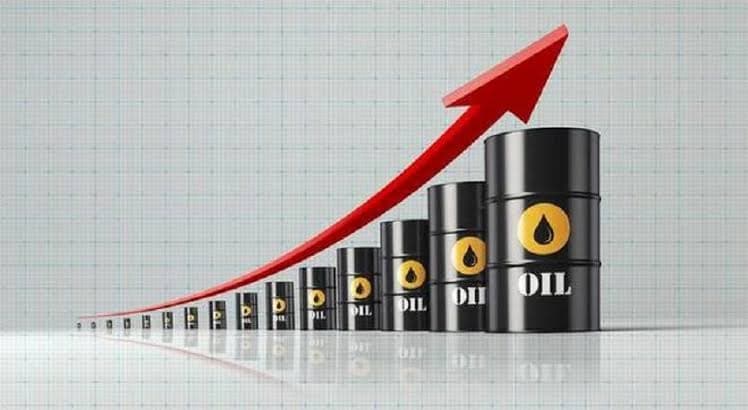
As at the time of writing, 05:27 am (WAT), Brent crude was trading at $97.58 per barrel, up 0.60 per cent, while WTI stood at $92.95, gaining 1.61 per cent, as markets continued to price in the growing risk to crude and tanker flows through the Gulf.
Iran’s Supreme National Security Council secretary, Mohsen Rezaei, said the proposed restricted zone would stretch from the US naval blockade line through the Strait of Hormuz and into the Persian Gulf. Vessels entering the zone without prior coordination with Tehran would be placed on Iran’s sanctions list.
The proposed arrangement follows weeks of negotiations between Iran and Oman over a temporary shipping corridor. While earlier proposals envisaged shared responsibility, the latest arrangement would see Iran manage the corridor with Oman. However, Lloyd’s List reported that the International Maritime Organisation had not received an official proposal from the two countries as of Monday.
Tensions have also intensified after US forces struck three Iranian oil tankers over the weekend, following Iran’s ballistic missile attacks on two US warships. Iranian forces have separately targeted commercial vessels that Tehran said used unauthorised routes through the waterway.
Traffic through the Strait of Hormuz has subsequently fallen to its lowest level since May, according to Reuters, adding to concerns over the availability and cost of crude supplies to major Asian refining markets. Iran maintains that the waterway remains closed and that unrestricted passage will not resume while US attacks and the naval blockade continue.
The situation carries direct implications for crude buyers and refiners because any further restriction on the world’s critical oil transit route could tighten physical supply, increase tanker and insurance costs and add a larger geopolitical premium to international crude prices. Goldman Sachs has warned that an expansion in attacks on commercial shipping could push crude prices as high as $120 per barrel.
For Nigeria, sustained increases in crude and freight costs could raise the replacement cost of imported petroleum products while also increasing feedstock costs for domestic refineries that depend on crude purchases. The pressure comes as the Nigerian downstream market is already dealing with elevated landing costs, with petrol at ₦1,314.67 per litre and AGO at ₦1,850.66 per litre, according to MEMAN.
The immediate market focus is therefore shifting beyond the level of crude prices to whether Iran’s proposed shipping arrangement with Oman can restore a meaningful volume of commercial traffic through Hormuz, or instead introduce another layer of control over one of the world’s most strategically important oil routes.