

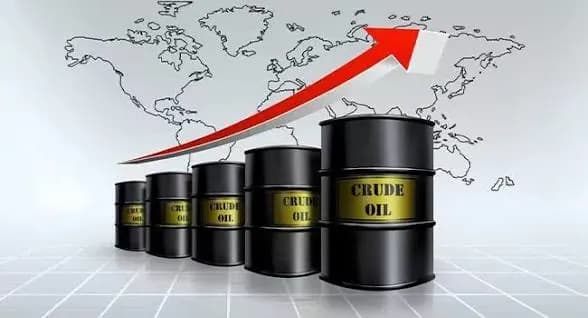
The global oil market is once again on edge and this time, the stakes feel much higher. What began as a regional conflict is rapidly evolving into a full-scale energy shock, with every escalation in the Middle East tightening supply and pushing prices upward. For consumers and economies alike, this is no longer just another price cycle; it is a warning that the balance holding global energy markets together is beginning to crack.
Analysts now warn that if the conflict persists through the end of March, oil prices could surge to $150 per barrel or more. What was once seen as an extreme projection is increasingly becoming a realistic scenario, as supply disruptions deepen and traders begin to price in prolonged instability.
The escalation has seen direct attacks on critical energy infrastructure across the Gulf. Iran’s retaliation following strikes on its South Pars gas field has extended to facilities in Qatar and Saudi Arabia, including reported damage at the Ras Laffan industrial complex, the world’s largest LNG hub. These developments point to a dangerous shift energy assets are now central targets in the conflict.
Equally concerning is the situation around the Strait of Hormuz, a vital route through which roughly a fifth of global oil supply passes. Any sustained disruption here would significantly tighten global supply, pushing prices even higher and amplifying volatility across markets.
For Nigeria, the implications are immediate and severe. While higher crude prices may boost government earnings, the downstream effect is rising petrol prices. With a deregulated market and a weak naira, global price increases are quickly transmitted to local pump prices, worsening the cost of living for ordinary Nigerians.
The outlook remains fragile. As long as tensions persist and supply routes remain under threat, the oil market will continue to trade on fear rather than fundamentals. For now, the path is clear prices are rising, and the risk of $150 oil is no longer distant, but increasingly within reach.