

Oilfield services companies operating in the Middle East are facing logistics expenses as high as three times their normal levels, alongside sharply rising fuel and labour costs, as the prolonged Iran war disrupts supply chains and energy project execution.
Executives at the ADIPEC energy conference in Abu Dhabi on Tuesday said the nine-month conflict has damaged infrastructure, prompted staff evacuations and complicated equipment movements through the Strait of Hormuz, increasing the financial burden on contractors.
Maire, an Italian engineering firm, has recorded logistics costs tripling on some Middle Eastern contracts, according to its Chief Executive, Alessandro Bernini. Labour expenses have also climbed by 30% to 40%, he said.
The additional costs are squeezing contractors’ margins and increasing the expense of completing energy projects. Bernini warned that the pressure would ultimately feed into higher energy prices and inflation.
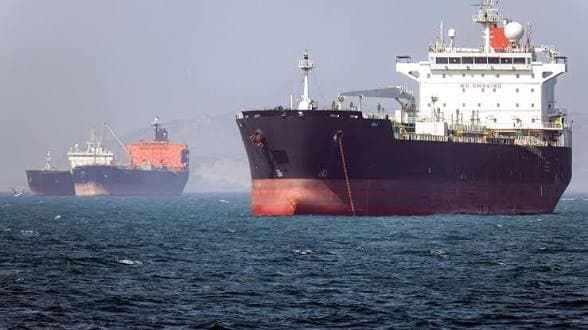
For Saipem, another Italian energy services company, the challenge has been transporting equipment through the region. Chief Executive Alessandro Puliti told the conference that the company had been waiting outside the Strait of Hormuz for months.
National Energy Services Reunited (NESR), which operates in Saudi Arabia, the United Arab Emirates, Kuwait, Oman and Iraq, has extended the time materials remain in storage to guard against supply disruptions. The strategy provides a buffer but adds costs that contractors are often unable to pass on to customers.
“You eat it most of the time,” NESR Chief Executive Sherif Foda said.
Recent financial results point to a mixed operating picture across the sector. SLB recorded a 9% quarter-on-quarter increase in third-quarter revenue from the Middle East and Asia, reaching $2.81 billion. However, revenue remained 6% below the level recorded a year earlier. The company said activity in the Middle East recovered during the quarter before fresh disruptions emerged in September.
Baker Hughes reported $1.26 billion in oilfield services revenue from the Middle East and Asia, a 13% annual decline partly attributed to a business divestiture.
Higher oil prices have supported additional drilling in some markets, creating new opportunities for service providers. However, the rising cost of equipment, personnel and transportation is making that work more expensive to deliver.
Contractors now face the challenge of absorbing these higher expenses or negotiating with customers to recover them while continuing to fulfill existing project commitments.