

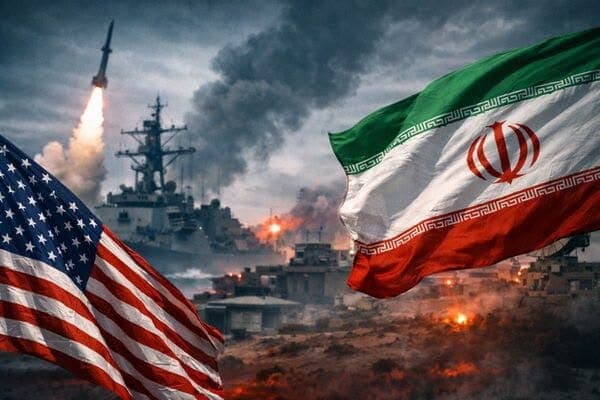
Iran has warned that it will respond immediately to any US threat against its energy infrastructure, raising concerns over further disruptions to global oil supplies as tensions between Washington and Tehran continue to threaten energy security.
Iran’s acting Oil Minister, Hamid Bovard, said Tehran would take retaliatory measures against any threats to the country’s energy facilities, according to a report by Al Jazeera on Friday, October 16, 2026.
“The war that the United States started by ignoring international norms has affected the energy sector globally,” Bovard said.
“We will take precise and appropriate retaliatory measures at the right time to counter enemy threats,” he added.
The warning signals the potential for further escalation in a conflict already placing pressure on energy markets, with oil traders closely monitoring the security of production facilities, export terminals and shipping routes across the Middle East.
Any attack on Iranian energy infrastructure could threaten crude production or exports, depending on the facilities targeted and the extent of the damage. A retaliatory strike against energy assets elsewhere in the region could also widen the disruption, putting additional pressure on global supply and increasing volatility in crude oil prices.
The Strait of Hormuz remains a critical concern for the international oil market because of its importance to crude oil and petroleum product shipments from the Persian Gulf. Prolonged disruption to shipping through the corridor could restrict exports from major regional producers, tighten global supply and increase transportation and insurance costs.
For Nigeria, renewed escalation could provide some support for crude oil prices and export earnings if international supplies tighten. However, higher prices would not automatically translate into increased government revenue, as the outcome would also depend on domestic production, export volumes, operating costs and fiscal arrangements.
The downstream sector could face a different set of pressures. Higher international crude prices, rising freight charges and increased insurance premiums could raise the cost of imported petroleum products, potentially putting additional pressure on domestic fuel prices.
The extent of the impact will depend on whether the latest warning leads to further military action, whether energy infrastructure becomes a direct target and how the conflict affects physical oil shipments.
With Tehran threatening retaliation against any US threat to its energy facilities, developments in the conflict remain a key factor for oil market participants assessing supply risks and the outlook for international crude prices.