

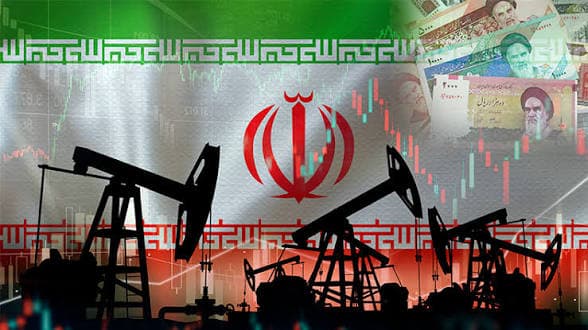
Iran’s crude oil held in floating storage has plunged to just 866,000 barrels as the United States’ naval blockade restricts shipments, raising concerns about further pressure on global oil supplies and intensifying the economic strain on Tehran.
Data from energy intelligence firm Kpler, cited by The Wall Street Journal, showed that Iran’s floating oil inventories had dwindled by mid-October, leaving the country with virtually no stored crude available for delivery to China.
“There’s no more oil to discharge to China anymore,” Homayoun Falakshahi, Kpler’s head of crude oil analysis, said, according to the newspaper.
Before Washington imposed its blockade on Iranian ports in April, Iran had nearly 150 million barrels of crude in floating storage, according to the report. The volume fell to below 50 million barrels by mid-June, when the United States lifted the blockade following a ceasefire agreement with Tehran.
The truce subsequently collapsed in mid-July as hostilities resumed, prompting Washington to reinstate the blockade. By mid-October, the volume of Iranian oil held in floating storage had fallen to 866,000 barrels, according to Kpler’s data.
Falakshahi said the U.S. strategy appeared aimed at forcing Iran back to negotiations over a nuclear agreement or triggering domestic protests that could challenge the government’s ability to maintain control.
However, the economic pressure is creating difficulties beyond Iran. Fuel prices remain exceptionally high, particularly diesel, while U.S. President Donald Trump faces declining approval ratings ahead of the November midterm elections.
The rising cost of energy has also increased the financial burden on American households. Moody’s estimated earlier this month that the Iran war had cost U.S. households a combined $265 billion, according to a report cited by Yahoo Finance.
Tehran, meanwhile, has rejected suggestions that its economy is nearing collapse. Iran’s central bank governor argued that the country had demonstrated considerable resilience despite the pressure.
“The Iranian economy has demonstrated very good resilience, and the claim that Iran’s economy is collapsing is nothing more than an illusion,” the governor said, as quoted by The Wall Street Journal.
Diplomatic efforts to end the conflict also remain uncertain. Iran’s president and foreign minister signalled this week that they did not trust Washington, raising further questions about the prospects for meaningful negotiations.
The depletion of floating inventories highlights the impact of the blockade on Iran’s ability to maintain oil shipments using stored cargoes. However, the available figures do not establish that Iran has exhausted all its oil reserves or that its overall crude production has stopped.
The continuing confrontation leaves global oil markets exposed to further supply disruptions, while the economic consequences are weighing on both Iran and the United States.