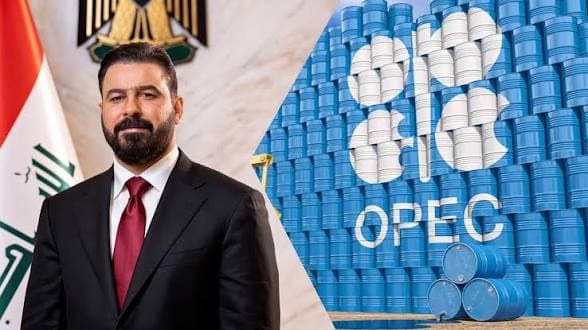
Iraq is pressing OPEC+ to recognise a higher production capacity of six million barrels per day (bpd), a move that could strengthen its case for a larger oil output allocation as the group prepares to determine production policy for 2027.
Oil Minister Basim Mohammed Khudair said on Friday that Baghdad was negotiating with the organisation for permission to increase production, arguing that a higher quota was necessary to support investment in the country's energy infrastructure.
The request comes ahead of Sunday's OPEC+ meetings, although Iraq faces an uphill task in securing the increase it is seeking.
Three sources told Reuters that members of the wider OPEC+ alliance had reached an understanding in principle to maintain existing production quotas during the first quarter of 2027. The arrangement has not been formally approved, while disagreements remain over the production capacity figures that will guide future quota allocations.
Iraq currently has an OPEC production quota of 4.431 million bpd. Baghdad wants future allocations to reflect its claimed capacity of six million bpd, which would give it greater room to increase output.
However, an independent agency engaged by OPEC+ has assessed Iraq's production capacity at approximately 4.9 million bpd, significantly below the figure being advanced by the Iraqi government.
The difference could weaken Baghdad's negotiating position and limit the size of any increase it secures under the group's production framework.
Iraq's demand for a higher allocation also comes amid reported efforts by the United States to persuade the country to withdraw from OPEC.
Reuters reported on Friday that U.S. officials had encouraged Baghdad earlier this year to consider leaving the organisation. The possibility was reportedly raised by Iraq's prime minister during a government meeting, but the Oil Ministry opposed withdrawal and favoured pursuing a larger production quota through negotiations.
The U.S. State Department, however, said its discussions with Iraq centred on energy infrastructure rather than the country's OPEC membership.
Venezuela was also reportedly encouraged by Washington to leave the organisation. However, the South American producer is currently exempt from OPEC production quotas, meaning withdrawal would not immediately remove any existing production restrictions.
The United Arab Emirates offers a recent precedent for a major producer leaving the organisation. The UAE withdrew from OPEC in May after years of disagreements over production limits and its allocation.
Iraq has previously threatened to follow a similar path, while its current push for a higher quota highlights the tensions between members seeking greater production flexibility and the group's efforts to coordinate supply.
A possible departure by Iraq or Venezuela would further reduce OPEC's membership and could weaken the wider OPEC+ alliance's influence over global oil supply, particularly if another major producer follows the UAE's exit.