

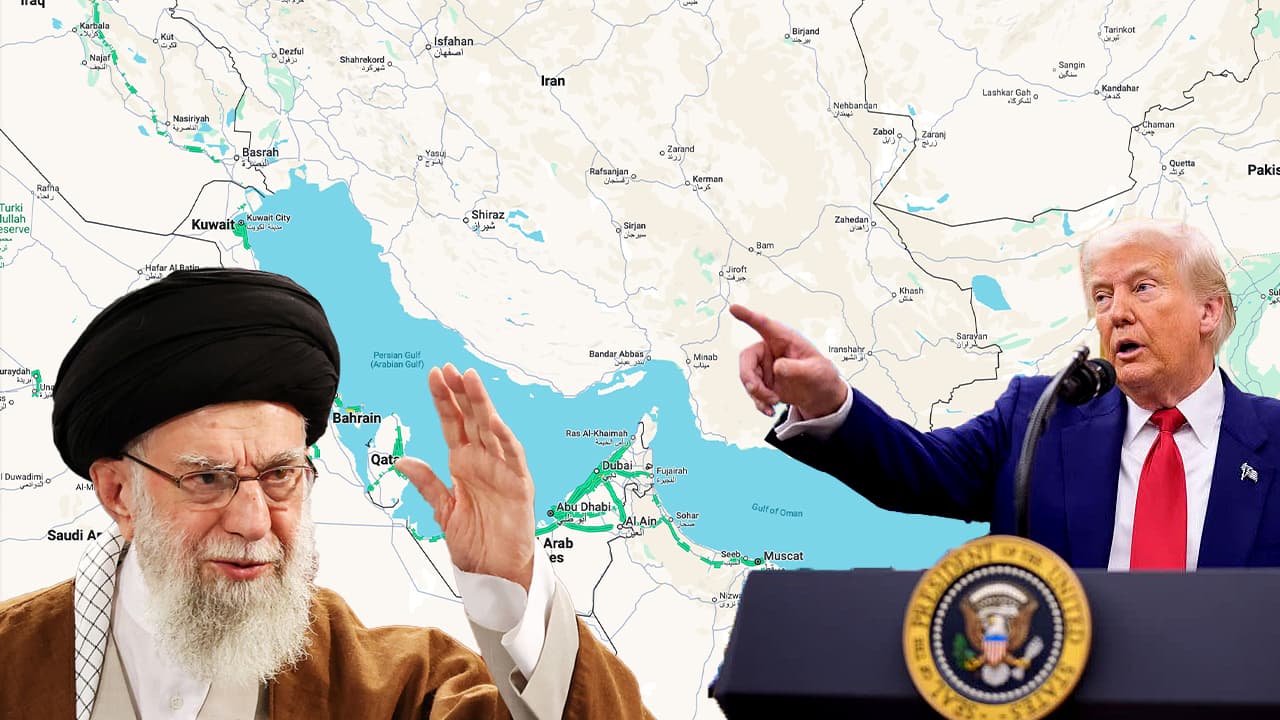
Iran has ruled out reopening the Strait of Hormuz until its demands are met and the United States fulfils its commitments, while warning that any fresh large-scale attack by Washington and its allies would trigger further retaliation.
Iranian Parliament Speaker Mohammad Bagher Ghalibaf said Tehran had communicated its position and conditions through intermediaries, stressing that the country would not return to previous negotiating arrangements until its demands were addressed.
Ghalibaf said Iran must combine military action with diplomacy, using its military capabilities to push back against its adversaries while pursuing negotiations when conditions are considered favourable.
He also said Iran’s legitimate rights must be formally recognised and US commitments implemented before Tehran would consider reopening the strategic waterway or returning to the previous framework for negotiations.
The warning comes amid renewed concerns in Tehran that the United States and its allies could be preparing another major military operation against Iran. Iranian officials said they had received information indicating that a new attack was being planned and warned that any such action would attract a severe response.
Iran’s security officials have also outlined conditions for a return to negotiations with Washington. The demands include an end to the war across all fronts, the release of Iranian funds that have been frozen and an end to the US naval blockade of Iranian ports.
Tehran has additionally demanded an end to US attacks on Iranian territory, interference in Iran’s internal affairs and cooperation with groups described by Iranian officials as opponents of the Islamic Republic.
The conditions were conveyed to Washington through intermediaries, according to Iranian officials, as diplomatic efforts continue alongside the military confrontation.
Ghalibaf said Tehran’s diplomatic position was clear and that Iran would not accept what it described as unilateral pressure or attempts to impose terms through force.
The Strait of Hormuz remains a central point of tension because of its importance to global energy shipments. Iran’s decision to keep the waterway closed has added to disruption across regional oil and shipping markets.
Elsewhere in the region, a Saudi-led coalition fighting Yemen’s Houthis said it intercepted a ballistic missile targeting Riyadh and prevented other attacks aimed at Bish, Taif, Farasan and Yanbu.
The latest developments add another layer to the wider regional conflict, with attacks involving Iran, the Houthis and Saudi Arabia increasing pressure on key energy and maritime routes.
The conflict has also been accompanied by renewed violence in the occupied West Bank.
An Israeli settler was fatally shot in an attack near an Israeli settlement, while Palestinian officials reported the killing of a Palestinian by Israeli forces during an alleged car-ramming incident involving occupation soldiers.
The developments come as diplomatic efforts seek to prevent further escalation, with Tehran maintaining that military pressure will not force it to abandon its stated conditions for negotiations.
Iran has continued to signal that it is prepared to engage diplomatically while maintaining its military response, leaving the reopening of the Strait of Hormuz tied to the fulfilment of its demands and commitments it says Washington must honour.