

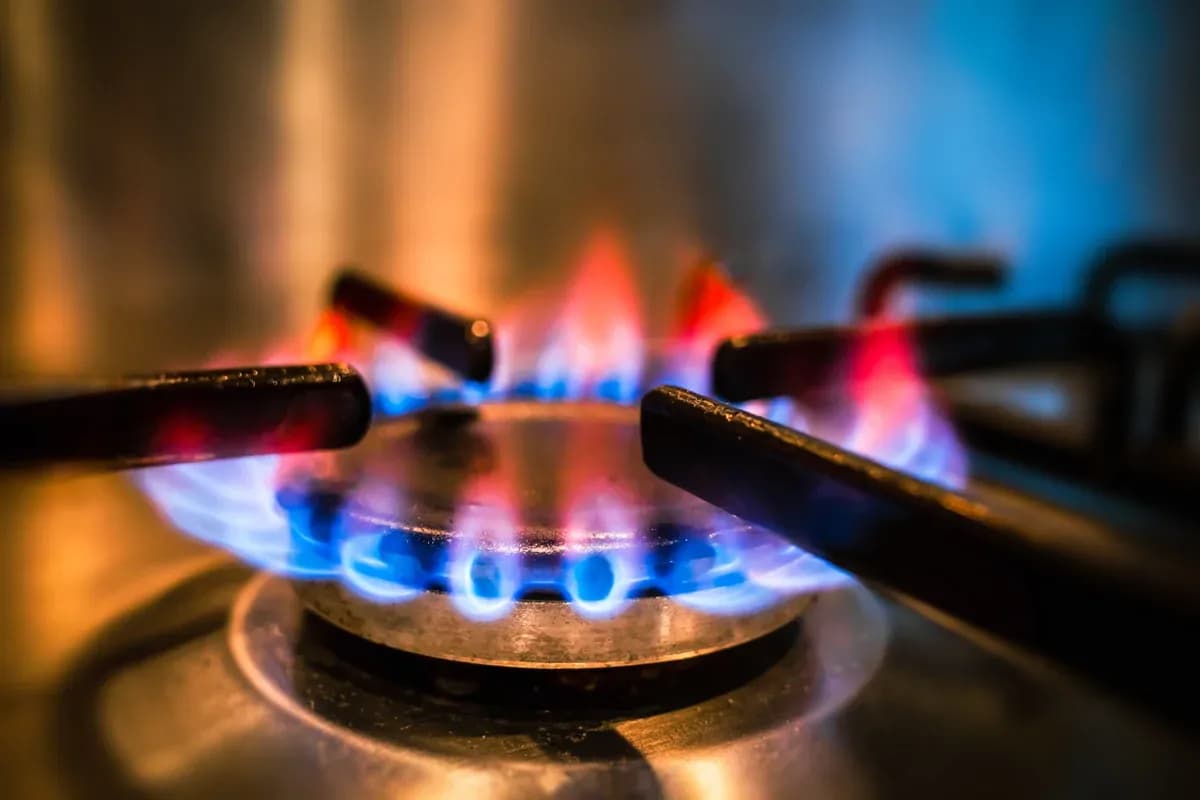
With liquefied petroleum gas (LPG) now powering millions of Nigerian kitchens, safety lapses are becoming deadly. A rise in explosions across Lagos, Rivers, and other states has intensified calls for urgent education, particularly among children, who are often present in households where gas is used daily.
Industry experts warn that while LPG adoption reduces the respiratory dangers of firewood and charcoal, poor handling and lack of awareness have left families vulnerable. Recent data show gas-related incidents account for up to 14.1% of burn cases in Lagos hospitals. Nationwide, serial blasts in 2024 and early 2025 have underscored the consequences of neglecting safety protocols. The House of Representatives even demanded urgent action after a January 4, 2025 Port Harcourt explosion that injured multiple families.
Against this backdrop, safety advocates are urging parents, schools, and community groups to integrate LPG safety education for children into both households and curricula.
Why Children Must Be Involved
Children are naturally curious and often near kitchens where gas is in use. According to Dr. Fatima Ahmed of the Nigerian Safety Council, teaching them early fosters both self-protection and shared responsibility. She notes that children can act as “safety reminders” in households where adults overlook critical practices.
Switching to LPG already benefits child health by reducing exposure to smoke-related illnesses, but it carries new risks without proper awareness. Making children part of the safety process, experts argue, ensures long-term cultural change.
Practical Ways to Teach Responsibility
- Start with the Basics
For children between five and eight years, introduce gas as an invisible but powerful helper. Teach them to recognise the distinctive rotten-egg odour of leaks. Use child-friendly analogies such as “gas is a genie that must stay inside until needed.” Stress that gas knobs, cylinders, and matches are not toys. - Hands-On Kitchen Habits
Older children (nine to twelve years) can take supervised roles. Parents can assign them “Safety Ranger” duties to check stove knobs, ensure cylinders stand upright, and confirm they are stored away from heat sources. This transforms safety into a game while reinforcing discipline. - Emergency Readiness
Families should practise mock drills for leak scenarios opening windows, avoiding switches, and evacuating calmly before contacting emergency hotlines like 112. Schools can integrate LPG safety sessions into extracurricular programmes, mirroring global best practices that combine cooking skills with hazard awareness. - Community and Market Safeguards
Parents must source gas from licensed dealers and insist on periodic cylinder inspections. Children should be kept away from refilling sites, where unsafe practices remain common. Regulatory bodies are also tasked with tackling counterfeit cylinders that continue to flood Nigerian markets.
Local Experiences and Success Stories
Mrs. Ngozi Okoro, a mother in Ikeja, recalls how a leaking hose incident transformed her family’s approach: “My children now remind me to turn off the gas every night. They see it as their duty.” Her experience reflects a growing trend where households empower children as active participants in safety.
However, challenges persist. In rural communities, awareness is low, and enforcement against substandard cylinders remains weak. Without stronger oversight, progress could stall even as LPG adoption accelerates nationwide.
Embedding Safety in Nigeria’s Energy Transition
Nigeria’s LPG expansion forms a central pillar of its energy transition strategy, reducing deforestation and cutting health risks tied to biomass fuels. Yet, wider adoption without parallel safety education risks compounding tragedies. Experts stress that embedding LPG safety training in both schools and homes is no longer optional it is essential.

A generation raised on safe practices will not only reduce accidents but also shape a responsible consumer culture. In the words of safety advocates, “a safe kitchen today ensures a secure tomorrow.”