

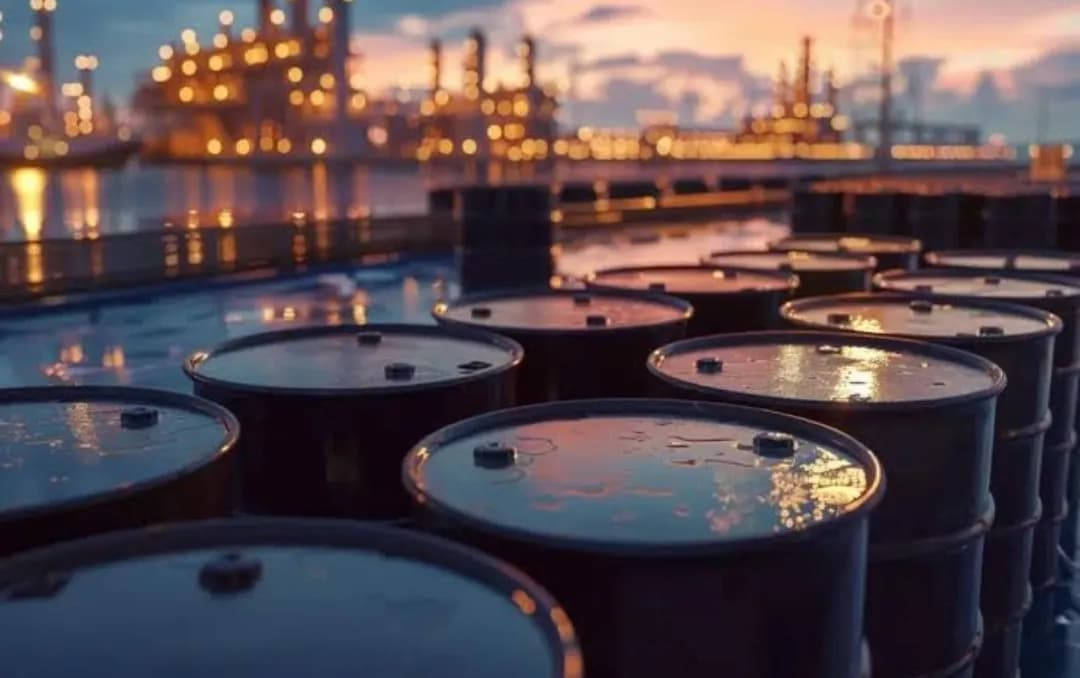
The year 2024 has been pivotal for Nigeria’s oil and gas industry, with significant developments and persistent challenges. From refinery inaugurations to bold policy reforms, the sector has seen dynamic changes, positioning itself for future growth amidst longstanding issues.
Major Developments and Milestones
1. Dangote Refinery Comes Online
One of the year’s most significant milestones was the full commencement of the Dangote Refinery. This development has been hailed as a game changer for a country that has long relied on imported fuel. The refinery’s commencement marks a shift towards self-sufficiency in fuel production.
2. Declaration of a State of Emergency on Oil Production
In response to declining output and rising operational challenges, the Nigerian National Petroleum Company (NNPC) declared a “state of emergency” on oil production. Although this move underscores the urgency of addressing industry woes, experts have expressed doubts about its effectiveness. As Femi Ola, Principal Partner at Agents of Partners, stated, “NNPC does not have the capacity to declare war on industry challenges; this is government work”.
3. Crude for Naira Scheme
Launched in October 2024, the Crude for Naira initiative aimed to stabilise foreign exchange reserves. However, implementation challenges have raised questions about its impact on the economy and industry stakeholders.
4. Marginal Field Bid Rounds
Bid rounds for marginal fields have also been a highlight, providing opportunities for local operators to invest in Nigeria’s upstream sector. However, concerns remain about the effectiveness and transparency of these processes.
Challenges Facing the Sector
Despite these positive strides, the industry continues to grapple with significant hurdles:
1. Crude Oil Theft and Pipeline Vandalism
Oil theft and sabotage of pipelines remain critical issues, leading to substantial production losses. Recent incidents, such as damage to Chevron’s pipeline in Delta State, highlight the need for improved security measures.
2. Underinvestment
For over two decades, Nigeria’s oil and gas sector has suffered from chronic underinvestment. This lack of capital has hindered infrastructure upgrades and limited the country’s ability to meet its Organisation of Petroleum Exporting Countries (OPEC) quotas. Addressing this gap requires fiscal incentives and support from the financial sector.
3. Regulatory and Policy Challenges
While the Petroleum Industry Act (PIA) has provided a clearer policy framework, regulatory delays and bureaucratic hurdles continue to impede progress. Ensuring timely implementation of policies is crucial for fostering investor confidence.
The Role of Fiscal Reforms
Recent tax reforms and proposed fiscal adjustments have been a double-edged sword for the industry. On the one hand, they promise improved transparency and revenue generation; on the other, they could deter investment if not carefully balanced. According to Oladeng, the upcoming 2025 Finance Act may offer clarity and encourage further investments.
Looking Ahead: What Needs to Be Done?
Experts suggest a multi-pronged approach to revitalise the sector:
- Enhanced Security Measures: Addressing pipeline vandalism and theft through technology and local community engagement.
- Incentivising Investments: Offering fiscal incentives to attract both local and international investors.
- Infrastructure Upgrades: Revamping aging infrastructure to boost production capacity.
- Transparent Governance: Improving communication and public trust in NNPC through consistent and accurate reporting.
As Nigeria navigates 2024, the oil and gas sector stands at a crossroads. While significant progress has been made, overcoming the industry’s challenges will require strategic investments, effective governance, and a supportive regulatory environment. With the right policies and actions, Nigeria can unlock the full potential of its oil and gas resources, ensuring long-term energy security and economic prosperity.